
Minnesotans are asleep at the wheel

A study released Thursday by the Center for Disease Control and Prevention found 3.1 percent of motorists in the state have dozed off while driving.

January 7, 2013 at 11:37AM
(The Minnesota Star Tribune)

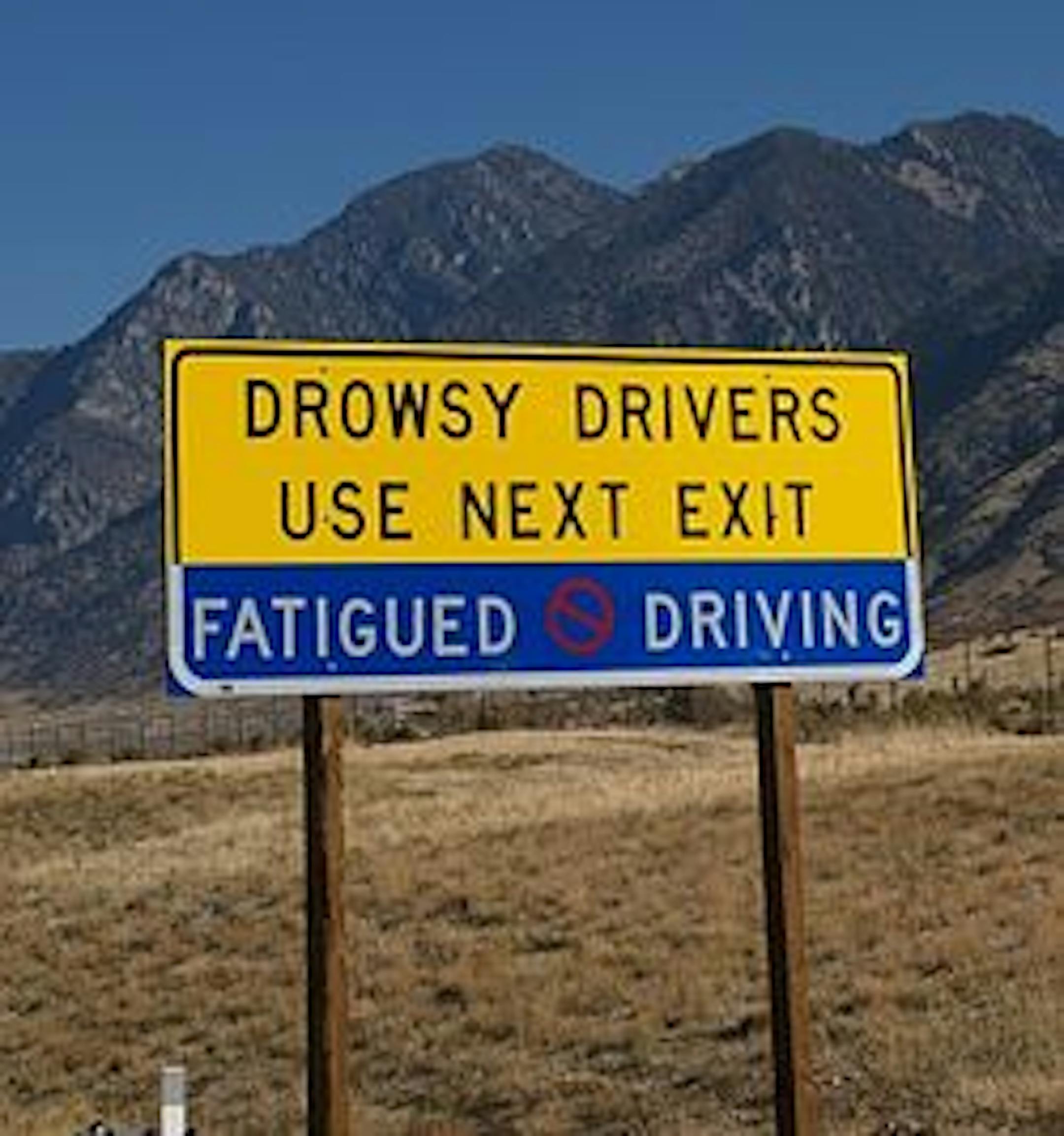
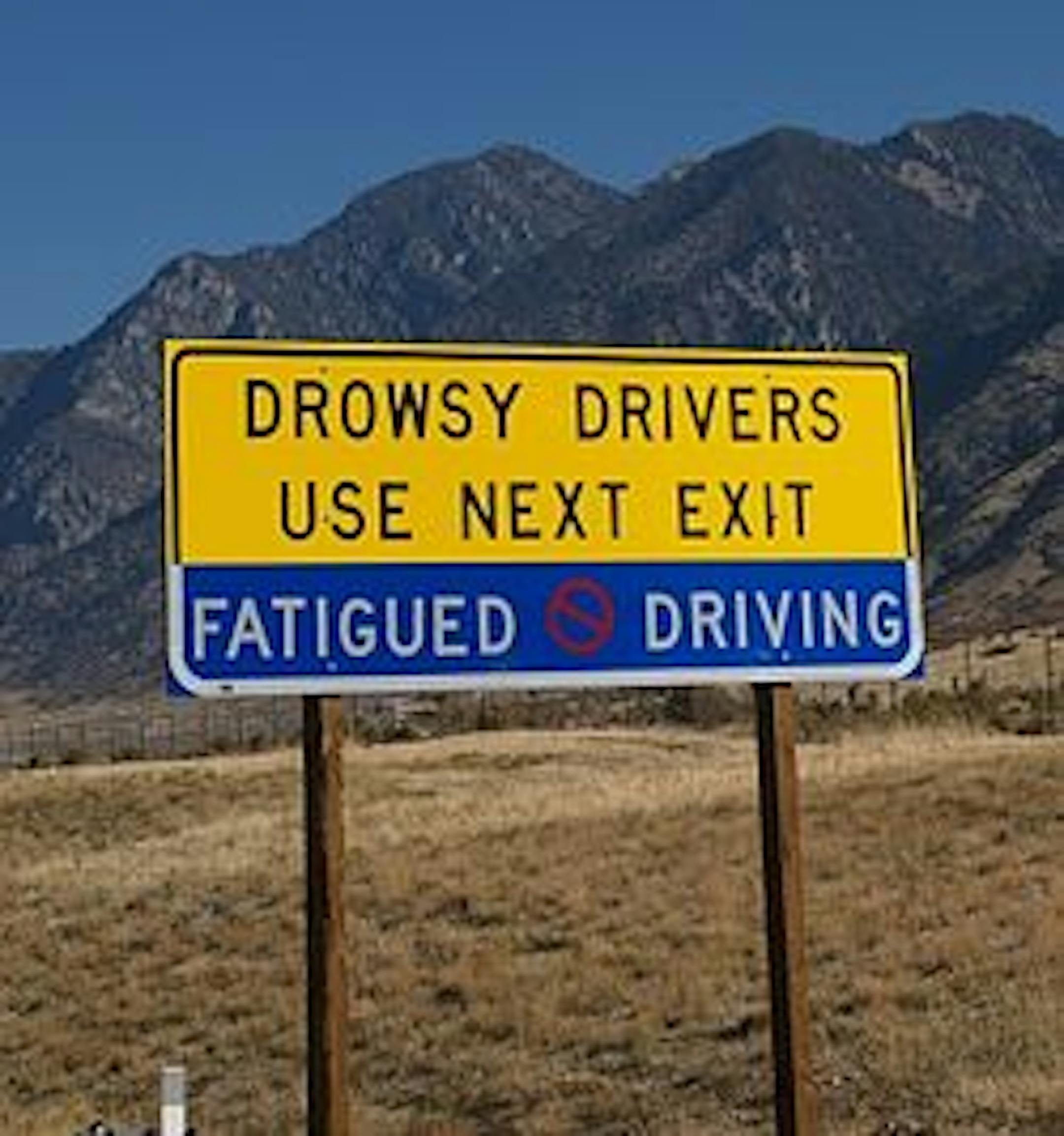
On a recent trip to Utah, I was driving along Interstate 15 when I came upon a sign that read "Drowsy Drivers Use Next Exit" and a warning about fatigued driving.

Perhaps signs such as that one would be a helpful reminder to Minnesota drivers where a recent survey by the National Highway Traffic Safety Administration (NHTSA) for Disease Control and Prevention found that 3.1 percent of the state's drivers admitted to have fallen asleep while driving in the past 30 days.

Nationally, 4.2 percent of the 147,000 drivers surveyed in 19 states and the District of Columbia said they had taken a snooze while they were behind the wheel at least once in the past month, according to a report issued Thursday by the Center for Disease Control and Prevention.

And those numbers are probably much higher since many drivers often are unaware that had closed their eyes, even if only momentarily, the report's authors said.

The study found that 2.5 percent of fatal crashes and 2 percent of crashes with nonfatal injuries involve drowsy drivers, but other studies estimate that the numbers are much higher, with one study estimating 15 to 30 percent of fatal crashes involved sleepy drivers.

In its estimates, NHTSA said 100,000 police-reported crashes are the direct result of driver fatigue. Those crashes led to 1,550 deaths, 71,000 injuries and $12.5 billion in monetary loses.

"Those figures might be the tip of the iceberg since currently it is difficult to attribute crashes to sleepiness," the transportation agency said.

Drowsiness slows reaction time, makes drivers less attentive and impairs decision-making skills, which can contribute to crashes, the CDC said.

Sleep-deprived motorists are more likely to be involved in a wreck at night or mid-afternoon when they are most likely to be tired, the CDC report said. Often crashes involve only a single driver going off the road, but they also make up a disproportionate number of rear-end and head-on collisions, the CDC said.

The study found that men were more likely than women to drive while tired. Drivers between 25 and 34 along with those who said they got 6 or fewer hours of sleep at night were more likely to doze off while driving than older drivers and those who got 8 hours of sleep a night.

People who unintentionally fell asleep during the day or snored at night are more likely to doze off while driving than those who don't exhibit those characteristics, the report said.

Work schedules also play a factor. Night workers and those who have long or rotating shifts were apt to struggle to keep their eyes open than those who work normal daytime schedules, the CDC said.

Often drivers are unaware they are driving while sleepy. Signs include frequent yawning or blinking, difficulty in remembering the past few exits or miles driven, missing turns, drifting from lane to lane or hitting a rumble strip. Those who are aware might try to combat the fatigue by opening a window, cranking the air conditioner or turning up the radio. Those tactics are generally ineffective, the CDC said.

about the writer

about the writer

Tim Harlow

Reporter

Tim Harlow covers traffic and transportation issues in the Minneapolis-St. Paul area, and likes to get out of the office, even during rush hour. He also covers the suburbs in northern Hennepin and all of Anoka counties, plus breaking news and weather.

See Moreicon

More from No Section

See More
FILE -- A rent deposit slot at an apartment complex in Tucker, Ga., on July 21, 2020. As an eviction crisis has seemed increasingly likely this summer, everyone in the housing market has made the same plea to Washington: Send money — lots of it — that would keep renters in their homes and landlords afloat. (Melissa Golden/The New York Times) ORG XMIT: XNYT58
Melissa Golden/The New York Times

It’s too soon to tell how much the immigration crackdown is to blame.