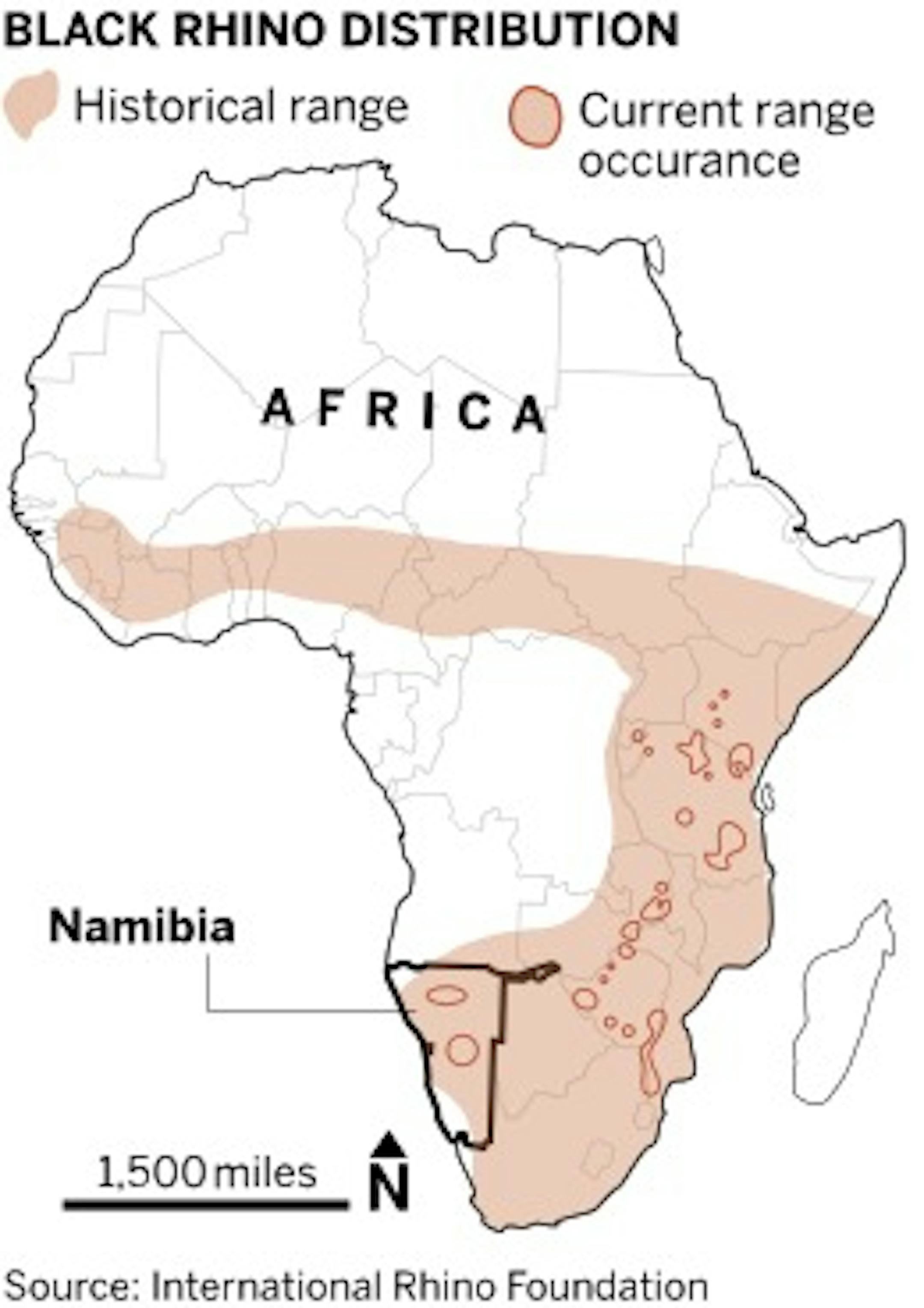
An effort funded by the Minnesota Zoo to save endangered black rhinos in southern Africa is showing unprecedented results, going nearly two years without a poaching incident and recently marking the birth of 17 calves.
"We've been really excited about what's happening," said Seth Stapleton, the zoo's field conservation director. "It's one of those stories we love to tout because it's a nice, refreshing success story."
Many zoos fund international conservation programs, but the Minnesota Zoo's rhino program — now in its 10th year — is unusual, officials said. It funds a full-time biologist in Africa, while the more common model is for zoos to fund another organization's conservation work, Stapleton said.
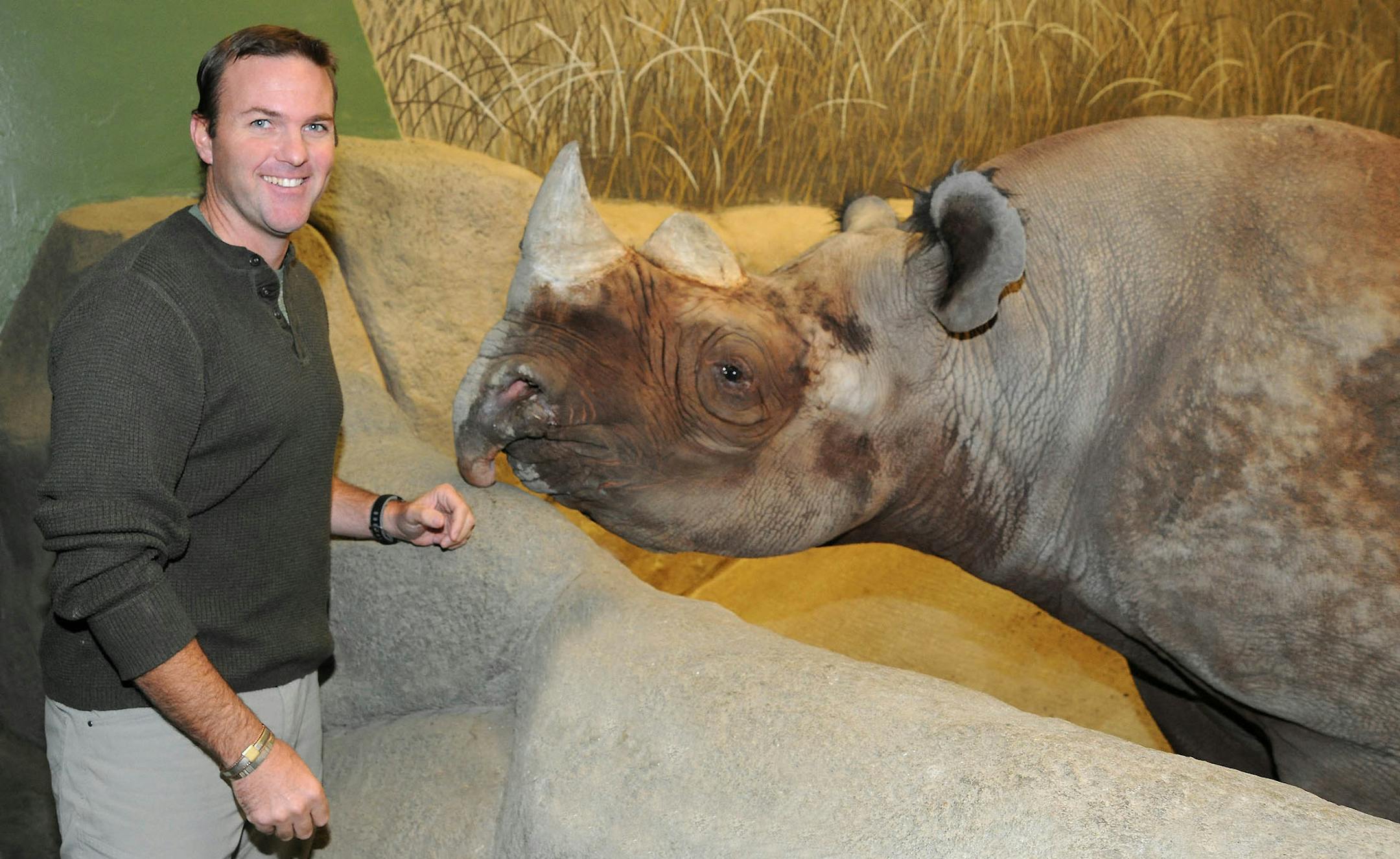
Jeff Muntifering, the Minnesota Zoo's Namibia-based conservation biologist, said some of the rhino program's recent success is due to Mother Nature. The 17 baby rhinos were born only after a historic drought recently ended, which had kept rhinos from reproducing for nearly two years.
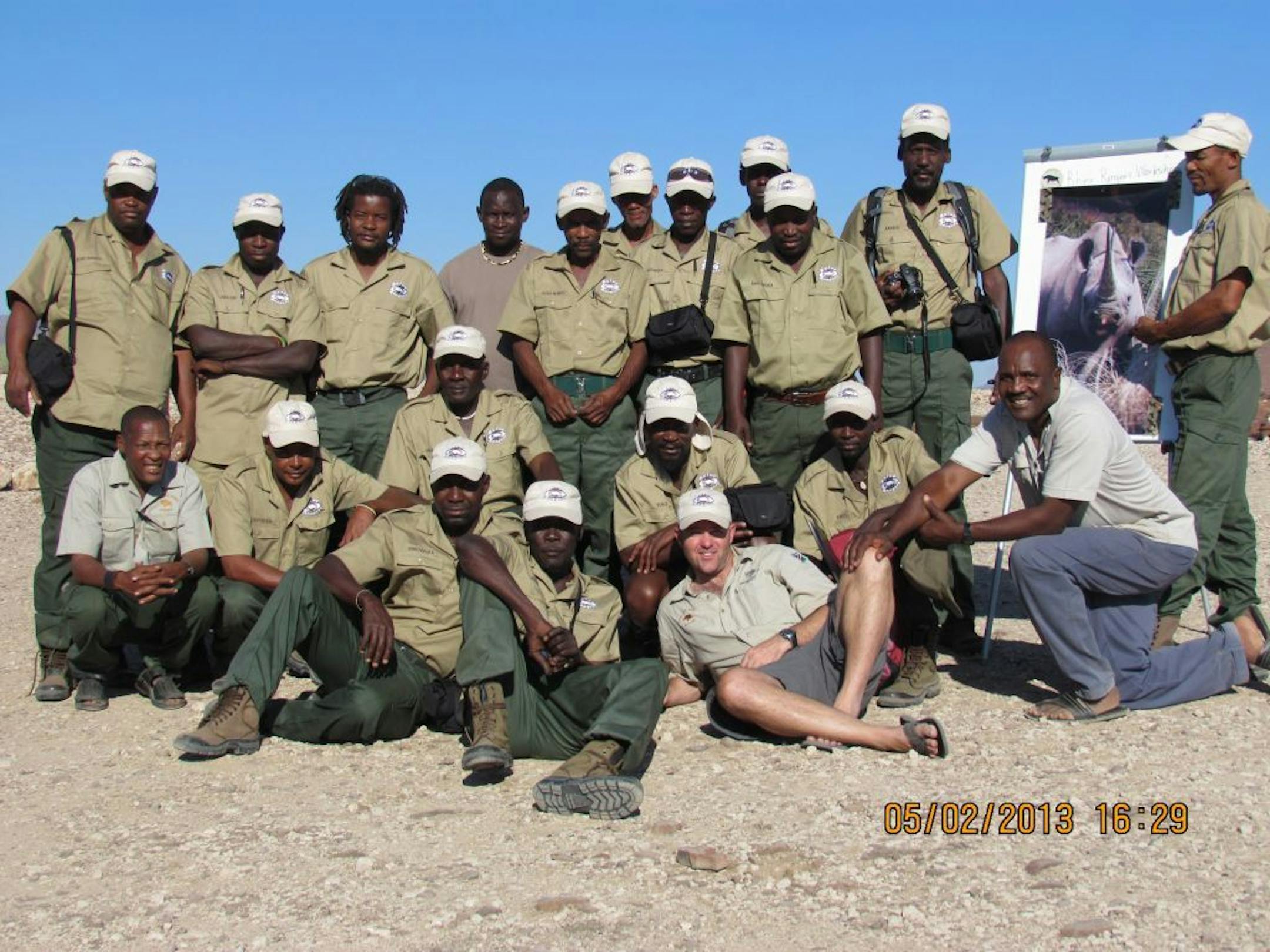
But the other victory, a dramatic reduction in poaching, comes largely from the program's community-centered philosophy, Muntifering said. He, along with several groups, work with local residents to ensure that live rhinos are more valued than dead ones.
"What we try and do is support them by creating this almost impenetrable buffer area around the rhinos where local people simply will not tolerate poachers," Muntifering said during a recent visit to Minnesota.
The community-based initiatives are working, he said. Since 2017, locals have turned in 18 suspected rhino poachers.
A zoo's effort to promote a particular species typically is tied to a zoo exhibit, said Matt Brown, the Nature Conservancy's Africa director, pointing to the Denver Zoo and its focus on Grevy's zebras.