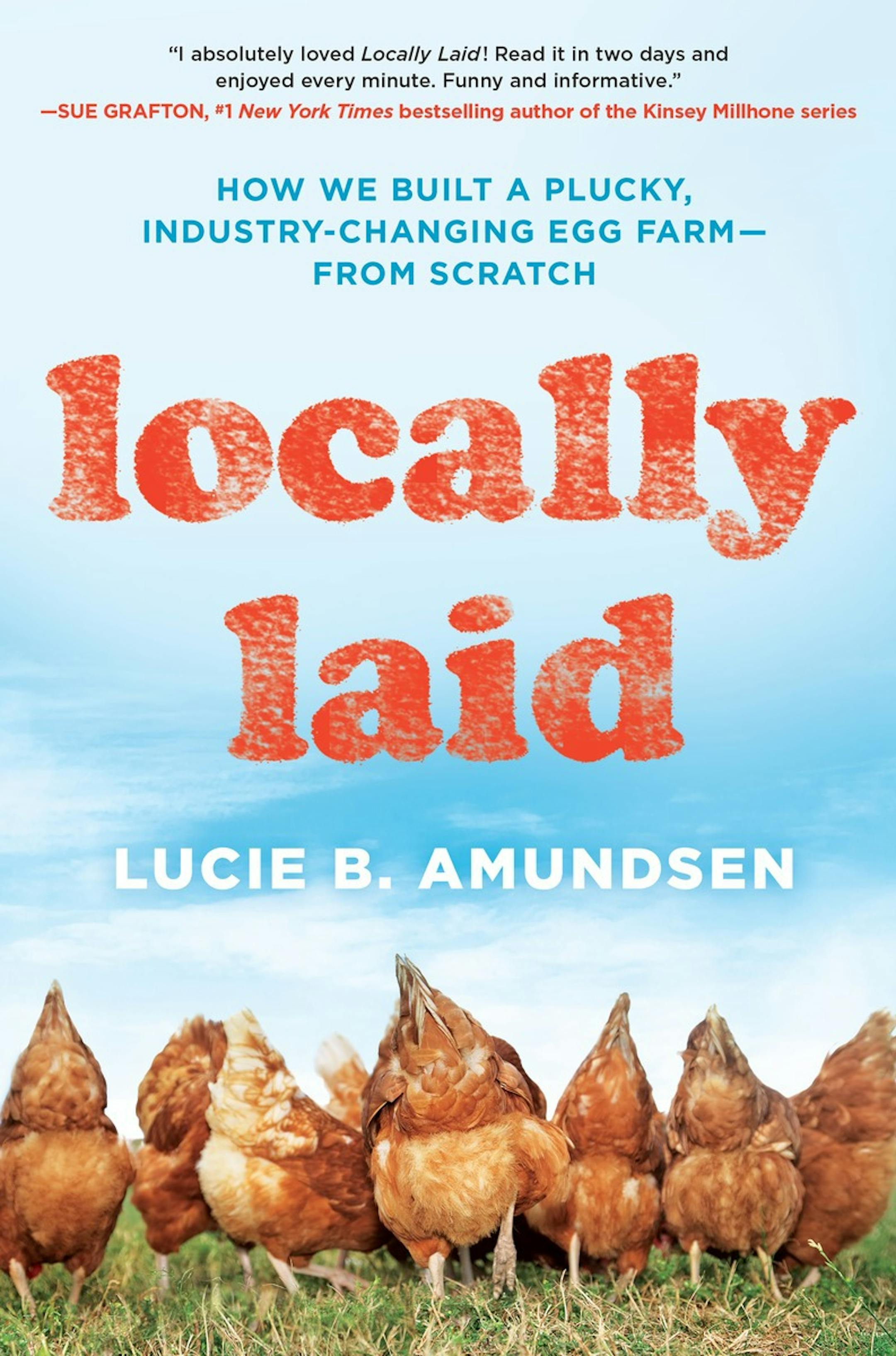
Long before he ever thought about starting a chicken farm, Jason Amundsen's nickname for his wife, Lucie, was "Bird."
In the literary world, that's what's known as foreshadowing.
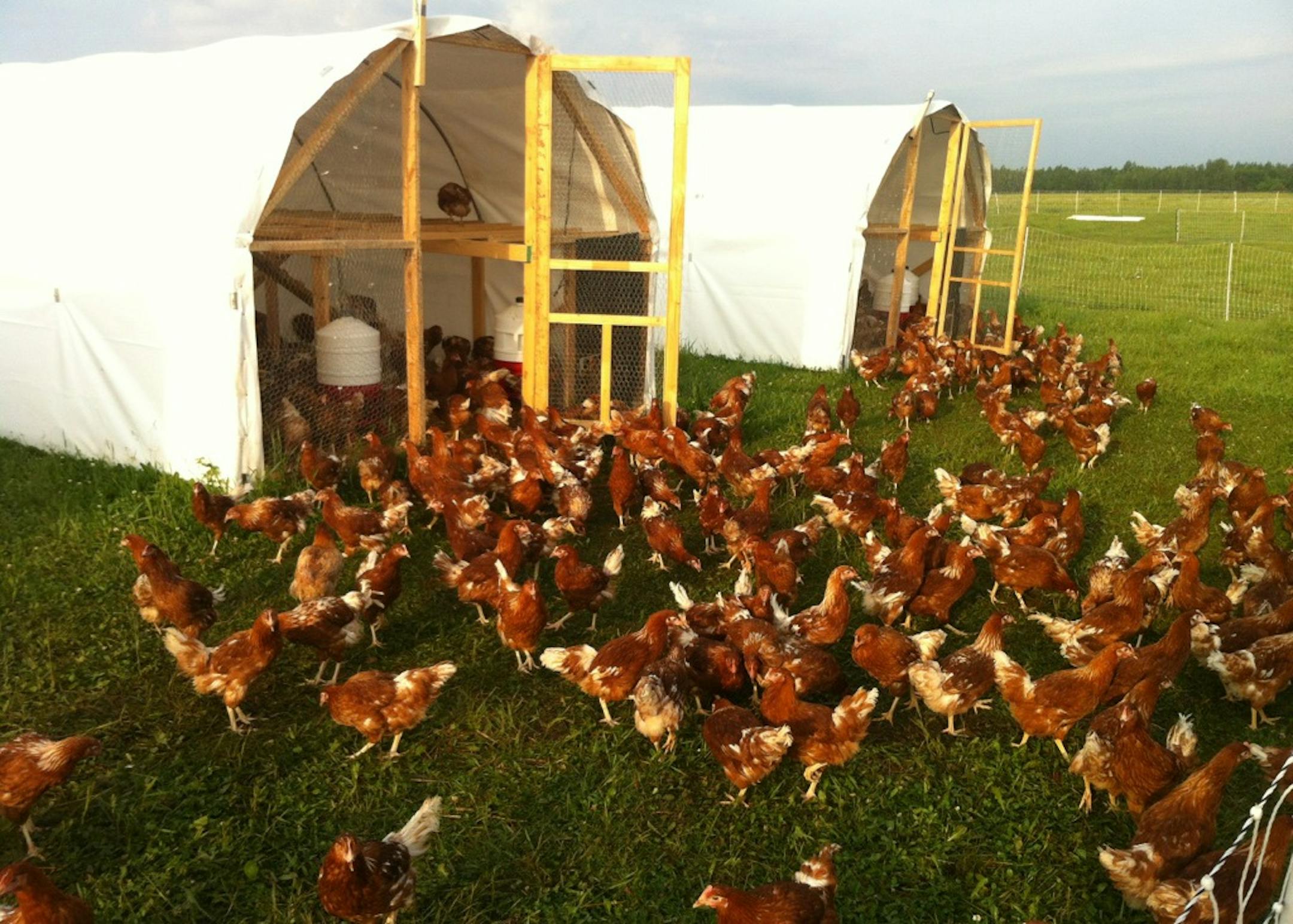
The couple's four-year-old northern Minnesota farm, cheekily called Locally Laid, is based upon the radical notion that allowing chickens to behave like chickens — roaming in the sunshine and fresh air, finding nourishment in grass and insects — will yield better tasting, better-for-you eggs.
Lucie vividly chronicles the farm's well-earned highs — alongside its backbreaking lows — in her enlightening and entertaining new memoir, "Locally Laid: How We Built a Plucky, Industry-Changing Egg Farm — From Scratch" (Avery/Penguin Random House, $26), which hits bookstores this week.
Q: Cage-free seems to be the egg world's buzzword du jour. Yet Locally Laid's eggs are pasture-raised. What's the difference?
A: Pasture-raised has no federal definition, or a state one. But for us, it means getting the chickens outside, and when it's the right season, they're rotated through fenced-in paddocks, so they're always eating fresh grass.
Cage-free is indeed better than an egg from a confined chicken, and everyone has seen sad photos of hapless poultry in crates smaller than a piece of printer paper.
But cage-free is thousands of birds in a warehouse. The chickens never go outside. It's a bit like they live in a casino. They never know what time it is — based on the sun — and they don't know what season it is, so they don't go into natural molt.