
Opinion | A solstice meditation for a year that asked too much of us

Some of us need stillness before we can offer warmth.

December 21, 2025 at 10:58AM
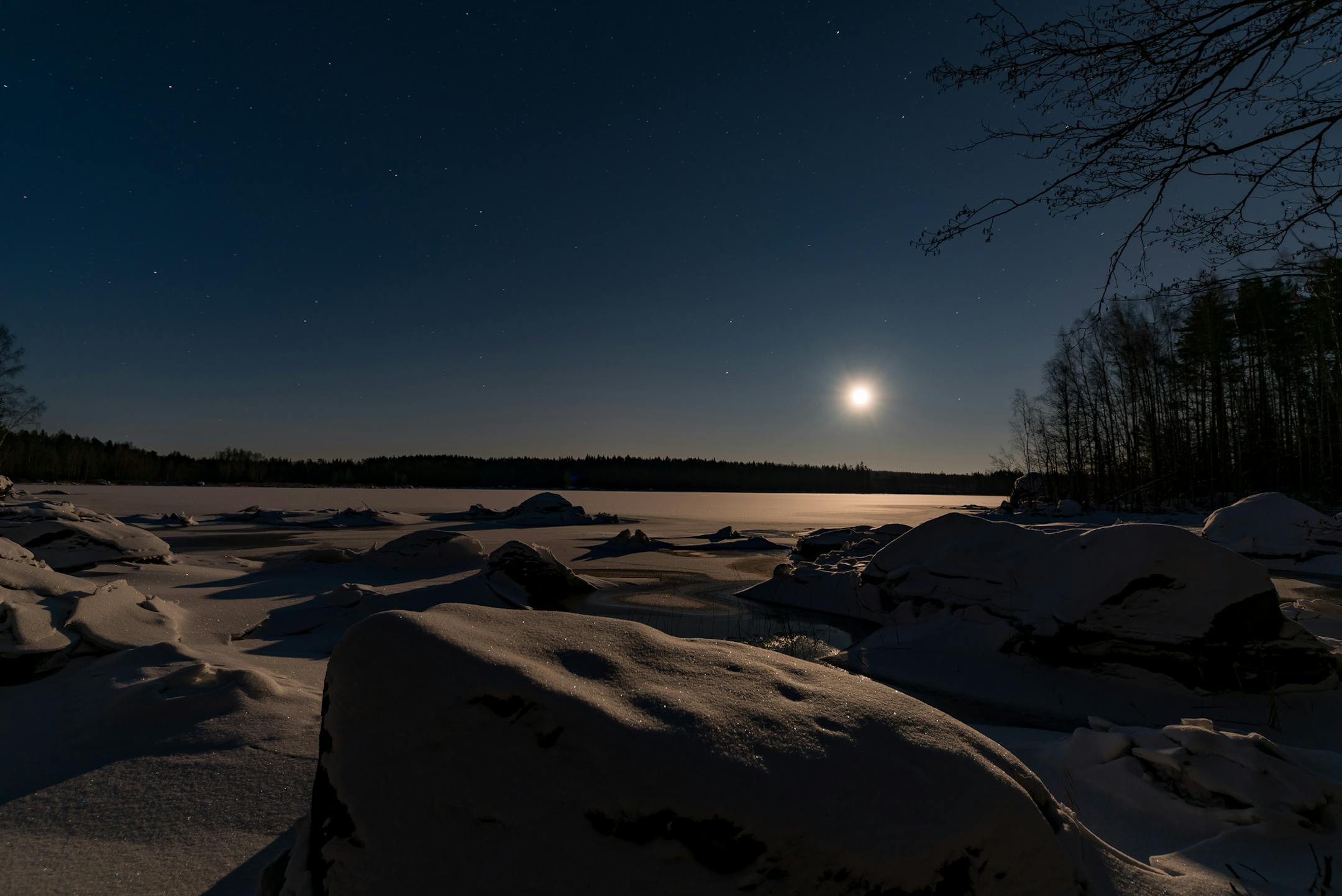
"As the darkest day leans toward the light, the season offers a gentle truth: We do not have to match the world’s volume to belong in it. We can return in our own time, in our own way," Charles J. Divencenzo Jr. writes. (Jonas Rönnbro/Getty Images)

Opinion editor’s note: Strib Voices publishes a mix of guest commentaries online and in print each day. To contribute, click here.

•••

“Winter is a time for comfort, for good food and warmth, for the touch of a friendly hand and for a talk beside the fire.” — Edith Sitwell

In Minnesota, the winter solstice arrives with a kind of quiet ceremony.

The landscape narrows to its barest essentials.

The sky leans low.

The cold sharpens the edges of the day.

And the light — thin, pale, almost hesitant — feels like a guest we are trying to coax to stay just a little longer.

On the solstice, we live inside the longest night. And yet, this is also the moment when the Earth begins its slow tilt back toward the sun. The turn is subtle, almost invisible, but it marks a truth older than language: Even in the deepest dark, something in the world is quietly choosing light again.

This year, I think many of us needed that reminder.

Across Minnesota and across the country, people carried more than they said out loud. Some walked with steady steps; others moved haltingly, unsure of their footing. Many retreated for a time, not because they did not care, but because caring deeply in a loud world can feel overwhelming.

The world has been noisy.

Loud opinions. Sharp divisions. A constant stream of things said too quickly and felt too deeply. The bluster of the year demanded reactions when what most people needed was space — a breath, a moment, a pause long enough to gather themselves.

Which is why I keep thinking about the plows.

Earlier this month, on a late-night flight into Minneapolis, I looked down and saw those familiar blue safety lights sweeping slowly across the highways. A line of plows moved in deliberate rhythm, guiding snow into neat rows as if performing a quiet winter ballet. No rush. No bravado. Just people doing the work that keeps the rest of us moving.

There was a dignity in that scene, a reminder that much of the world is held together not by the loudest voices, but by the steady ones. The ones who show up in the coldest hours. The ones who do not need attention to do what needs doing. The ones who keep paths passable for others.

The solstice feels like a tribute to them.

To all of us, especially the ones who move quietly.

Not everyone meets life head-on.

Some step back before they step forward.

Some need stillness before they can offer warmth.

Some carry their light softly, as if afraid it might go out.

Winter makes room for them.

Winter understands retreat.

Winter knows that stillness is not stagnation; it is preparation.

And as the darkest day leans toward the light, the season offers a gentle truth: We do not have to match the world’s volume to belong in it. We can return in our own time, in our own way. We can choose small kindnesses over sharp judgments, quiet presence over constant reaction.

The solstice teaches subtly:

  • Hope does not arrive with applause — it glows.
    • Belonging is not demanded — it accumulates.
      • And courage, more often than not, looks like simply continuing.

        So, as we stand at this turning point of the year, my wish is simple:

        May we notice the small lights — the ones in kitchens at dawn, the ones on plows at midnight, the ones in people who think their glow goes unseen.

        May we soften, even slightly, toward one another.

        May we remember that a single warm gesture in a cold season can be its own kind of miracle.

        The solstice does not promise immediate brightness.

        It promises movement toward it. And sometimes that is enough.

        Charles J. Divencenzo Jr. is a Minnesota-based business professional, lawyer and writer.

        about the writer

        about the writer

        Charles J. Divencenzo Jr.

        More from Commentaries

        See More
        card image
        Elizabeth Flores/The Minnesota Star Tribune

        My hope for the new year is that we each try a little harder to know and understand the stories and experiences of others.

        card image
        card image