

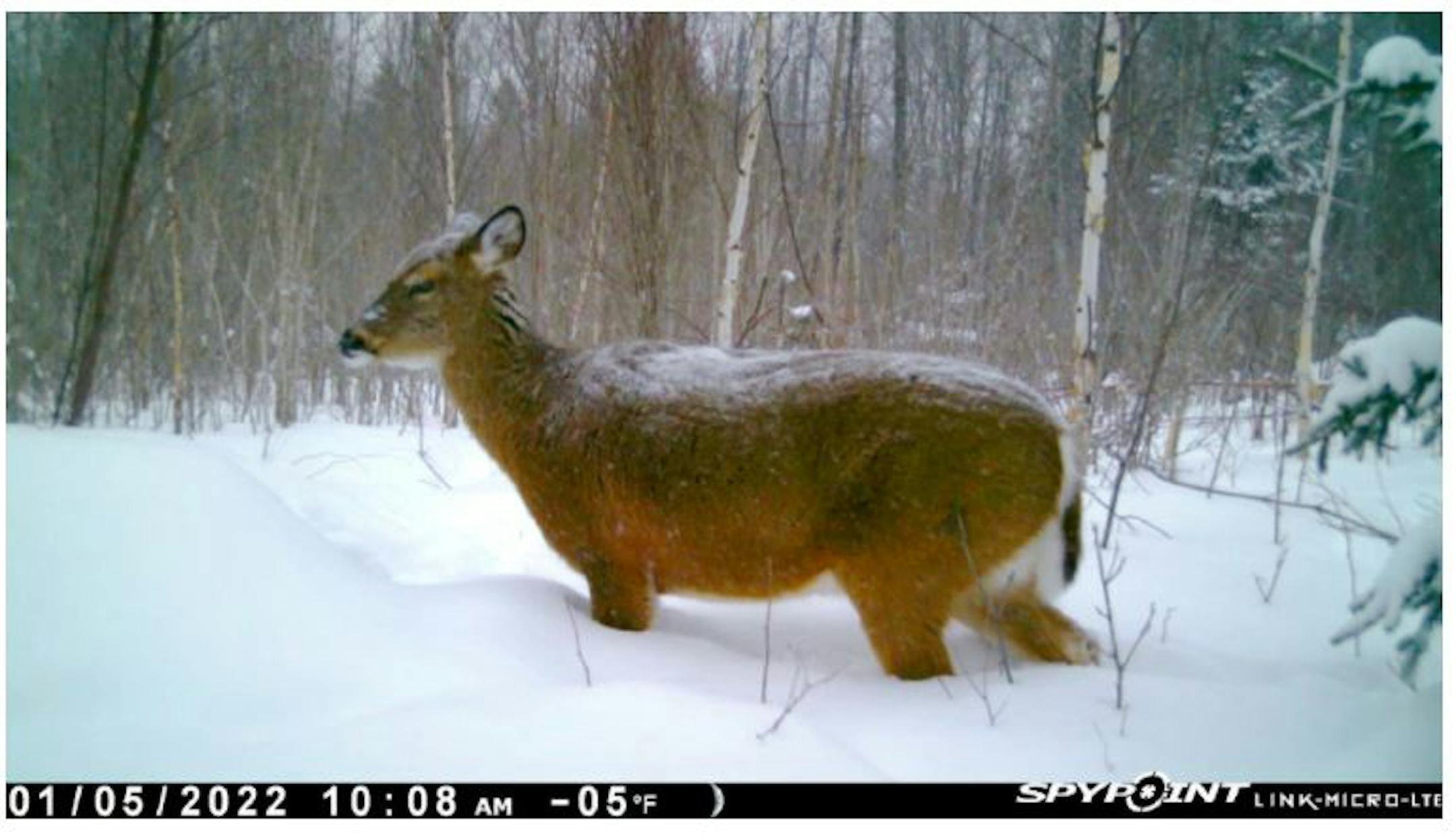
From a distance of 30 yards or more, hungry deer stood still and watched people interact on a farm west of Menahga, Minn. Disadvantaged this winter by deep snow and bitter cold, the deer lost their wariness of humans and were raiding livestock hay.
From the southern boundary of Crow Wing County to the tip of the Northwest Angle, Minnesota's whitetail deer have been battling winter conditions considered severe or well on their way to becoming severe, state wildlife officials say. In places like Fergus Falls, Bemidji and Detroit Lakes, the Department of Natural Resources has been receiving scattered reports of fawns dying from starvation. Predation by wolves — usually greater than normal in deep snow conditions — also could be taking a toll.
The predictable misery for deer is arriving after two months of energy-sapping snow depths and unrelenting stretches of subzero temperatures. February in International Falls, for example, was the seventh coldest on record. Wind, too, has been a problem, refilling deer tracks and travel corridors with blown snow.
Depending on how the remainder of winter plays out, mortality could be a factor in lowering or not raising harvest limits for 2022 in certain areas, said Barb Keller, the DNR's big game program supervisor. Many regions inhospitable to deer this winter were already below deer-management population goals for density, she said.
"Conditions are severe in a good portion of northern Minnesota,'' Keller said. "Deer are having trouble getting around.''
A strong March thaw would lower the troublesome snowpack and provide relief, but the National Weather Service Climate Prediction Center says the outlook through March 30 is leaning toward precipitation that would be 33% to 40% above normal. The same 30-day outlook for temperatures is leaning 33% to 40% below normal.
Erik Thorson, DNR wildlife manager for the Park Rapids area, was making a farm visit near Menahga in Wadena County when he encountered the hungry deer. Snow in that portion of the state is more than 2 feet deep in many places, covering browse and leaving some deer in poor body condition.
"The deer just stood and watched us from the adjacent grove waiting to get back to the hay they were feeding on,'' he said.


