

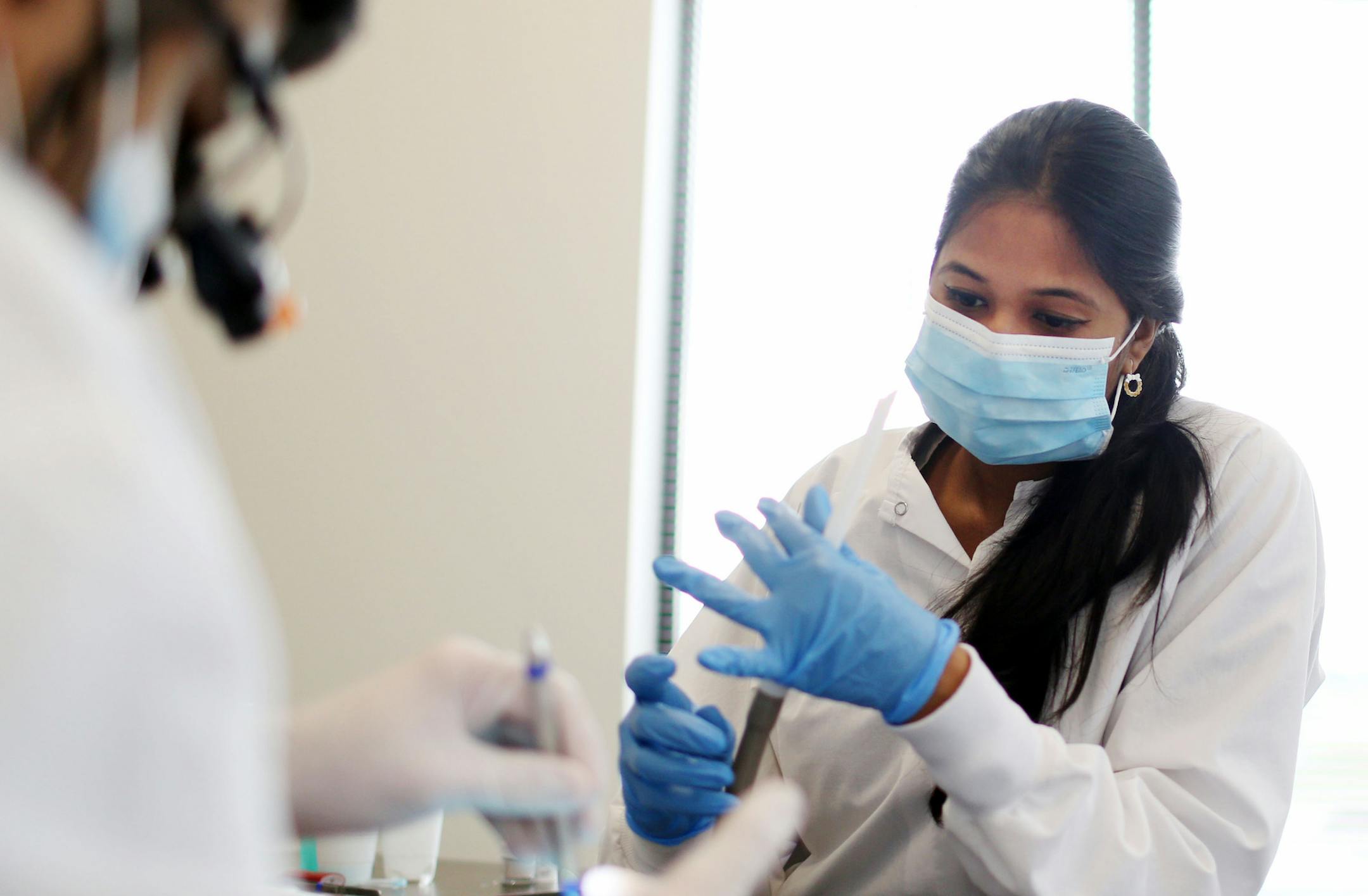
Neeharika Bhashyam plans to be a dentist but had to put her fledgling career on hold when she came to the United States as a newlywed last year.
The India native shadowed a Twin Cities dentist. She researched U.S. graduate programs. Mostly she stayed at home. "I felt like I was in jail," she said.
That changed earlier this year when the Obama administration started granting work permits to immigrants like Bhashyam — the spouses of people who hold temporary work visas and are in the final stretch of applying for permanent, work-based green cards. Until now, the spouses have been locked out of the job market during that period.
The government said the change would help employers retain highly skilled foreigners during their long green-card waits while also tapping the skills of their spouses, who are often educated professionals themselves.
But the shift has angered critics of the work visa program, known as H-1B, who say some employers abuse it to bring in cheaper, more pliable foreign labor. A group of California workers has challenged the new rule in court, describing it as a White House overreach that sidesteps protections for U.S. workers.
Under the H-1B visa program, college-educated professionals can work in America for up to six years, and their spouses can join them. Until now, however, the spouses have not been allowed to work until the H-1B holder obtains a green card, the document that grants permanent residence and a path to citizenship.
Long waits for green cards
In recent years, backlogs for employment-based green cards have grown, with some applicants waiting a decade or longer.
That can mean long career hiatuses for the spouses, says Debjyoti Dwivedy, a Twin Cities data storage engineer and vice president of the advocacy group Immigration Voice.
djoles@startribune.com Earlier this year, the government allowed the spouses of some foreign professionals on the controversial H-1B work visas to work. The change was welcomed by immigrant advocates who have decried long green card backlogs for these professionals; by critics of the H-1](https://arc.stimg.co/startribunemedia/TEKJLPMC5W4WOIHOJ2HU6PG3IQ.jpg?&w=1080)


