

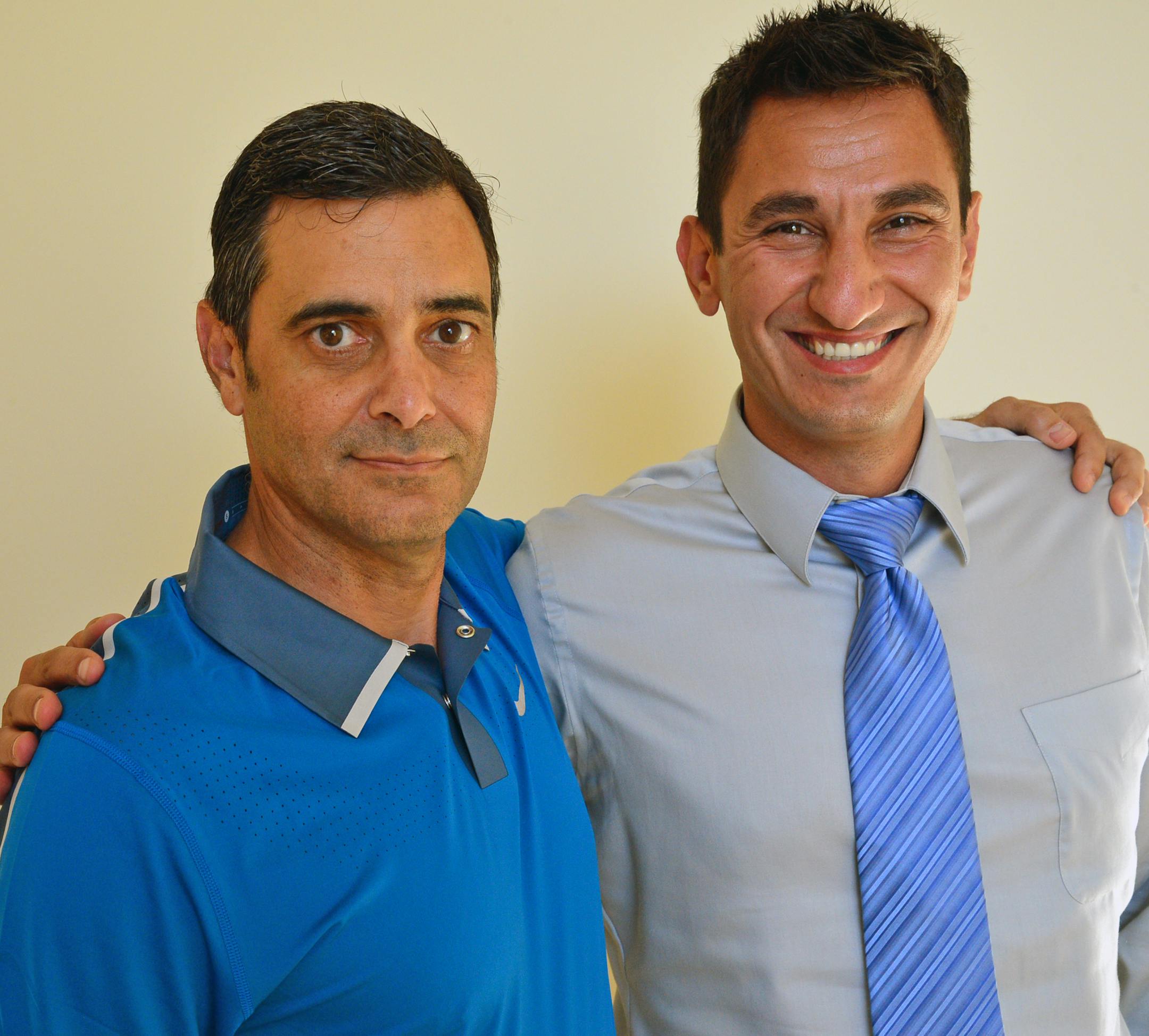
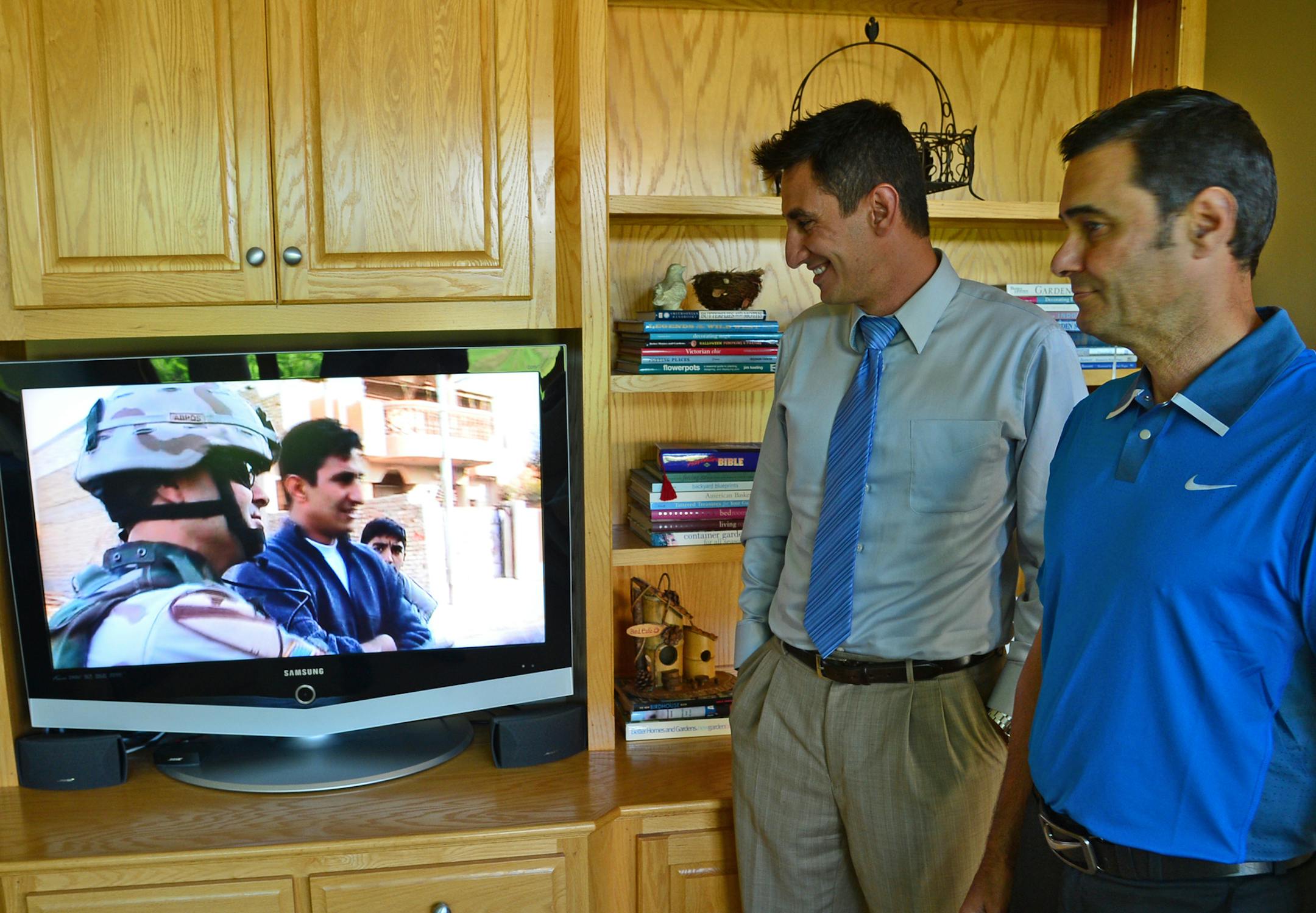
![As a sargeant in the Marine Corps., Mike Dolphin served two tours of duty in Iraq in Anbar Province, one of the most volatile areas in the country. Having left the Marines in 2011, he now watches as the country he fought to protect teeters on the brink. Here Dolphin is photographed with a photo of him on duty, Thursday, June 19, 2014 in Woodbury, MN. ] (ELIZABETH FLORES/STAR TRIBUNE) ELIZABETH FLORES • eflores@startribune.com](https://arc.stimg.co/startribunemedia/QTAQQA6QNBSKDRG3HZOXM6DAL4.jpg?&w=1080)
Michael Dolphin was a Marine sergeant in 2005 serving out of Fallujah, the Iraqi city where not long before U.S. forces had lost nearly 500 killed or wounded in the most intense street fighting since Vietnam.
Dolphin did convoy security work there, protecting supplies coming across western Iraq against insurgent attacks. Nearly a decade later, the area he patrolled is again up for grabs, the extremists are back in charge in Fallujah, and the peaceful, democratic Iraq that U.S. forces had hoped to leave behind is nowhere in sight.
"You look at a place like Fallujah and that city fell after all those Marines died there and your mind starts to wonder, 'Well, what was the point of that?' " Dolphin said. "I think that's a fair question, especially for the guys who strapped it on and went over there."
Sixty-eight Minnesota service members died fighting in Iraq, and 88,000 Minnesotans in all served during the two Gulf wars. Many of them are watching with a mixture of regret and indignation as old worries, old battlefields and old arguments flash across their TV screens while the Iraqi government flirts with collapse.
Dolphin left the Marines in 2011 after eight years and two tours in Iraq. He recently passed the bar exam and works out of his home in Woodbury. He's reconnected with many Marine buddies through phone calls and e-mails in recent weeks, sharing memories and opinions about a country that he admits he will never fully understand.
In the end, what's important to Dolphin is not so much whether the longest American war was for naught but that the sacrifices service members made are honored, and that leaders understand their obligations to soldiers on the ground.
"We're really good at winning battles, but we want to know that the reason that we are fighting and losing guys is that there was some kind of general plan," he said.
'Saw this coming'
Iraq hits home almost every day for Michael Baumann.
![As a sargeant in the Marine Corps., Mike Dolphin served two tours of duty in Iraq in Anbar Province, one of the most volatile areas in the country. Having left the Marines in 2011, he now watches as the country he fought to protect teeters on the brink. ] (ELIZABETH FLORES/STAR TRIBUNE) ELIZABETH FLORES • eflores@startribune.com](https://arc.stimg.co/startribunemedia/4Q262ATAD3XVTO4LNHQEU7CZ3U.jpg?&w=1080)


