

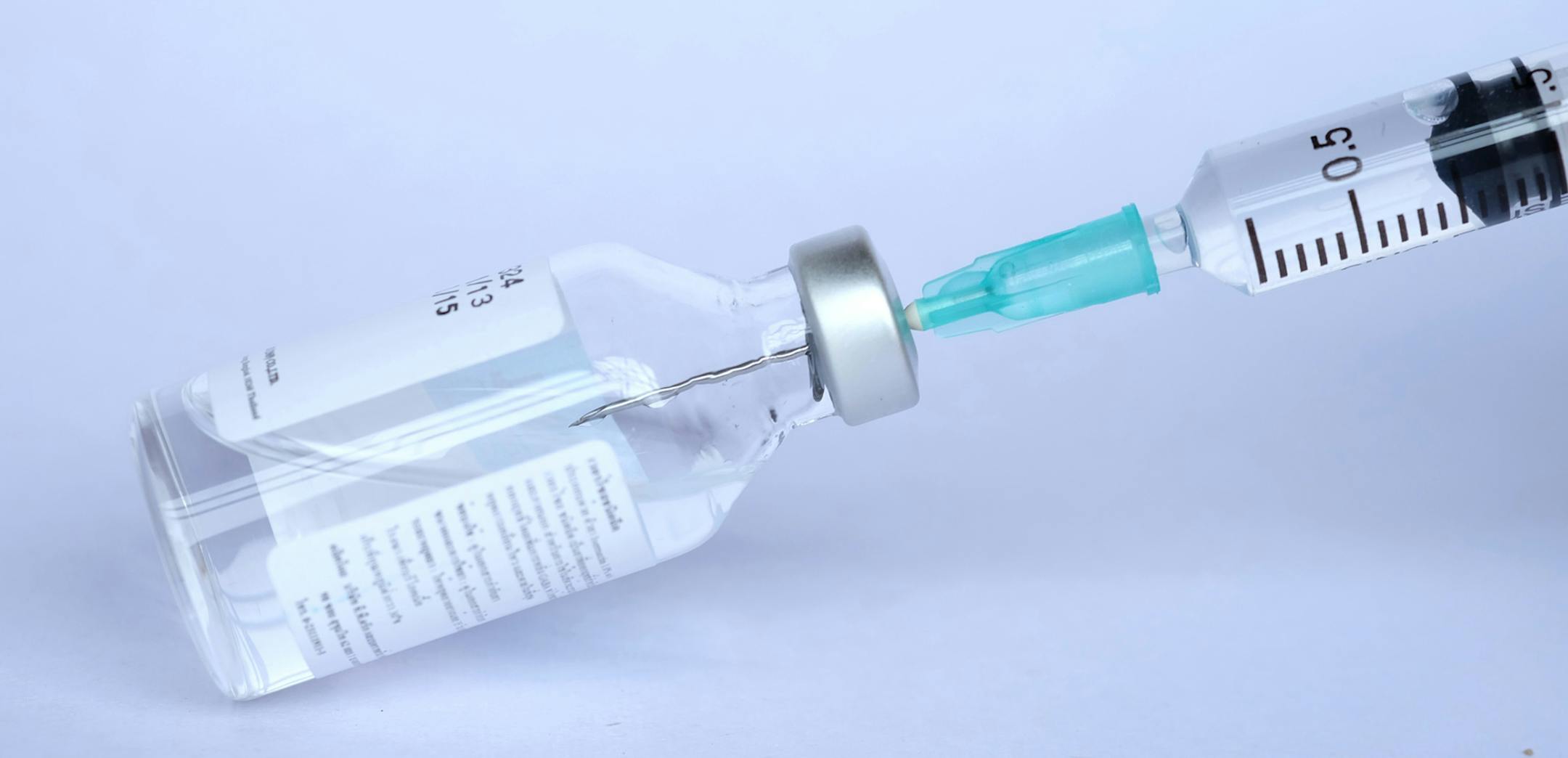
A severe measles outbreak sickened dozens of Minnesotans last year and threw a harsh light on activists with vaccination concerns, but now they are back, believing they have gained the political clout to push through legislation that would alert parents to the rare but documented risks of vaccines.
At a forum for state legislators on Wednesday, leaders of the Vaccine Safety Council of Minnesota hope to persuade lawmakers to support an "informed consent" bill, which would require doctors to discuss risks with parents before vaccinating babies.
"There's been a shift in this country," said Jennifer Larson, a leader of the nonprofit council and an organization called Healthchoice that organized the forum. "I think it's tough for anyone to say more information is not better."
Larson said her group is not anti-vaccine; they believe consumers just need more upfront information about risks. But state health officials worry that opponents want to promote unproven claims that could unnecessarily scare people away from vaccinations.
With 79 confirmed cases, last year's measles outbreak was Minnesota's largest in 27 years, and falling vaccination rates in the state's Somali community played a role, said Kris Ehresmann, who directs vaccination programs for the state Health Department.
"Seventy-one of 79 were unvaccinated," she said. "It was very much an outbreak driven by lack of vaccination."
State records show that more than 90 percent of Minnesota children enter kindergarten vaccinated for infectious diseases such as tetanus, measles, hepatitis B, and chickenpox.
But survey data from the U.S. Centers for Disease Control and Prevention show a small decline in certain immunizations. And President Donald Trump proposed a safety commission to address vaccine concerns, though plans for that panel have stalled and the president didn't mention vaccines in his State of the Union address last week.


