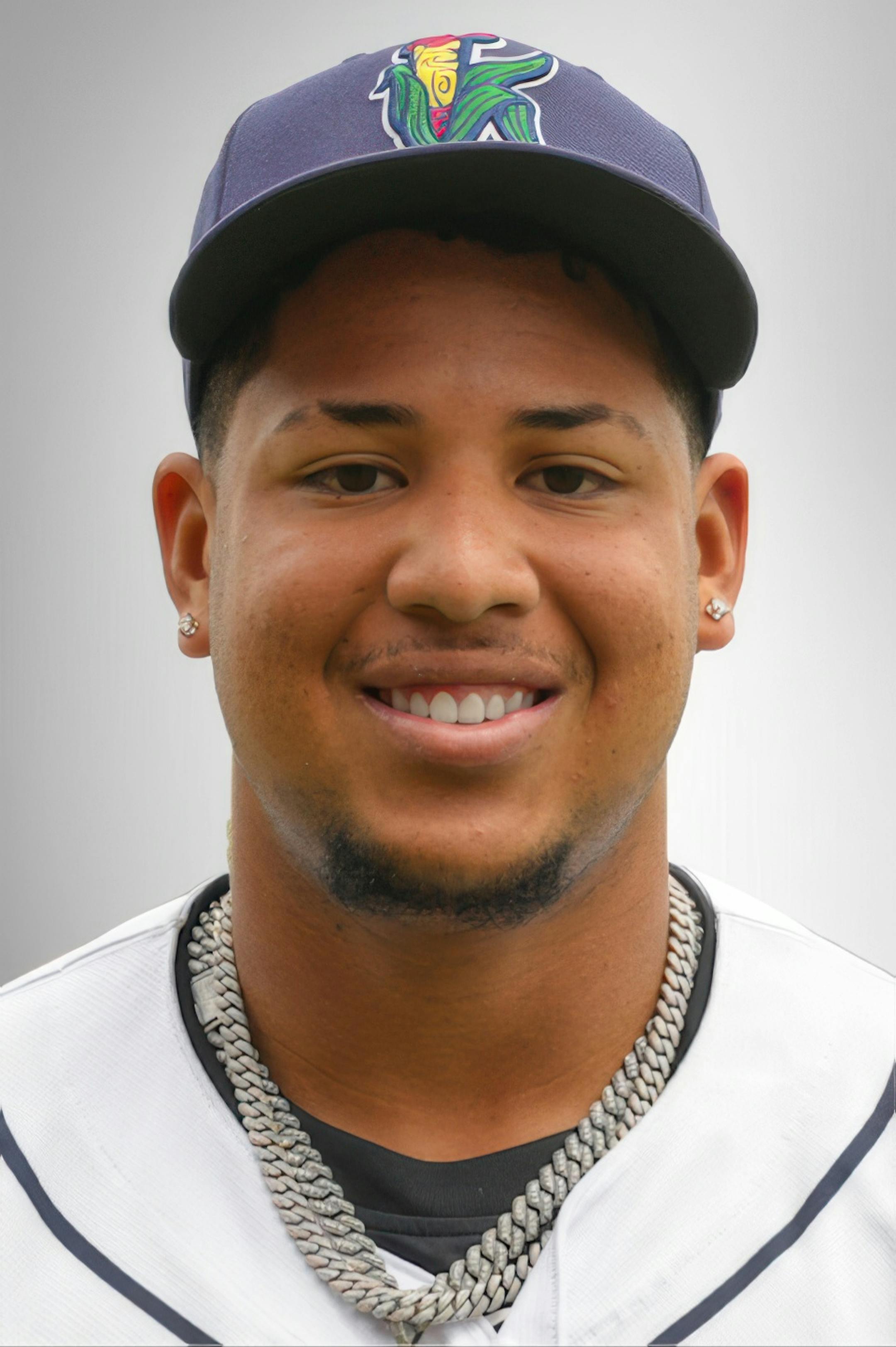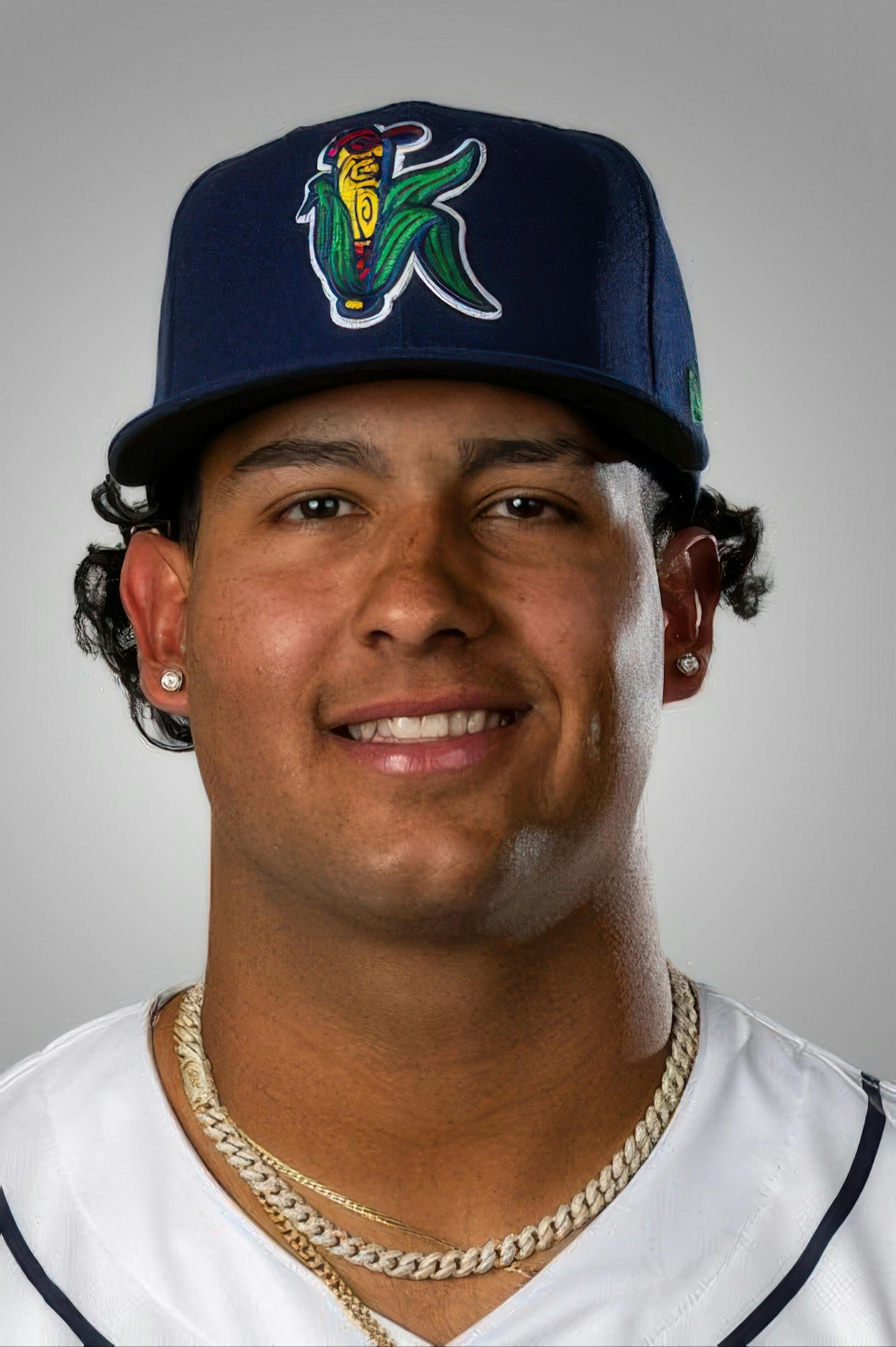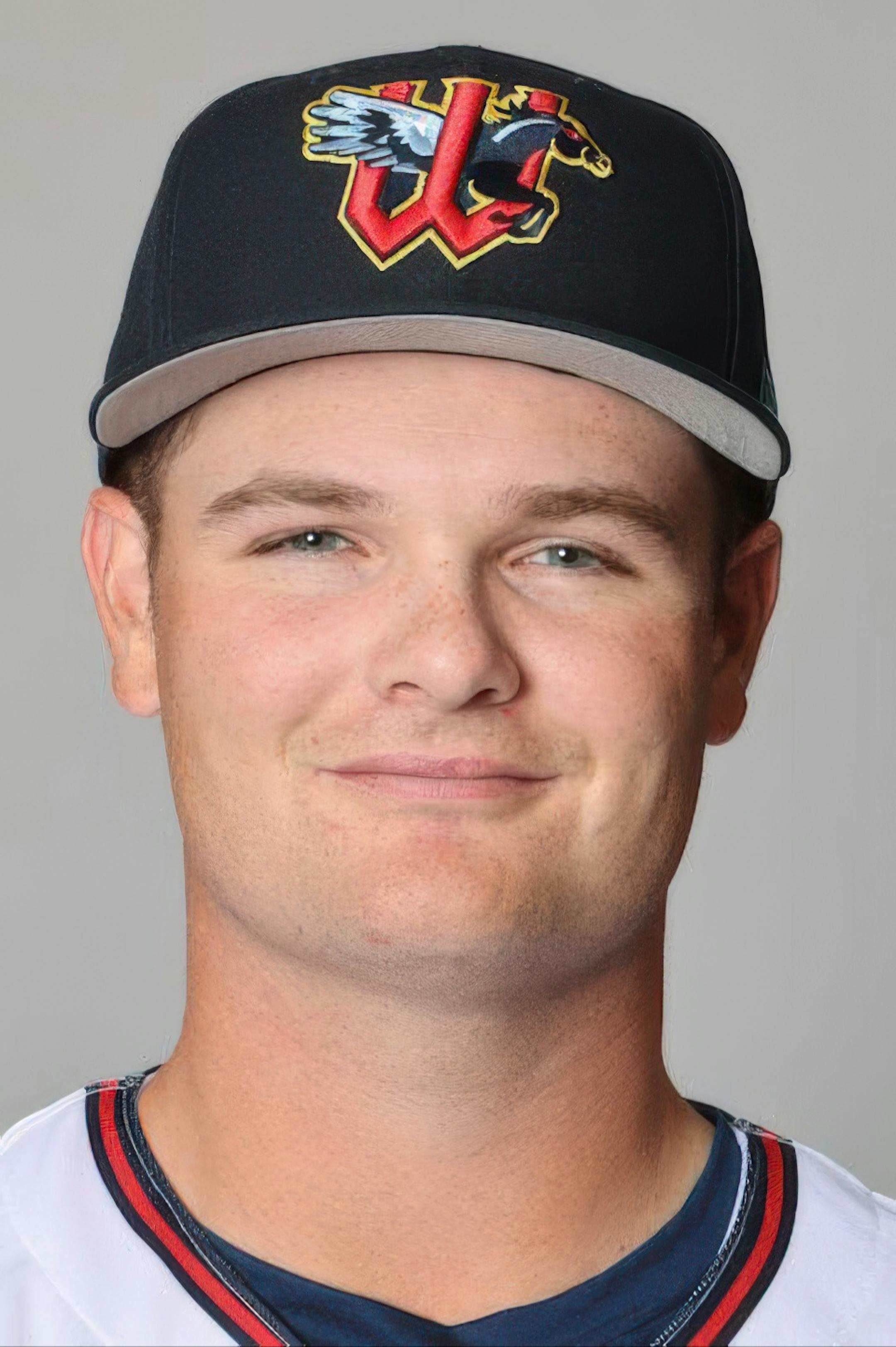
Analysis: The Twins’ top-10 prospects and the biggest questions they face

The Twins have a wave of top prospects in the upper levels of the minor leagues. Here’s a review of their strengths and weaknesses.

The Minnesota Star Tribune
January 8, 2026 at 9:55PM
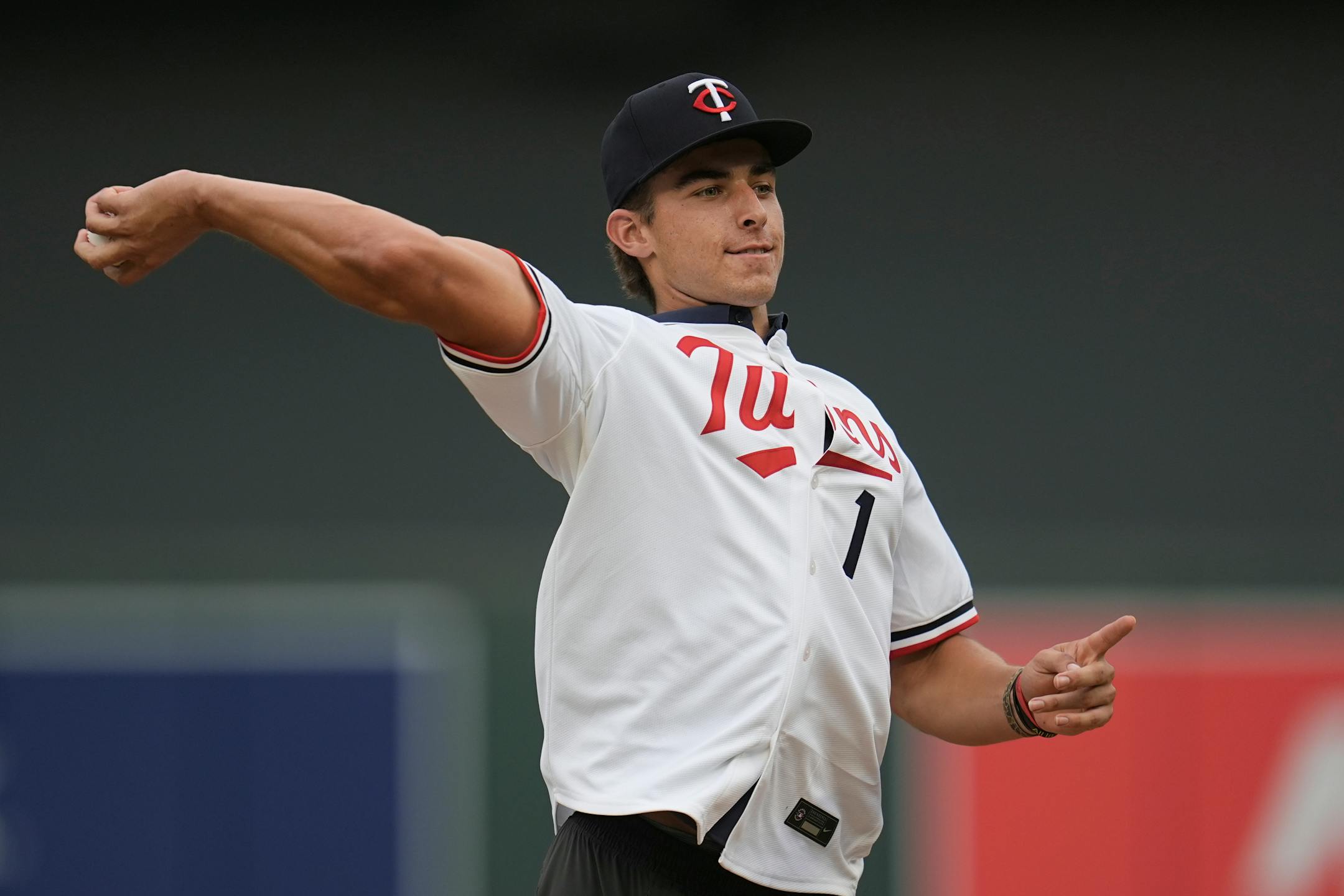
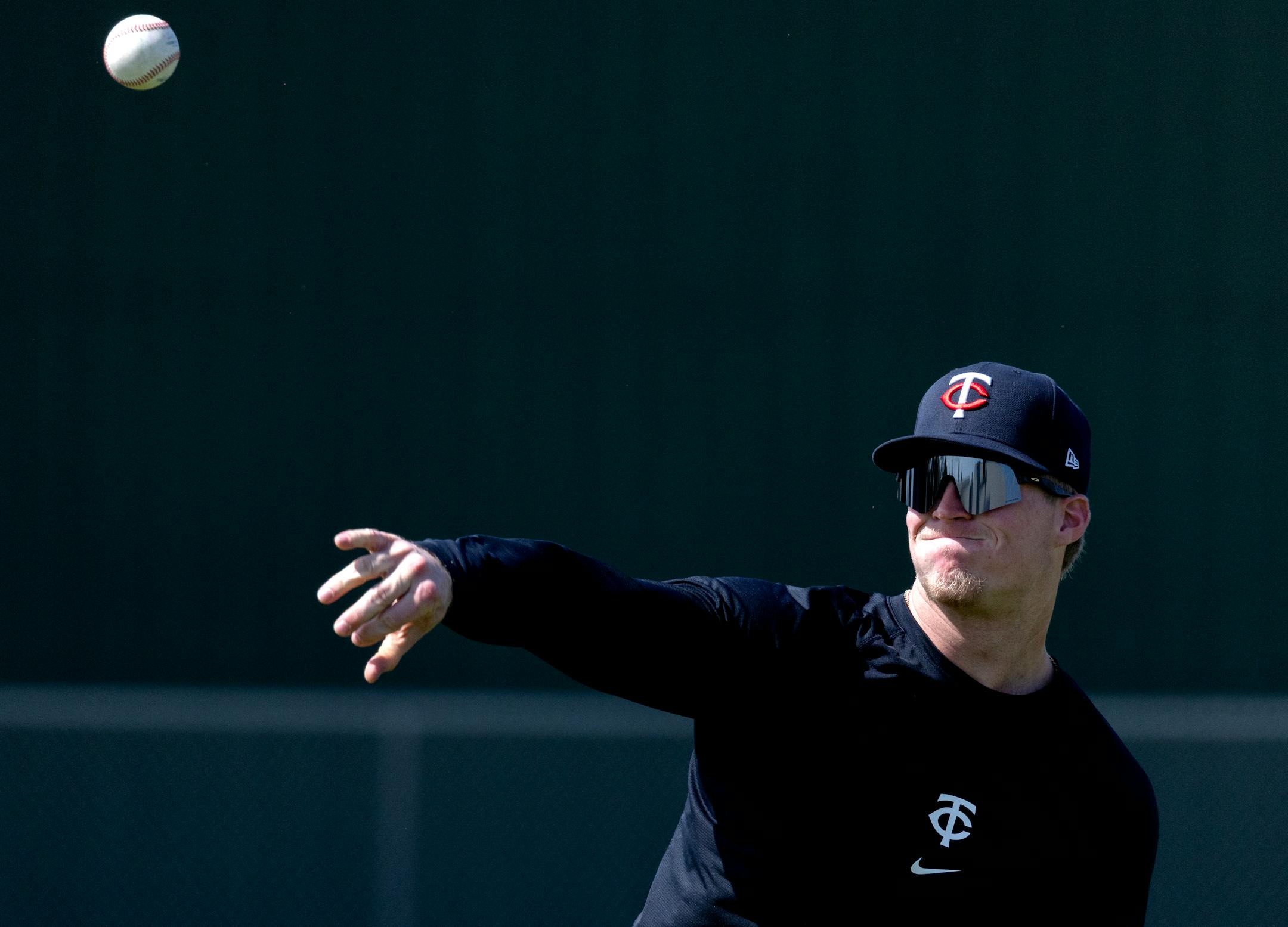
Walker Jenkins will come to Twins spring training this year with high hopes. (Carlos Gonzalez/The Minnesota Star Tribune)

The Twins have one of baseball’s highest-rated farm systems, particularly after their trade deadline sell-off last season, and they will be depending on that next wave of prospects because of ownership cuts to their big-league payroll.

A good chunk of their top prospects resides in the upper levels of the minor leagues, giving those players a realistic chance to contribute during the upcoming season. But last year was a cautionary tale when Luke Keaschall was the only rookie to make a meaningful impact and all their pitching depth dried up.

Here is a Star Tribune ranking of the Twins’ top 10 prospects and the big questions that could stop them from reaching their potential (ages are set for Opening Day):

1. Walker Jenkins, CF, age 21

Bats: Left. Level: AAA. Stats: 84 G, .286/.399/.451 (.850 OPS), 10 HR, 29 XBH, 21% K rate, 14% BB rate, 17 SB.

Key question: Will he develop more power?

Jenkins has a swing that looks a lot like Joe Mauer’s, and now he is facing a similar question asked about the Hall of Famer. Jenkins, who could be a legitimate five-tool player, has hit 19 homers in 192 career minor league games. He has dealt with various injuries since he was drafted with the No. 5 overall pick in 2023, and maybe that is a factor. He possesses a mature offensive approach, without much swing and miss, but adding more power would increase his upside.

Emmanuel Rodriguez (Carlos Gonzalez/The Minnesota Star Tribune)

2. Emmanuel Rodriguez, CF, 23

Bats: Left. Level: AAA. Stats: 65 G, .269/.431/.409 (.840 OPS), 6 HR, 16 XBH, 32% K rate, 21% BB rate, 10 SB.

Key question: Can he stay healthy?
ADVERTISEMENT

When Rodriguez is on the field, he has largely been the same player at every minor league level. He draws a ton of walks, has as much power as anybody in the farm system, plays strong defense and strikes out a lot because of his passivity. The key qualifier in the first sentence is “on the field.” He has played more than 65 games just once over the last five years.

Kaelen Culpepper (Matt Krohn)

3. Kaelen Culpepper, SS, 23

Bats: Right. Level: AA. Stats: 113 G, .289/.375/.469 (.844 OPS), 20 HR, 39 XBH, 17% K rate, 10% BB rate, 25 SB.

Key question: Will he stick at shortstop?

His offense exceeded expectations during his first season in pro ball, and Culpepper showed more power than expected. He is prone to chasing offspeed pitches, which will be an emphasis when he’s at Class AAA, but the acceptable bar for offense at shortstop is much lower than second or third base. Culpepper has a strong arm. If he continues to show good defensive range, it could speed up his arrival to Target Field.

Eduardo Tait (MiLB)

4. Eduardo Tait, C, 19

Bats: Left. Level: High-A. Stats: 112 G, .253/.311/.427 (.738 OPS), 14 HR, 47 XBH, 20% K rate, 7% BB rate, 0 SB.

Key question: Can he stop chasing pitches out of the strike zone?

The Twins acquired Tait in the Jhoan Duran trade to be their catcher of the future, and he has already reached Class A-advanced, where he is about four years younger than the average player. His power is legitimate with exit velocities that could fit into the big leagues, but he has an extremely aggressive approach in which he takes a lot of swings on pitches out of the strike zone. It’s one of those issues that can be exacerbated against more experienced pitchers.

Charlee Soto (MiLB)

5. Charlee Soto, SP, 20

Throws: Right. Level: High-A. Stats: 3 G, 1.38 ERA, 13 IP, 28% K rate, 8% BB rate.

Key question: Will he rebound after a lost season?

Soto entered the season as the second-youngest pitcher in Class A-advanced, and he was dominant. His fastball hit 100 mph, and he consistently pumped it at the top of the strike zone where hitters couldn’t touch it. His changeup and slider look like above-average pitches. He controls the basepaths with a good pickoff move. He has the look of a big-league starter, but he lasted only three starts before arm injuries ended his year.

Connor Prielipp (MiLB)

6. Connor Prielipp, SP, 25

Throws: Left. Level: AAA. Stats: 24 G, 4.03 ERA, 82⅔ IP, 27% K rate, 8% BB rate.

Key question: Will the Twins move him to the bullpen?

Opinions vary internally about Prielipp’s ideal role. The Wisconsin native is an impact pitcher with little durability. He worked 82⅔ innings last year, the first time he has thrown more than 25 innings in a season since 2019 because of injuries. His high-spin sweeper is incredible, and his changeup garners a lot of whiffs. His fastball, which can sit at about 97 mph in the first inning or two before settling at about 94 mph, was hit around last season, prompting Prielipp to add a sinker.

Dasan Hill (MiLB)

7. Dasan Hill, SP, 20

Throws: Left. Level: High-A. Stats: 19 G, 3.19 ERA, 62 IP, 31% K rate, 15% BB rate.

Key question: Can he start throwing more strikes?

All the ingredients are there for the lanky lefty to be a star pitcher. He was drafted out of a Dallas-area high school. His fastball velocity already jumped to 96-97 mph. His sweeper and changeup are quality offerings that draw tons of swings and misses. But he threw only 58% of his pitches for strikes last year, which is about five percentage points below a reasonable level for a starter.

Marek Houston (Abbie Parr/The Associated Press)

8. Marek Houston, SS, 21

Bats: Right. Level: High-A. Stats: 24 G, .270/.330/.350 (.680 OPS), 1 HR, 6 XBH, 19% K rate, 7% BB rate, 7 SB.

Key question: How much will he hit?

Houston, billed as the best defensive collegiate shortstop in last year’s draft class, is easily the best defensive shortstop in the organization. He steadily improved offensively at Wake Forest, which has a hitter-friendly home ballpark, but he generated little power after he debuted in pro ball.

Kendry Rojas (Rob Thompson)

9. Kendry Rojas, SP, 23

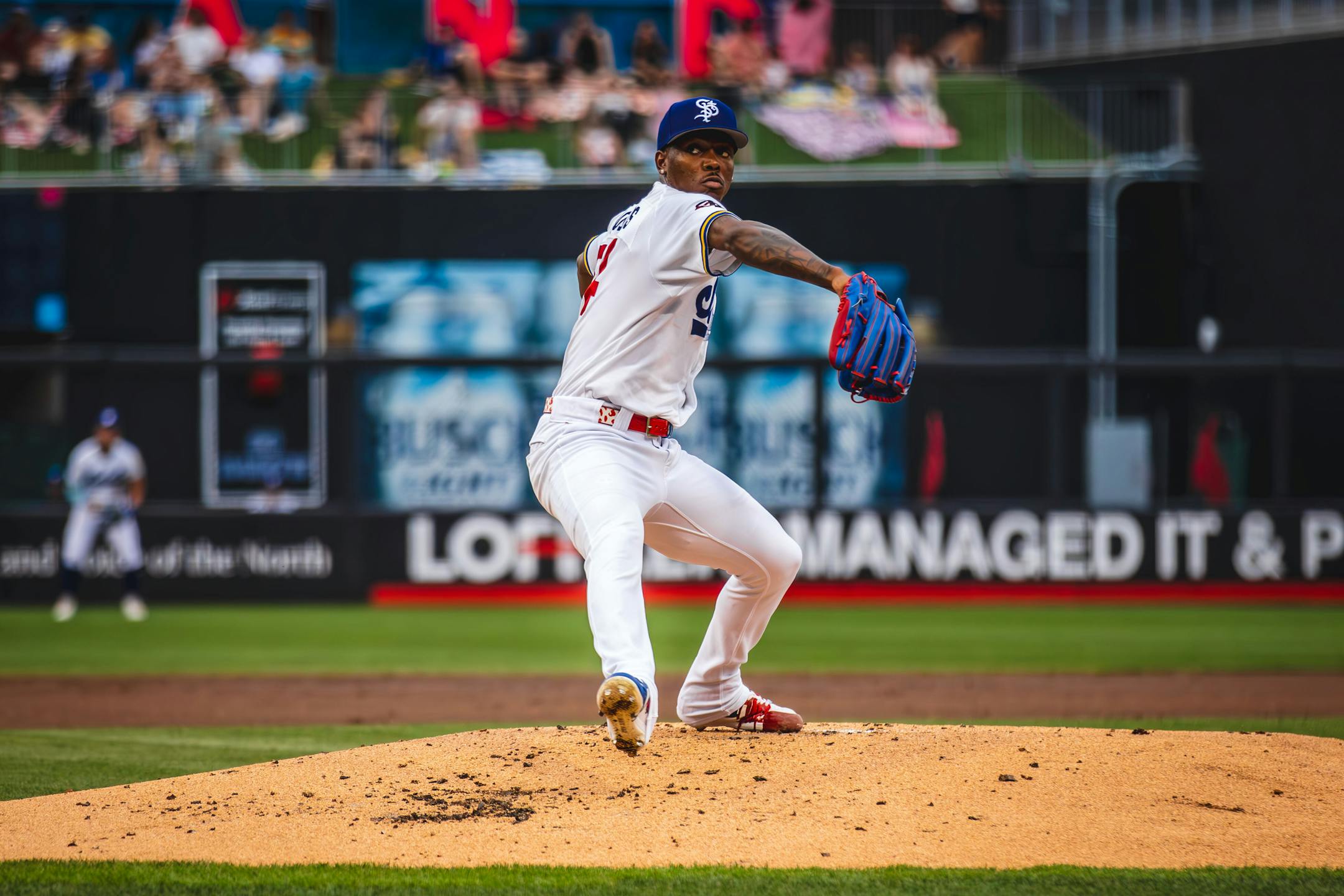
Throws: Left. Level: AAA. Stats: 19 G, 4.70 ERA, 69 IP, 29% K rate, 10% BB rate.

Key question: Were his Class AAA issues a sign of things to come?

With heavy east-west movement on his pitches, Rojas overpowered hitters at lower levels by living in the strike zone. When he left pitches over the plate in Class AAA, he paid the price. He had a 6.59 ERA in eight starts at St. Paul, and he started walking nearly a batter per inning. If he improves his command, his pitch mix is solid with a mid-90s fastball, a biting slider and a changeup.

Gabriel Gonzalez (Rob Thompson/St. Paul Saints)

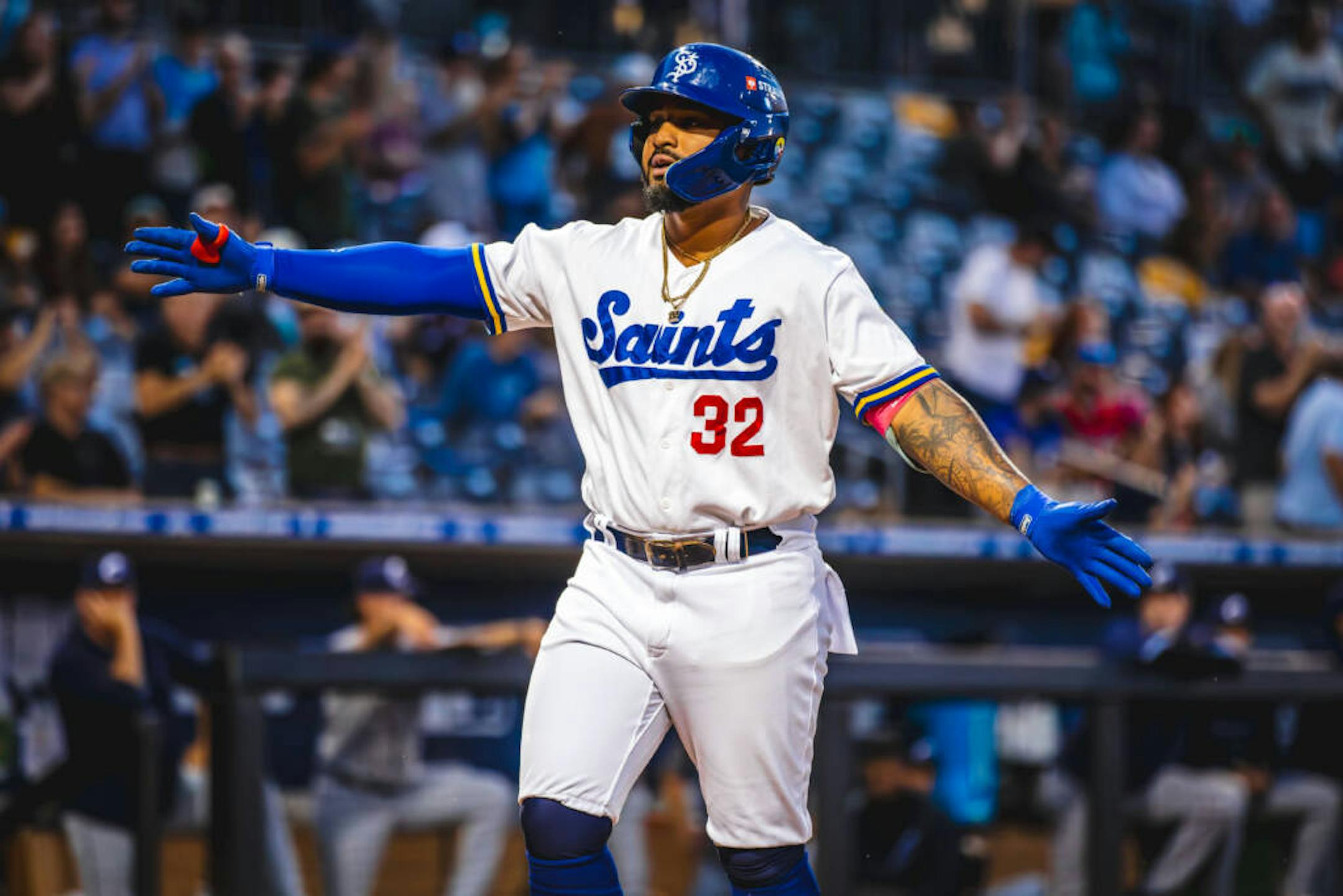
10. Gabriel Gonzalez, RF, 22

Bats: Right. Level: AAA. Stats: 123 G, .329/.395/.513 (.908 OPS), 15 HR, 56 XBH, 15% K rate, 9% BB rate, 8 SB.

Key question: How does he help when he’s in a slump?

The headline prospect in the Jorge Polanco trade with the Mariners had a breakout season, nearly leading all the minor leagues in hits (159) and doubles (38). He has excellent bat-to-ball skills, and he feasts on lefty pitching. His other tools, however, are not as impactful. He’s considered a below-average defender and a slower runner with just average power.

about the writer

about the writer

Bobby Nightengale

Minnesota Twins reporter

Bobby Nightengale joined the Minnesota Star Tribune in May, 2023, after covering the Reds for the Cincinnati Enquirer for five years. He's a graduate of Bradley University.

See Moreicon

More from Twins

See More
card image
Richard Tsong-Taatarii/The Minnesota Star Tribune

The Twins are $500,000 apart with Joe Ryan, an All-Star pitcher, on his 2026 salary and may go to arbitration to settle it.

card image
card image