

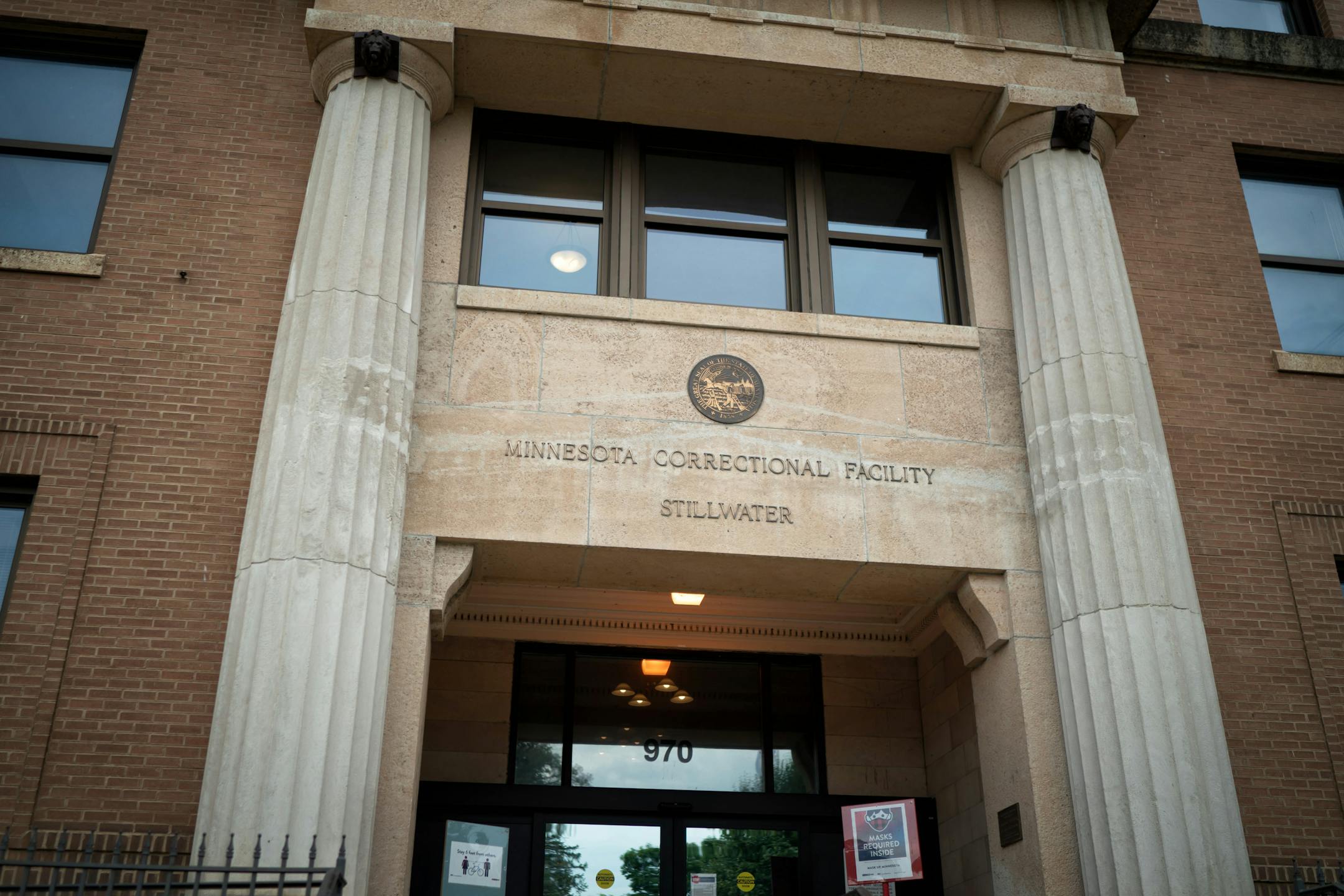
The Minnesota Supreme Court ruled this week that a onetime Minnesota prisoner's lawsuit may proceed against the Department of Corrections (DOC) over allegations of cruel and unusual punishment after he claims he was left permanently injured by handcuffs that were too tight.
The state's high court sided with the Court of Appeals in reversing the dismissal of Christopher Welters' lawsuit against the DOC and Stillwater correctional facility officers Cornelius Emily and Ernest Rhoney. Welters claimed they caused permanent nerve damage to his wrists when they left him in tight handcuffs while undergoing a routine medical procedure.
Despite complaints and requests to loosen the cuffs, the lawsuit alleges, they were left on for nearly four hours, which he argues violated his Eighth Amendment protection against cruel and unusual punishment.
Welters, 49, was handcuffed at Stillwater for his transfer to Oak Park Heights, a maximum security prison that also serves as an inmate health clinic, to undergo an endoscopy in July 2017. He went to a nurse after the exam as his "hands were blue and his wrists had gouges in them. His blood pressure was elevated," according to the lawsuit, and he "complained to her about being shackled throughout his medical procedure and she advised that he contact an attorney."
Welters, who is originally from Minnesota, is serving a life sentence in California without the possibility of parole for the execution-style murder of his two roommates in 1992, according to reports from the Los Angeles Times. Welters, who was then 18, testified that his roommates sexually assaulted him, but a jury found the double homicide was committed during a robbery.
His attorney Zorislav Leyderman praised the Supreme Court decision and said that regardless of Welters' conviction, inmates deserve equal treatment under the law.
"I have no doubt that some people will have a hard time understanding why Mr. Welters deserves his day in court, despite whatever happened in California," Leyderman said. "But these are two completely separate issues."
As for the DOC's next steps, spokesperson Nicholas Kimball said "we believe the legal conclusion to be contrary to existing U.S. Supreme Court precedent and are considering our options for the next steps in the litigation."


