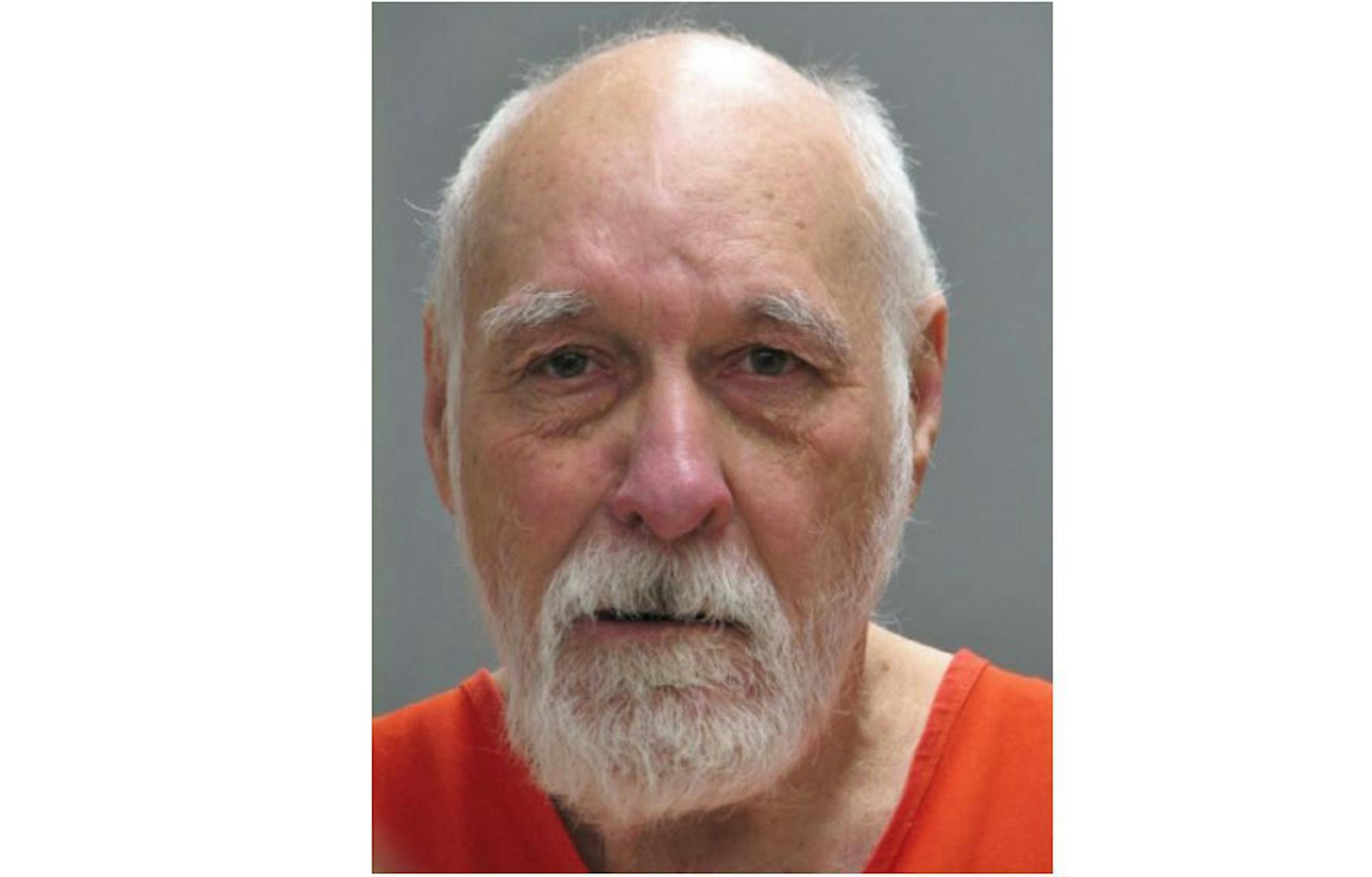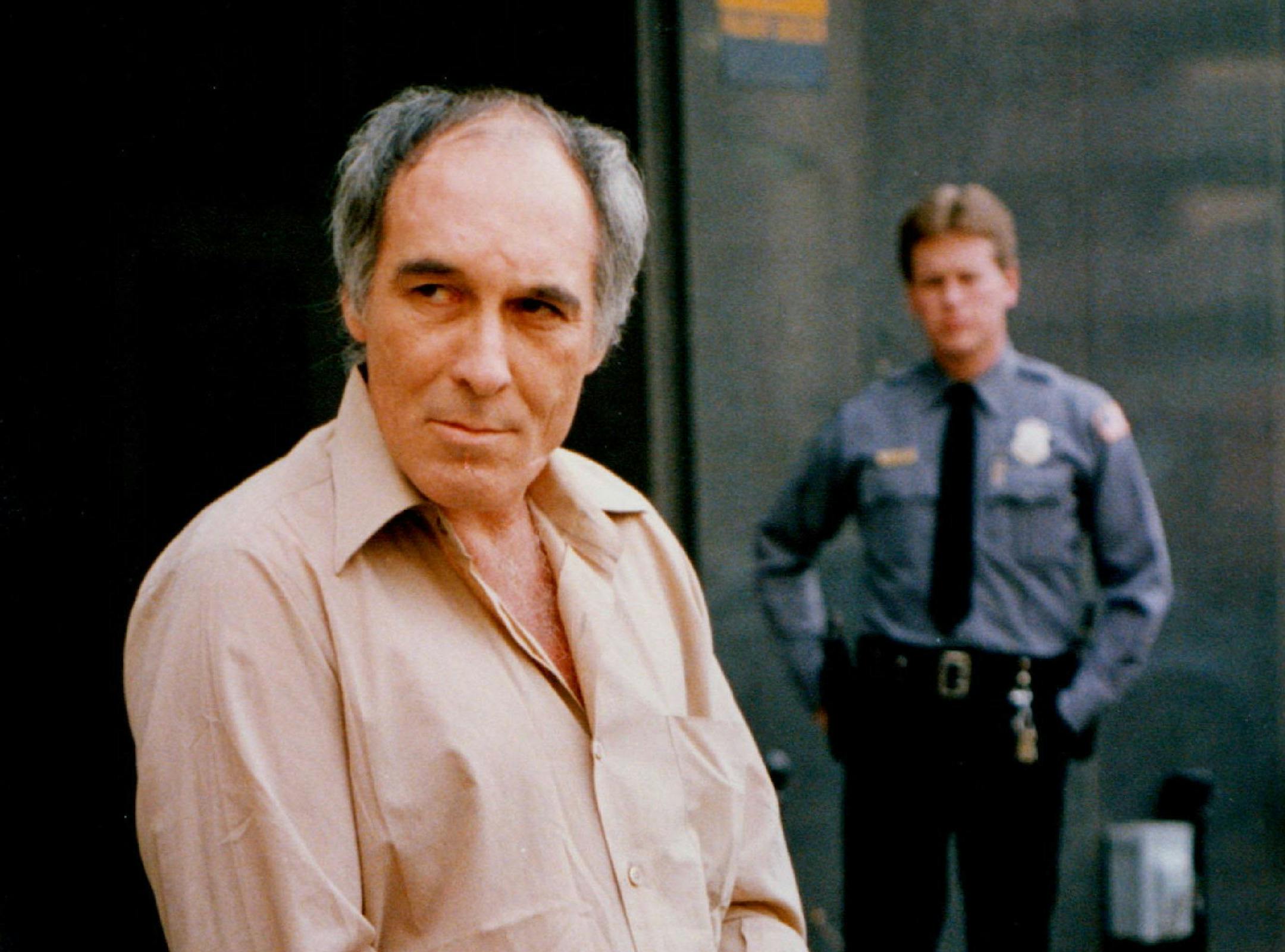
Convicted Minneapolis serial killer Billy Glaze is dead. So should the courts even consider claims that he might be innocent?
State Supreme Court justices heard arguments Monday about whether attorneys working for the Minnesota Innocence Project have standing to continue a petition for review of Glaze's case.
Glaze, convicted in decades-old murders of three women, had been incarcerated for 28 years when he fell ill with lung cancer and died in December 2015, amid his attorneys' efforts to exonerate him with new DNA evidence.
A District Court judge agreed with Hennepin County prosecutors last year that Glaze's appeal died with him. Glaze hadn't yet proved his innocence with the evidence introduced, so there was no "live controversy" to be resolved, the judge found.
Attorneys for Glaze, however, argued on appeal that the public has an interest in learning whether the justice system worked fairly. Glaze's name still deserves to be cleared, they contend, and the real killer brought to justice.
In 1989, a jury found Glaze guilty of first- and second-degree murder in the bludgeoning death of Kathy Bullman, 19; Angeline Whitebird-Sweet, 26; and Angela Green, 21. All were found nude or mostly nude with their bodies positioned in ways that suggested a serial killer. The cases prompted intense media attention and public outcry, including allegations that police hadn't been aggressive in investigating crimes against American Indians.
In 2014, attorneys for Glaze presented DNA evidence that wasn't available decades earlier, saying it pointed to another man who is a convicted rapist, and that no physical evidence linked Glaze to the slayings.
On Monday, Supreme Court justices hearing oral arguments focused their questions mostly on the legal issues of "mootness" and "standing" — whether a claim of innocence can still be made on Glaze's behalf given the fact that he's dead.