
Minnesota spring means ticks, health risks

May 28, 2014 at 8:10PM
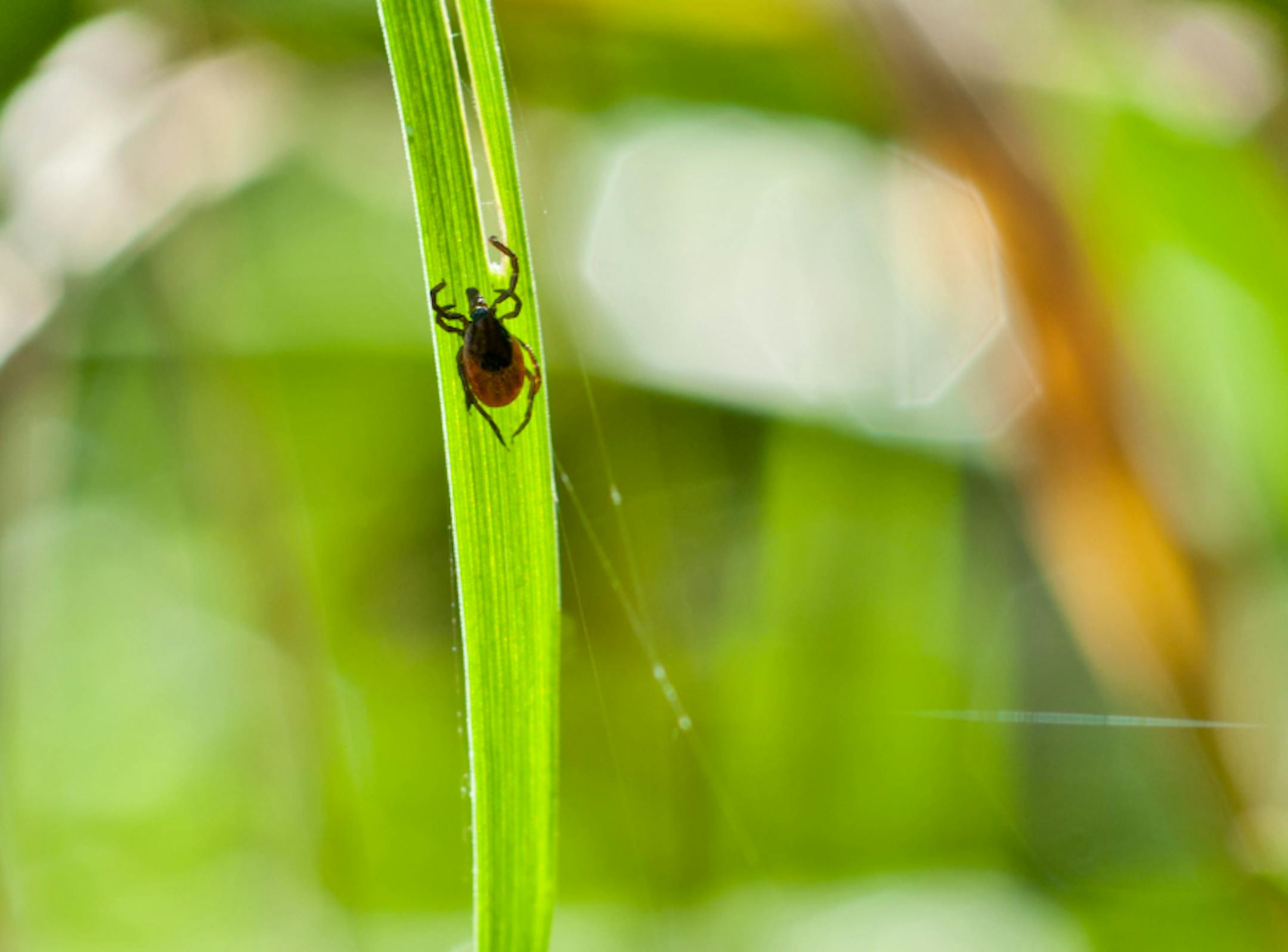
Deer ticks are tiny – about the size of a pencil tip – and brown-black in color. Wood ticks are larger and do not carry Lyme disease.
Deer ticks are tiny – about the size of a pencil tip – and brown-black in color. Wood ticks are larger and do not carry Lyme disease. (Kerstin Waurick/The Minnesota Star Tribune)

Erin Fritz, RN, CNP

The snow has now melted and the temperatures are rising, allowing our energy and activities to bring us outdoors. Spring weather brings sprouting trees, blooming flowers – and creepy crawly ticks that lurk in the woods, grass and marshy areas.

Whether you are heading up north to the cabin or playing in your backyard, ticks may be present and a tick bite may occur. Due to the extreme seasonal temperature changes and high humidity, Minnesota has a lot of ticks and high rates of tick-borne illness such as Lyme disease,and the risk remains high. Lyme disease is an infection caused by bacteria that is carried by some deer ticks. Deer ticks are tiny – about the size of a pencil tip – and brown-black in color. Wood ticks are larger and do not carry Lyme disease.

Prevention

Playing outdoors increases the risk of encountering a tick, but there are ways to prevent a tick from attaching and biting. The American Academy of Pediatrics recommends the following for tick and Lyme disease prevention:

  • Cover arms and legs by wearing long-sleeved shirts and pants tucked into socks
    • Wear a hat to cover hair
      • Wear light-colored clothing in order to see ticks more clearly
        • Wear enclosed shoes, use insect repellent with DEET
          • Stay on cleared trails whenever possible
            • Routinely check for ticks immediately after coming indoors

              When you find a tick

              Most ticks are noticed when crawling around on clothing or skin and easily can be removed by taking it off before it attaches to the body. If a tick already has attached, removal is rather easy and should be removed as soon as possible. While prompt removal is important to decrease the risk of developing Lyme disease, be aware that most medical experts agree that the tick must be attached for at least 24-36 hours before Lyme disease is transmitted.

              In order to remove the tick:

              • Simply grasp the tick with a tweezers as close to the skin as possible
                • Without squeezing the tick's body, slowly pull the tick away from the skin
                  • Clean the bitten area with soap and water
                    • Apply an antiseptic ointment

                      Be on the lookout

                      After tick removal, it's important to monitor the site for expanding redness that might suggest a "bull's eye" rash. This particular rash can be the first and most obvious sign of Lyme disease. The rash usually doesn't cause other symptoms, but burning or itching is a possibility. Further examination by a health care professional is needed if there is a bull's eye rash, headaches, chills, fever, fatigue or muscle aches. If Lyme disease is suspected, a health care professional probably will prescribe an oral antibiotic for treatment. There's no benefit in testing for Lyme disease at the time of the tick bite; even people that become infected will not have a positive blood test until approximately two to six weeks after the infection post-tick bite. Early identification and treatment is important to reduce the risk of worsening illness.

                      While ticks and tick-borne illness easily can be overlooked, prevention is vital. This is the time of year to take full advantage of the long-awaited summer. Get outside and play safely.

                      Erin Fritz is a certified nurse practitioner at Children's Hospitals and Clinics of Minnesota.

                      about the writer

                      about the writer

                      Children's Hospitals and Clinics of Minnesota

                      More from No Section

                      See More
                      FILE -- A rent deposit slot at an apartment complex in Tucker, Ga., on July 21, 2020. As an eviction crisis has seemed increasingly likely this summer, everyone in the housing market has made the same plea to Washington: Send money — lots of it — that would keep renters in their homes and landlords afloat. (Melissa Golden/The New York Times) ORG XMIT: XNYT58
                      Melissa Golden/The New York Times

                      It’s too soon to tell how much the immigration crackdown is to blame.