

'Severe, pervasive and irreversible impacts for people and ecosystems," will occur unless we aggressively address climate change, according to a draft of the latest Intergovernmental Panel on Climate Change report.
With each successive sobering report about global warming, there are various responses. Most people simply ignore the problem, some because they deny there is a problem, despite the growing scientific consensus and the visible evidence of more severe and erratic weather events. Others believe the situation is hopeless, and there is nothing they can do to make a difference.
But as a recent report on Minnesota's energy policy reminds us, our energy future is a matter of choice, not fate. If we plan ahead, we can end our state's costly reliance on fossil fuels, making it an opportunity to build a better future.
This requires extensive long-term planning. Unfortunately, in politics "long-term" too often means "the next election." But with virtually the entire scientific community expressing deep concerns about catastrophic impacts from human-caused climate change, it is time we develop public policy for the next generation, not the next election.
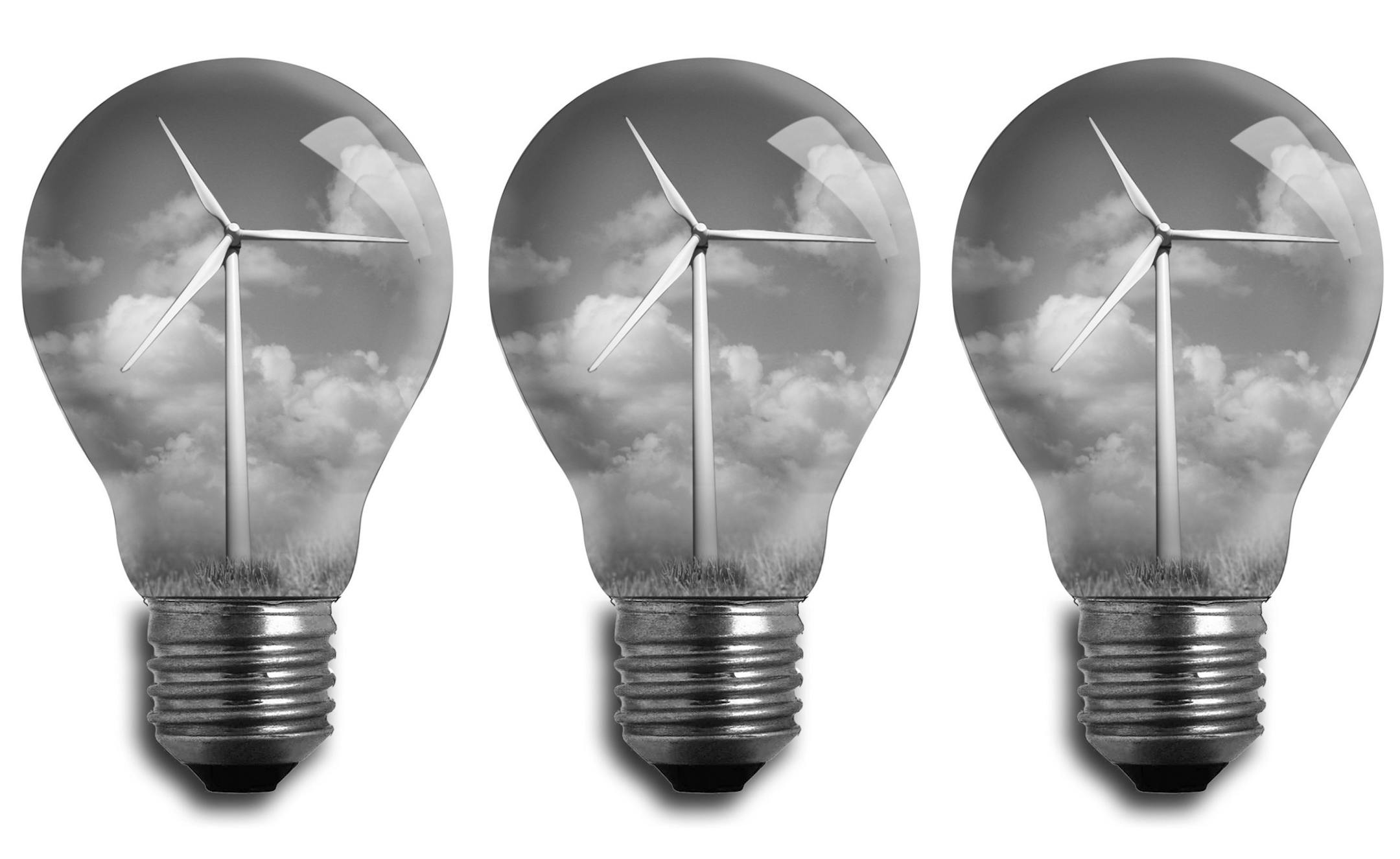
To move us forward, I authored a law designed to formulate a thoughtful path to make Minnesota the first state in the nation to transition to a 100 percent renewable-energy economy, eliminating use of fossil fuels.
Our first step was to commission an analysis of where to begin. That study was completed last December. It spelled out both challenges and opportunities.
The next step is to bring together consumers, utilities, labor and industry, environmental advocacy groups, and technical and scientific experts. Working together, we can develop a strategy and timeline that moves the state forward in a manner that protects the environment, creates jobs, and saves money for Minnesota families and businesses.
Through this stakeholder process, we will develop a clean-energy strategy for each sector of the economy: electric power generation, transportation, industry, agriculture, and heating and cooling. This initiative dovetails nicely with the Dayton administration's strong leadership on climate change.


