1:57
1:57Once again, one man has become the center of a legal firestorm over the constitutionality of Minnesota's sex offender treatment program.
On Wednesday, a federal judge ordered the state to conduct an accelerated review of Eric Terhaar, 24, also known as "E.T.," who was committed to state custody as a sex offender in 2009 — even though his offenses occurred before he turned 15 and he has never been convicted of a crime as an adult.
A panel of court-appointed experts has recommended that Terhaar be unconditionally released from the Minnesota Sex Offender Program (MSOP). But top officials at the state Department of Human Services, which oversees the program, say they oppose Terhaar's release — prompting U.S. Judge Donovan Frank to insist that the agency accelerate the case while expressing his own puzzlement at the conflicting opinions among state experts.
Terhaar's case has become the latest flash point in a prolonged debate over whether Minnesota is violating the Constitution by locking away sex offenders indefinitely — in many cases, after they have completed their prison sentences. The outcome of his review could determine the future of many of the roughly 690 people confined at MSOP treatment centers in Moose Lake and St. Peter, including 52 men with no criminal histories.
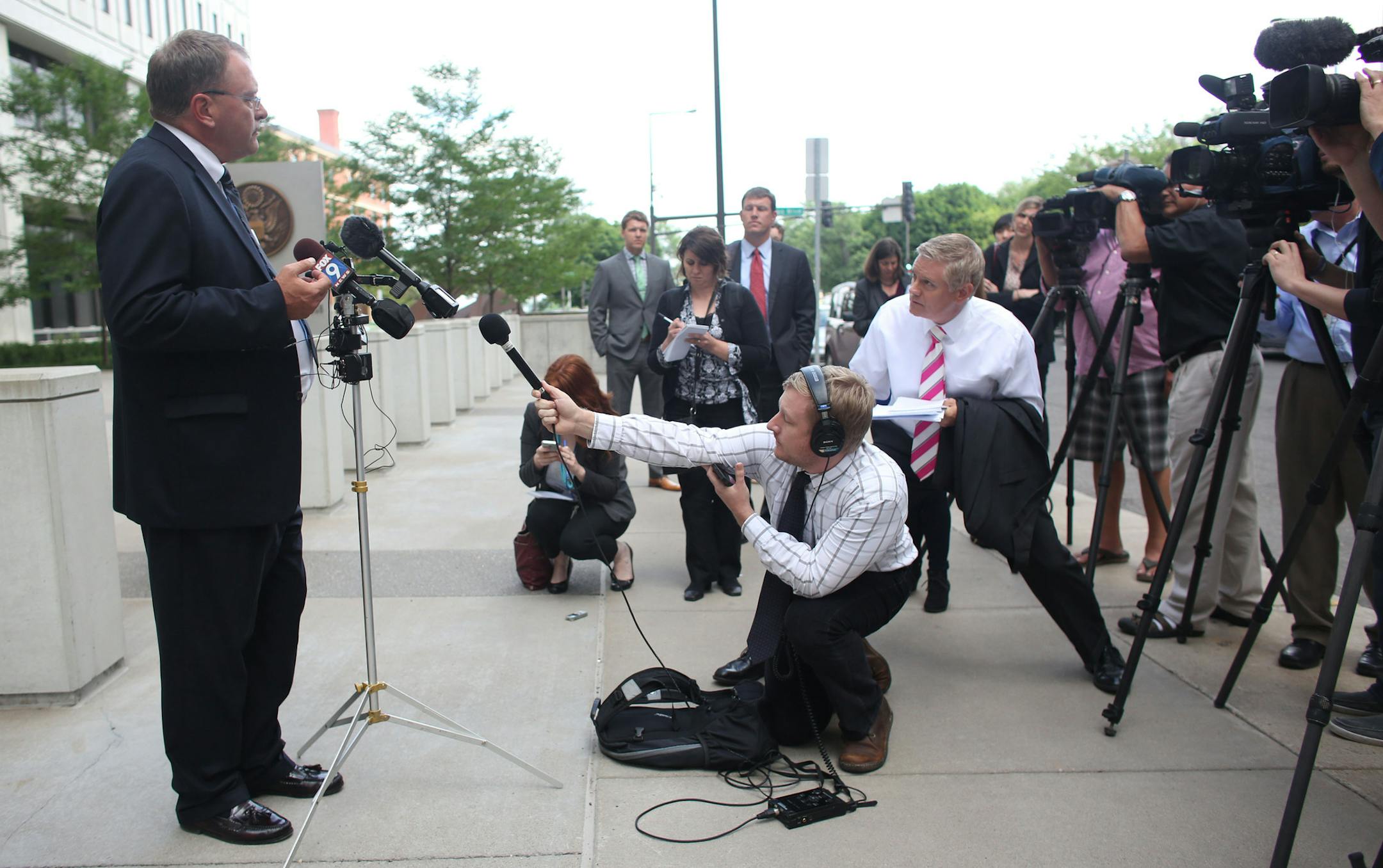
In a courtroom packed with state officials, attorneys for the Human Services Department argued for Terhaar's continued confinement while trying to explain the contradictory opinions by experts on whether he poses a risk to the public.
In a confusing twist, two MSOP doctors this month wrote a report opposing Terhaar's transfer to a less-secure facility, while a panel of four court-appointed experts said he should be released immediately.
Noting this contradiction, Frank forced the issue by calling for a two-day evidentiary hearing in mid-July on Terhaar's case, as well as the case of a woman confined at MSOP. Frank indicated that he could make a ruling on their cases at the hearing or soon afterward.
Attorneys for Terhaar applauded the expedited process. It brings Terhaar a significant step closer to release, which would make him just the second person conditionally discharged from MSOP in its 19-year history.