

Tax reform has trod a tortured path at the 2013 Legislature. But the right kind of reform — lower the rates, broaden the base, close the loopholes, avoid hidden tax "pyramids" — emerged in the Senate on Thursday, reviving hope that a tax system better suited to the 21st century yet could become law this year.
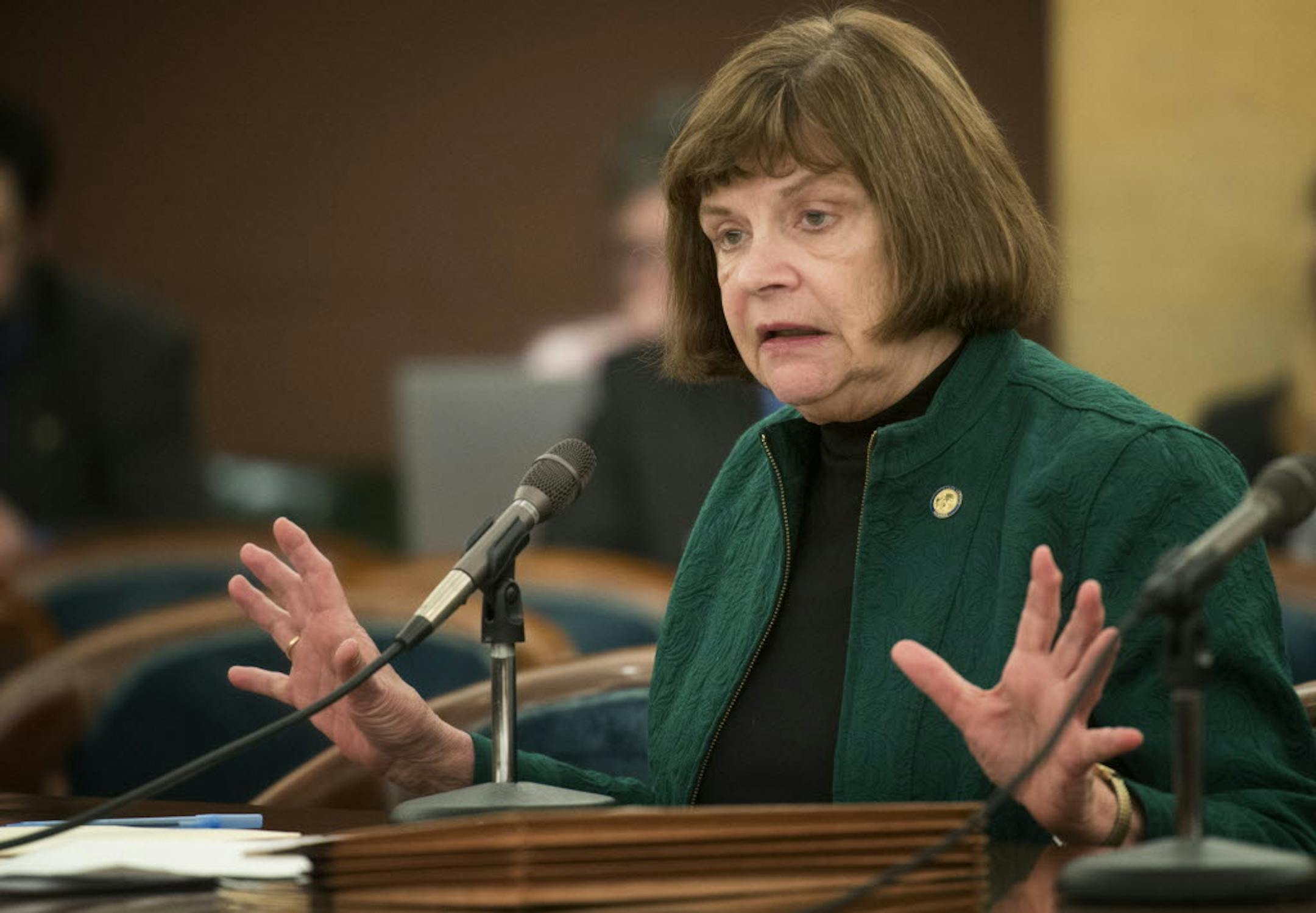
Senate Tax Reform Division chair Ann Rest has fashioned a package of changes in sales and corporate income taxes that's laudably ambitious. But she avoided the broad overreach into business services that felled Gov. Mark Dayton's tax reform proposal earlier this year.
Dayton seemed to lose interest in tax reform after his plan hit a wall of opposition. We hope he's recovered sufficiently from those bruises to give the Senate's approach a hard look. It includes features that tax reformers (and this newspaper) have recommended for years to improve the state's competitive position and stabilize an overly volatile revenue stream. They include:
• A lower sales tax rate. Rest's package sets the rate at 6 percent (including the tax earmarked for natural resources and the arts), down from 6.875 percent today. That would move the rate from 17th-highest in the country to 36th, according to a 2011 Tax Foundation ranking.
• A broader sales tax base, reaching a bigger share of the purchases made in a modern economy. Included are digital books, music and videos, over-the-counter drugs (unless prescribed by a doctor), personal grooming services, athletic instruction, auto and machinery repair — and the big one:
• A sales tax on clothing. Minnesota is one of only four states that does not include clothing in its sales tax base. It's an obvious way to bolster and stabilize state revenues without sustaining major competitive damage. Rest would spare lower-income Minnesotans with a refund of the clothing tax that adjusts for both income and family size.
• A sales tax exemption for local governments, breaking the illogical cycle of local governments taxing property owners to pay state sales taxes so that the state in turn can provide local property tax relief. Business purchases of capital equipment are also made exempt from sales taxes at the time of purchase, rather than via a clumsy and costly refund.
• A sales tax collection requirement for more online sellers. States have limited ability to force online retailers to collect the sales taxes owed on their sales. But where Minnesota can act, it should.


