

Taxes on clothing, over-the-counter drugs, and even dance lessons and tattoos could be back in play at the Capitol as Minnesota Senate DFLers continue to look for ways to raise revenue and reform the state's tax system.
The Senate plan, released Thursday, resurrects pieces of a controversial tax proposal abandoned earlier this year by Gov. Mark Dayton. It would broaden the sales tax but also lower the overall rate to its lowest level in decades. Corporate income taxes would be trimmed, and the plan includes a yearly rebate for lower-income Minnesotans hit hardest by a clothing tax. Similar to a proposal in the House, the Senate package has a sports memorabilia tax to help pay the state's share of the new Minnesota Vikings stadium.
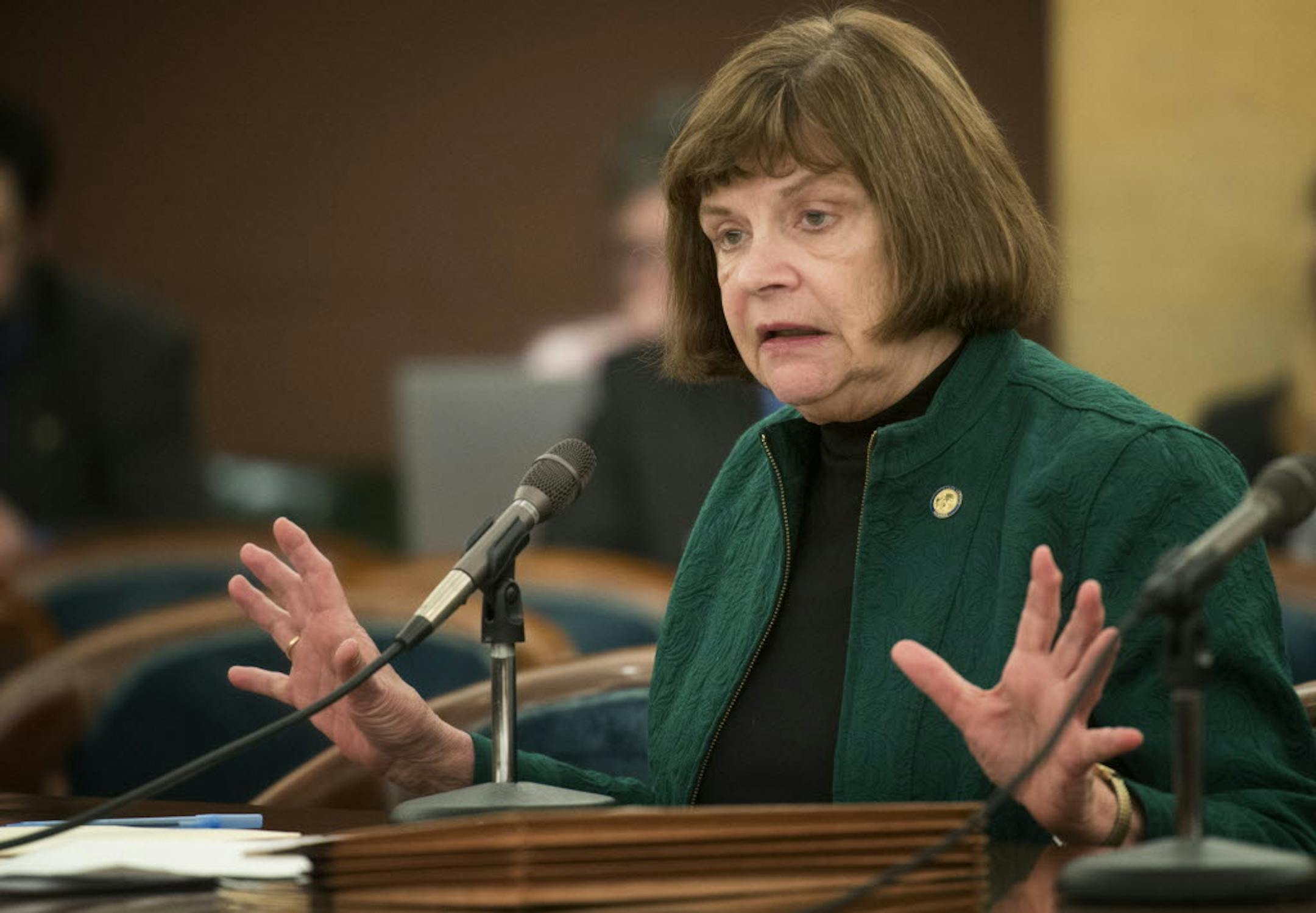
"We think his [Dayton's] policies and principles were absolutely in the right direction. They were bold and thoroughly vetted," said Sen. Ann Rest, a New Hope DFLer who is chairwoman of the Senate Tax Reform Division. "We hope to convince him this is the right time for reform and that Senate Democrats will stand firm with him in going that direction."
Dayton has since backed a much more modest plan that focuses mostly on raising income taxes on the state's wealthiest wage-earners. And while he seldom tries to snuff out legislative proposals early in the process, Dayton staffers said Thursday that he will not embrace crucial components of the Senate's tax overhaul.
"We don't have any interest in the sales tax piece," said Bob Hume, a Dayton spokesman.
Republicans say the state has enough money to meet its obligations and even allow a modest increase in spending. They say the tax overhaul is a thinly veiled job crusher.
"The problem is they are trying to grow government by more than 8 percent," said Sen. Dave Thompson, the highest-ranking Republican on the Tax Reform Division. "To do that when Minnesotans are struggling, I think that's a tough sell."
The DFL-led proposal would lower the sales tax rate by nearly 1 percentage point, to 6 percent from 6.875. That could save Minnesotans $1.1 billion over the next two years.


