

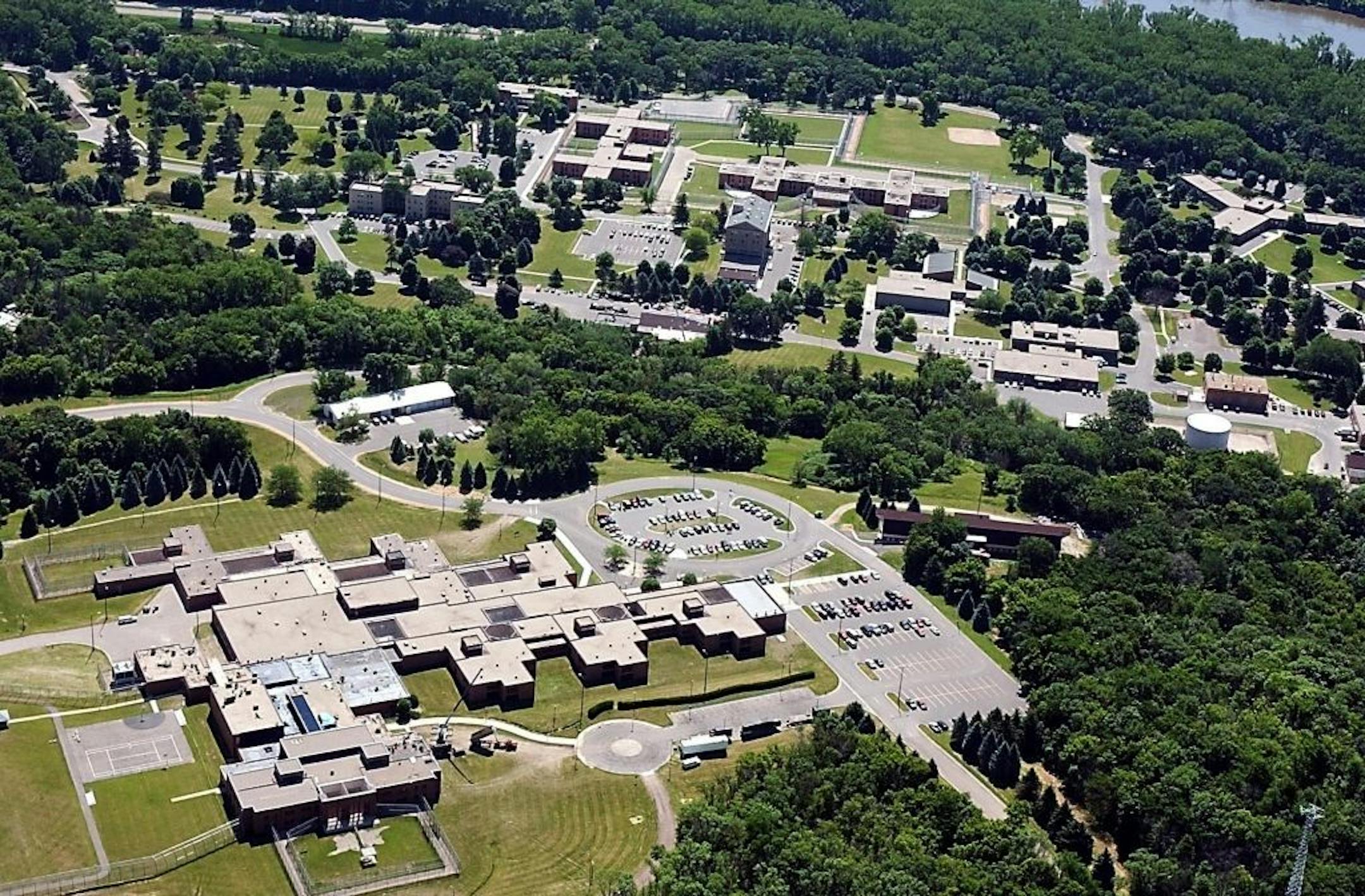
Transforming the culture inside Minnesota Security Hospital is a complex and difficult mission, but I believe we are moving in the right direction.
Our goal is to create a culture of empathetic, constructive engagement between staff and our patients.
We are working to make Minnesota Security Hospital more effective in treating approximately 380 patients — those committed as mentally ill and dangerous, those not competent to face criminal charges and those being treated at the Forensic Nursing Home.
We learned recently that the hospital's conditional license will be extended for another year, until December 2014. While that might not sound like good news, I for one welcome the continued oversight as we work on the tough challenge of changing Minnesota's only secure treatment facility for people committed by the courts as mentally ill and dangerous.
When I started as the hospital's medical director in January 2012, I found an atmosphere of fear among both employees and patients. Our license had just been put on conditional status, and there was turmoil about the way things were being done and the changes that would be required.
We have addressed many of the problems originally cited by licensing officials. Our license was made conditional in 2011 because patients were being put in restraints and seclusion too often. This was at the root of the licensing officials' finding of abuse of vulnerable adults. The focus of the hospital's management had shifted away from treatment to enforcement of rules and consequences.
None of our current licensing issues have to do with overusing restraints or seclusion. We have significantly reduced use of these tactics since last July, and our goal is to eliminate the need for these interventions by training staff and effectively engaging our patients in treatment. We are also making progress in reducing staff injuries, patient injuries and the use of our emergency response system.
While we made great efforts to back away from overly aggressive interventions, we have since had to make a course correction and better understand when we do need to intervene. I believe we have made significant progress and are now much closer to the appropriate balance.


