

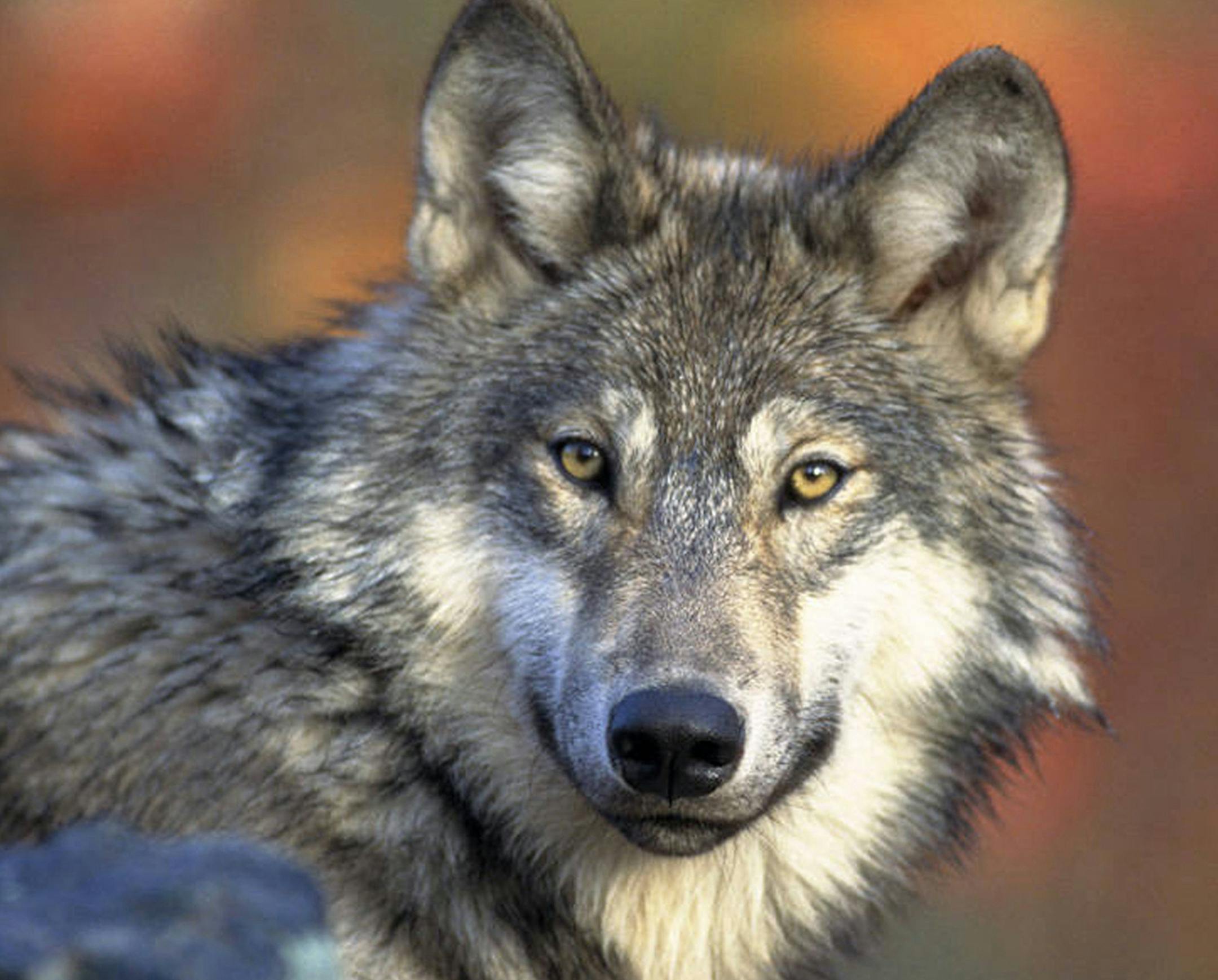
Minnesota's second-ever wolf season has closed — more than a month early — after hunters and trappers killed a total of 237 wolves, 17 more than the target harvest set by the Department of Natural Resources.
Early snow, which helped hunters and trappers locate wolves, and perhaps experience gained from last year's inaugural wolf season might have helped them hit the DNR's harvest targets more quickly than last year. The late wolf season was closed Saturday after just 29 days, compared to 41 days last year.
"I think it had to do with people getting started [hunting and trapping] sooner, and conditions maybe helped that, " said Dan Stark, DNR wolf specialist.
The late season was to run until Jan. 31, or until the 220-wolf target harvest was reached. Officials aren't concerned that the quota was exceeded by 17 wolves because they say the target goals are just that — targets and not absolute numbers.
"Overall the season was successful, " Stark said. "We set the target harvest at a conservative and sustainable level. The wolf season isn't intended to move the population up or down, just to allow a sustainable harvest."
The DNR will evaluate the results from this season, including the age and sex of the harvested wolves, and will make a new state wolf population estimate based on observations of radio-collared wolves this winter.
"We'll evaluate the population status to make a decision on next year's season," Stark said.
The wolf season is divided into an early hunting-only season, which coincides with the firearms deer season, and a late hunting and trapping season. Eighty-eight wolves were killed in the early season and 149 wolves in the late season. Trappers accounted for about 76 percent of the late-season kill.


