The busy season has begun in earnest for Don Nelson of the Minnesota Department of Natural Resources.
Nelson is the area wildlife supervisor for the 27,500-acre Whitewater WMA (Wildlife Management Area), the state's fifth largest unit, in Winona, Wabasha and Olmsted counties.
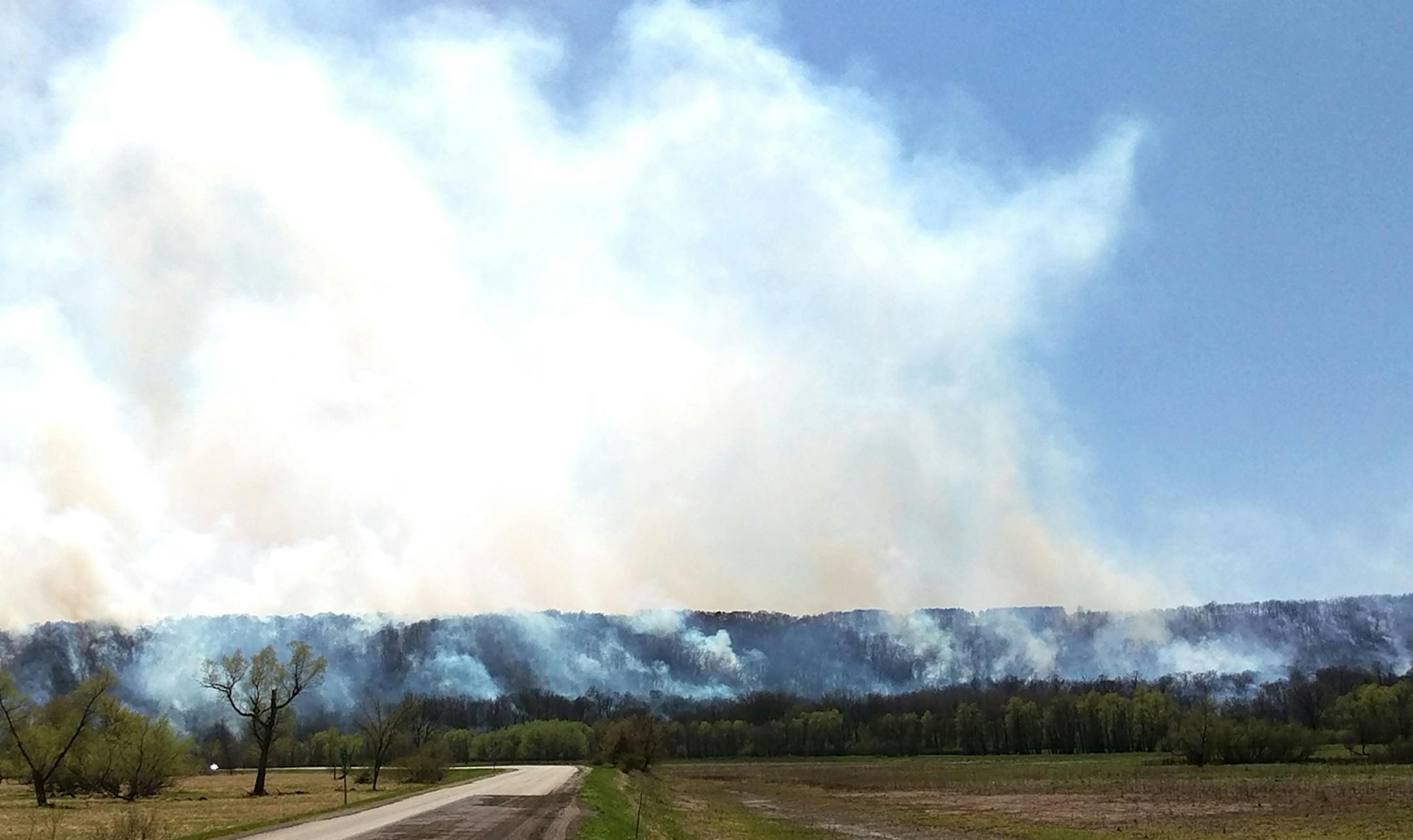
"We have a lot of balls in the air this time of year," Nelson said. "We're getting the parking lots mowed and ready and the boundaries posted for the upcoming hunting seasons. This last week I've even been monitoring a couple of timber management sales, and our habitat management work continues and is ongoing. You don't know what's going to crop up from one day to the next, but it keeps things interesting."
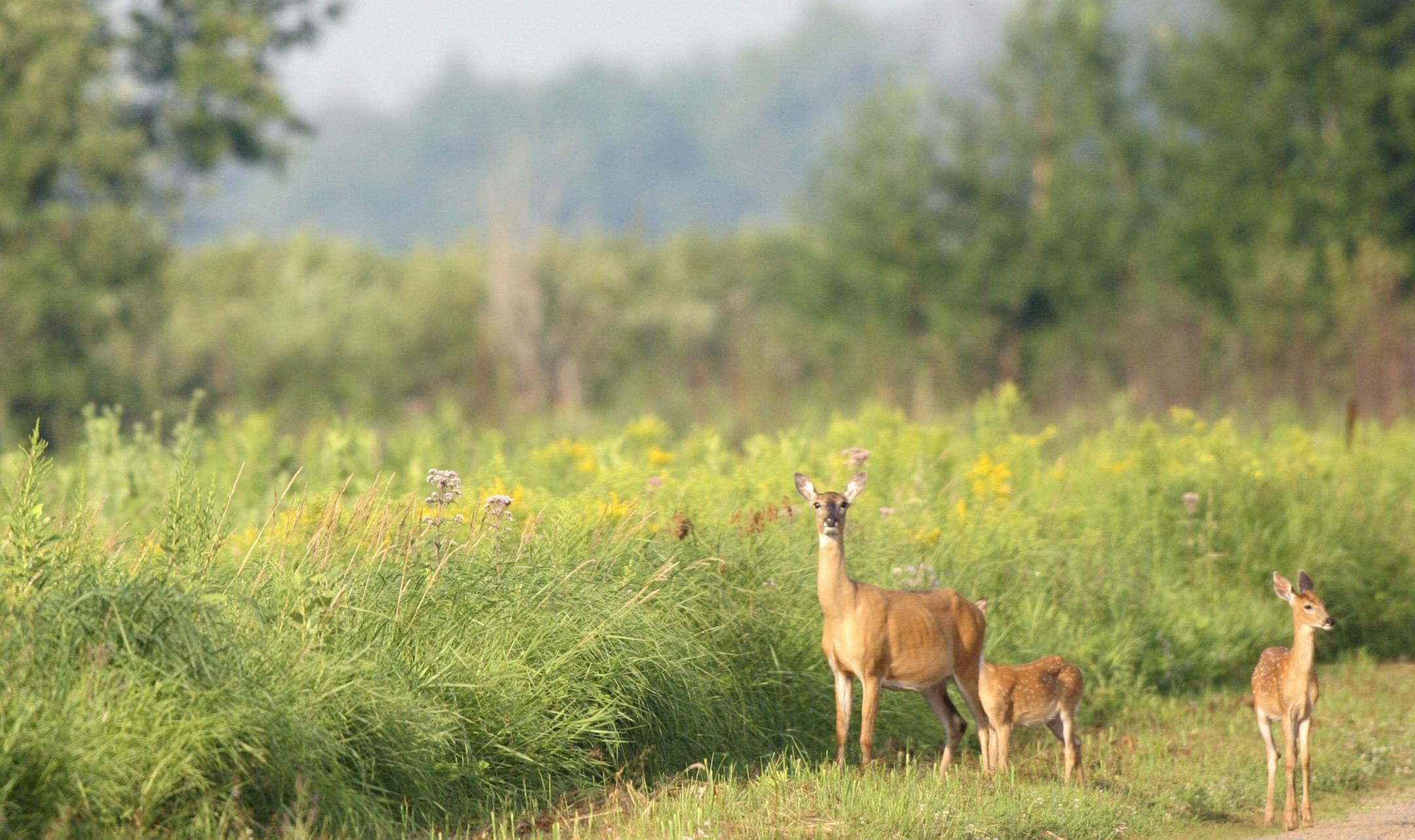
Started in 1951 to address the dramatic loss of wildlife habitat, the Minnesota WMA system has roughly 1,500 units of more than 1.3 million acres. Such state areas are formed to protect "those lands and waters that have a high potential for wildlife production," according to the DNR, and are open to public hunting, fishing, trapping, hiking and other activities such as wildlife-watching. The system includes a diversity of habitat types: prairies and wetlands, forests and brush lands. Of Minnesota's 87 counties, only Ramsey doesn't have a WMA.
"Our system is one of the best and one of the largest in the country for state wildlife lands," said Kim Hennings, Minnesota DNR wildlife land acquisition coordinator. "It's the backbone of our wildlife management efforts and benefits a whole range of wildlife species. During the hunting season, WMAs get heavy, heavy use."
More acres added
This year, an additional 5,041 acres have been added to WMAs in 22 counties, according to the DNR. That expansion includes three new WMAs. Several partner organizations (Pheasants Forever, Ducks Unlimited, the Minnesota Deer Hunters Association, the Natural Conservancy and more) helped acquire the new acres, of which 70 percent are in the state's pheasant range.
"State taxpayers get a great deal for dollars that are spent on WMA acquisitions," said DNR Commissioner Tom Landwehr. "That's because conservation-minded groups and individuals who partner with the DNR add a tremendous amount of local expertise and financial muscle that stretches public funding much further."
Wildlife management areas are paid for in numerous ways, including the $6.50 surcharge on small-game hunting licenses, Henning said. In addition, bonding funds, money from the purchase of critical habitat license plates, and other state sources have been used to buy WMAs.