

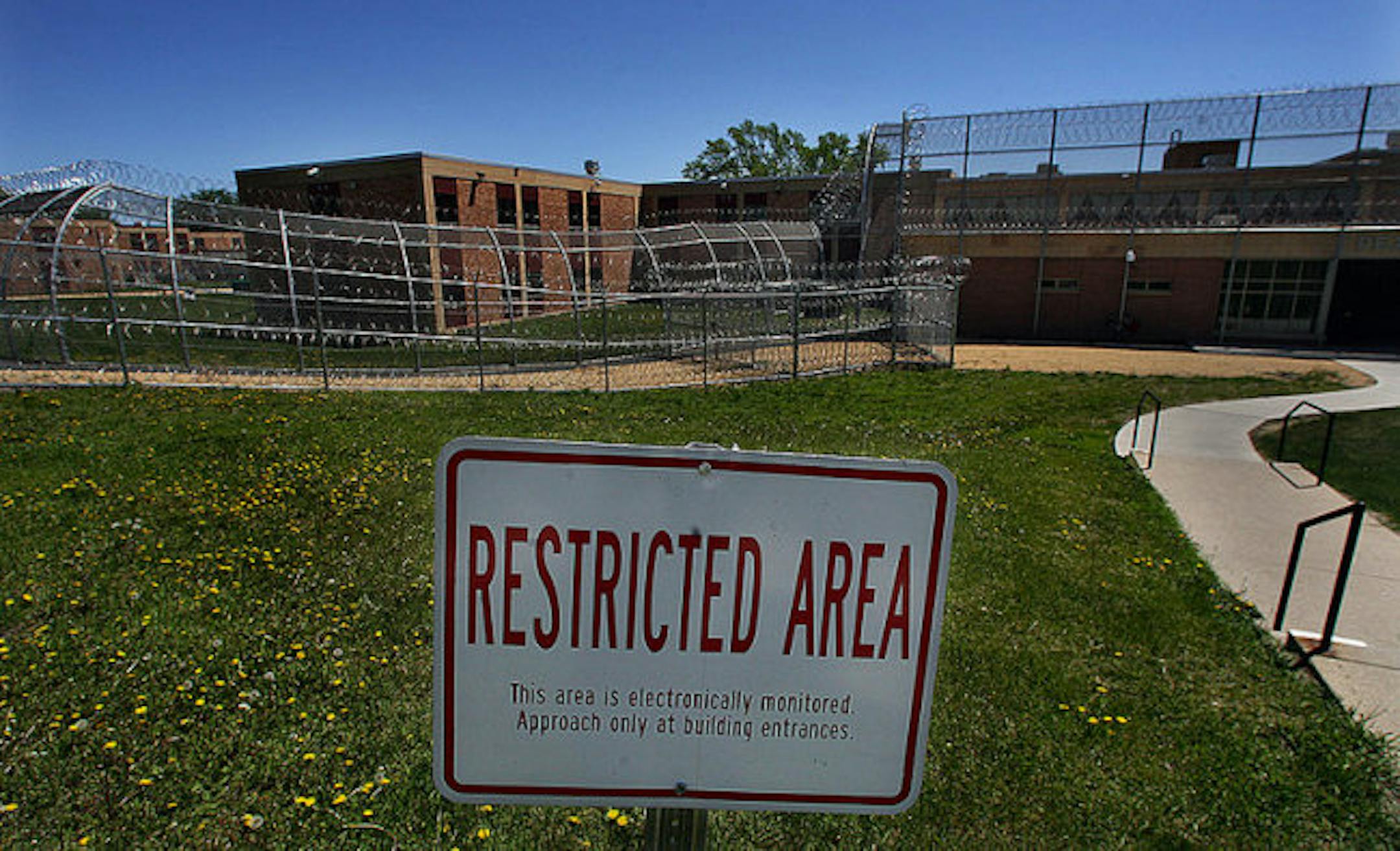
It was the public's understandable fear of sex offenders that led 1990s Minnesota lawmakers to create the controversial state program that locks up these criminals for years, even decades, after they've served their sentences.
But a different and completely inexcusable kind of fear — trepidation about "soft on crime" political attacks — is preventing a new generation of legislators from enacting sorely needed reforms even as the Minnesota Sex Offender Program's costs soar and as the federal courts send unsubtle signals about the program's dubious constitutionality.
While the Senate managed to pass modest reforms with bipartisan support this session, legislators in the House failed to join Senate colleagues in signaling watchful federal judges that the state takes their concerns seriously and is taking steps to address them.
House lawmakers instead chose to play chicken with the federal court, essentially daring it to exercise its authority to order changes or even take over the program, by failing to bring even a version of the Senate's modest legislation to a floor vote. This dereliction of duty, for which both political parties deserve blame, blew what may have been the best opportunity to date to finally begin addressing the program's thorny problems.
"House leaders did not want to do anything that could be perceived to cause a political liability for them. I think the DFL majority was thinking that way, and the Republicans are anxious to make a political fight over anything to get to their majority back,'' said State Sen. Warren Limmer, R-Maple Grove. Limmer voted for the Senate legislation (SF1014) and is a member of a court-mandated state task force on the sex-offender program.
"This is not an issue that politicians should turn into a political playing field, because the consequences if we continue to do nothing are very dire,'' he said.
If there ever was a year in which the conditions were right to reform the program, 2013 was it. There was no fall legislative election looming. There was widespread agreement on the need not only to act, but to move some offenders into less-restrictive, less-costly settings, as many other states have done successfully.
In-depth studies of the program, such as a 2011 report by the respected Office of the Legislative Auditor, and the work of a bipartisan task force led by former state Supreme Court Justice Eric Magnuson, have been invaluable in building the case for a network of alternative treatment centers. The Dayton administration's welcome openness to reform also spurred momentum.


