

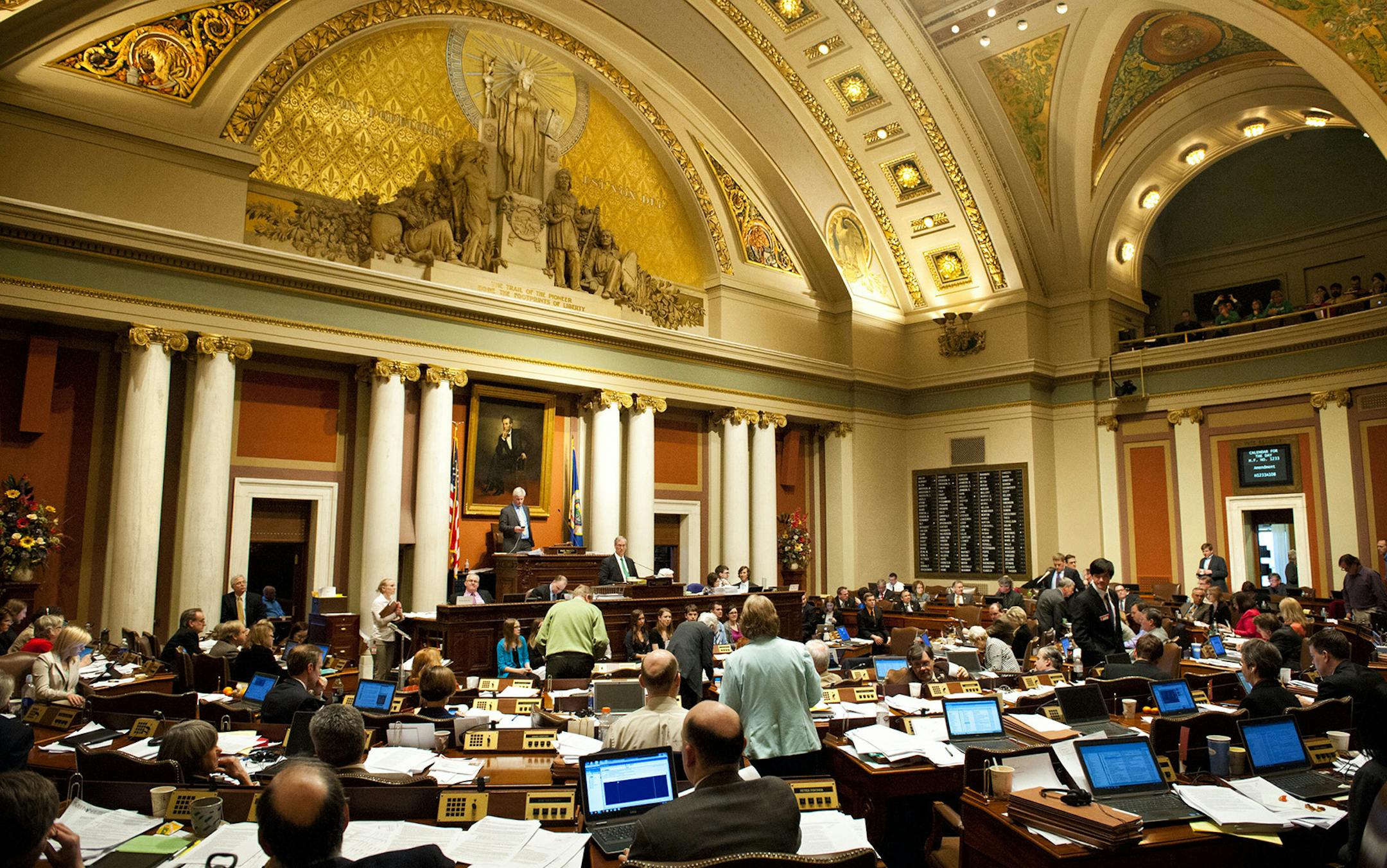
The 2014-15 Minnesota budget is set — or it will be when Gov. Mark Dayton affixes his signature to the last of the 10 omnibus tax and spending bills approved by 2013 Legislature before its regular session expired at 12 a.m. May 21.
This fiscal blueprint is the 21st to be enacted since the Legislature switched to every-year sessions 40 years ago. After some of those exhaustive (and exhausting) exercises, a short agenda remained for the nonbudget session in the following year. At times, governors, legislative leaders and even this newspaper have questioned the need for an even-year session.
This is not one of those years. Even if the budget stays set between now and the resumption of lawmaking on Feb. 25, a heavy workload awaits legislators in 2014. It does, that is, if legislators are serious about seeking to improve Minnesota's quality of life. Our to-do list includes these items:
• Bonding: This traditional work of the even-year session is uncommonly urgent in 2014. Low interest rates — the residue of the Great Recession — won't last forever; construction costs are already climbing. But the last several Legislatures have acted as if they were oblivious to the discount the recession offered.
The bonding bill enacted last week totaled $176 million — meager as these things go — and was dominated by the State Capitol's need for $109 million for the next phase of its renovation. Left undone is a long list of projects badly needed to create affordable shelter for the homeless, repair unsafe bridges, prevent future floods and water pollution, enhance civic life in regional centers, improve educational quality on college campuses and ease crowding in correctional facilities.
Much of the work required to assemble a bonding package was done this year in the House. What was lacking were enough Republican minority votes to achieve the 60 percent majority that bonding requires. Minnesotans who care about items on the bonding list have work to do in the next nine months to round up more GOP support.
• Transportation: Advocates for a boost in both highway and transit funding encountered an unexpected roadblock this year in the governor's office. Dayton asked eager legislators to put on the brakes until his administration had time to consult with the public and assemble a comprehensive package that would serve the whole state and enjoy more political buy-in than it would have today.
We admire Dayton's desire to secure Minnesotans' backing. But we hope he doesn't take too long. Minnesota's transportation needs are growing fast. Unsafe state highways — Hwys. 14 and 52 spring immediately to mind — are taking a painful toll. An aging population needs better transit service to keep contributing to society. And for a number of good reasons, including environmental protection, Minnesotans need more mobility options that don't involve driving.


