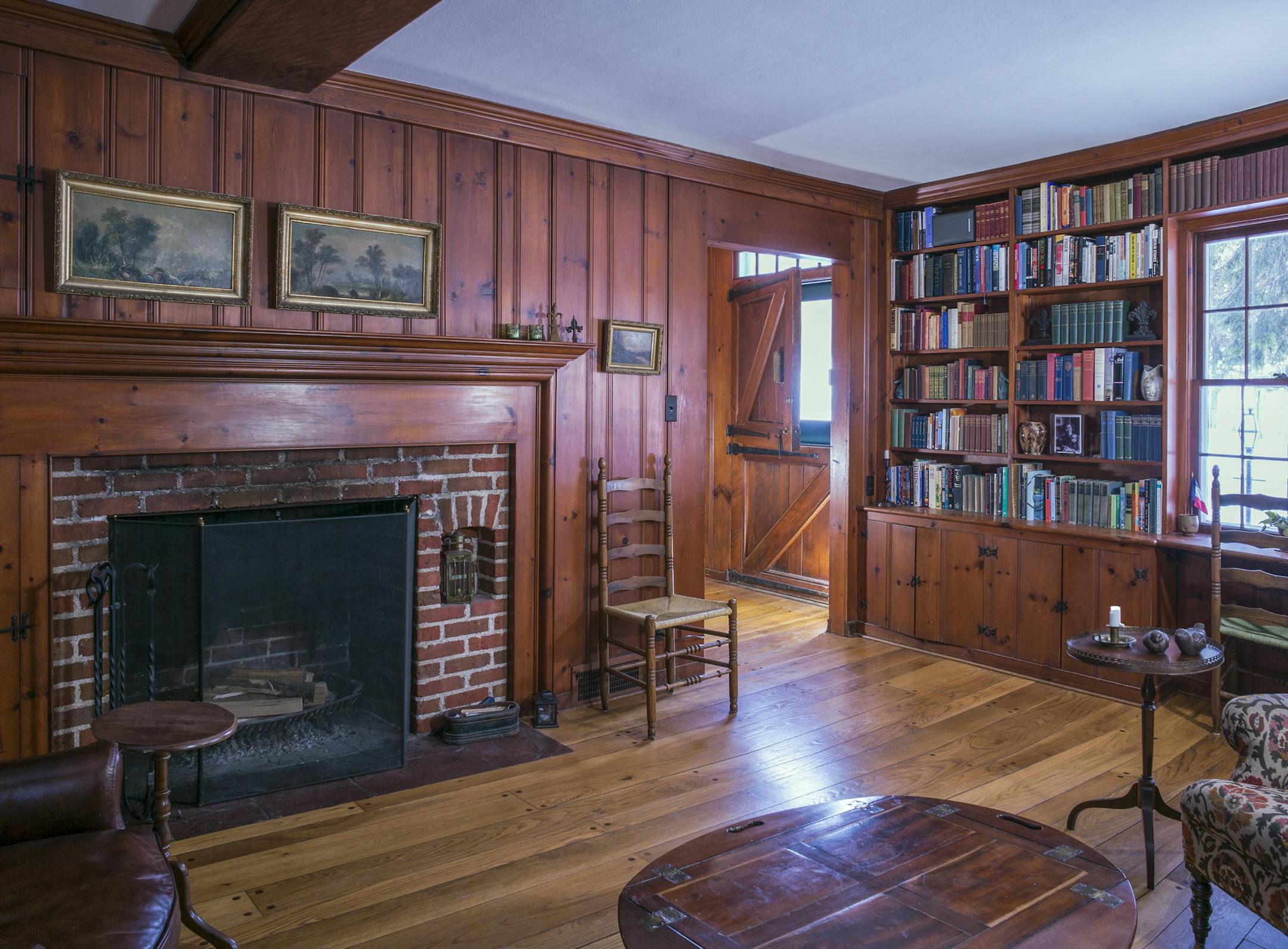
Back in the 1940s, when Minnesota's movers and shakers wanted to build a rustic yet upscale cabin on the North Shore, their go-to guy was Edwin Lundie.
"He was the sought-after architect of the day," said Peter O'Toole, author of a recently published book about Lundie and his work.
The architect's cabins, country estates and city houses were distinguished by their Old World character — gables, beams, traditional materials and artisan details, such as hand-finished woodwork and forged hardware.
"His clients preferred traditional styles," said O'Toole, and Lundie delivered, designing stately Colonials and Tudors, quaint Cotswolds and Scandinavian-inspired lake homes.
Lundie was well respected throughout his long career, but today, his classic aesthetic doesn't carry the cachet enjoyed by some of his more modernist peers, including Frank Lloyd Wright.
"Everyone feels Lundie has been overlooked, overshadowed by the modern movement," O'Toole said. "There's no reverence given to the traditional architecture, but it still resonates with people."
Including O'Toole. He lives in an authentic Cape Cod that Lundie designed in 1937. It's smaller than the large homes Lundie designed for wealthy clients. Its original owner was a single woman, Kathryn Spink, executive secretary at First National Bank, who commissioned Lundie to design a modest home for her on a narrow lot in St. Paul. The house's footprint is just 856 square feet, but it's packed with signature Lundie features, including an oversized fireplace and built-ins.
"His floor plans were so efficient," marveled O'Toole. "He was the original 'Not So Big House' " architect, decades before Sarah Susanka popularized the term in her series of bestselling books.