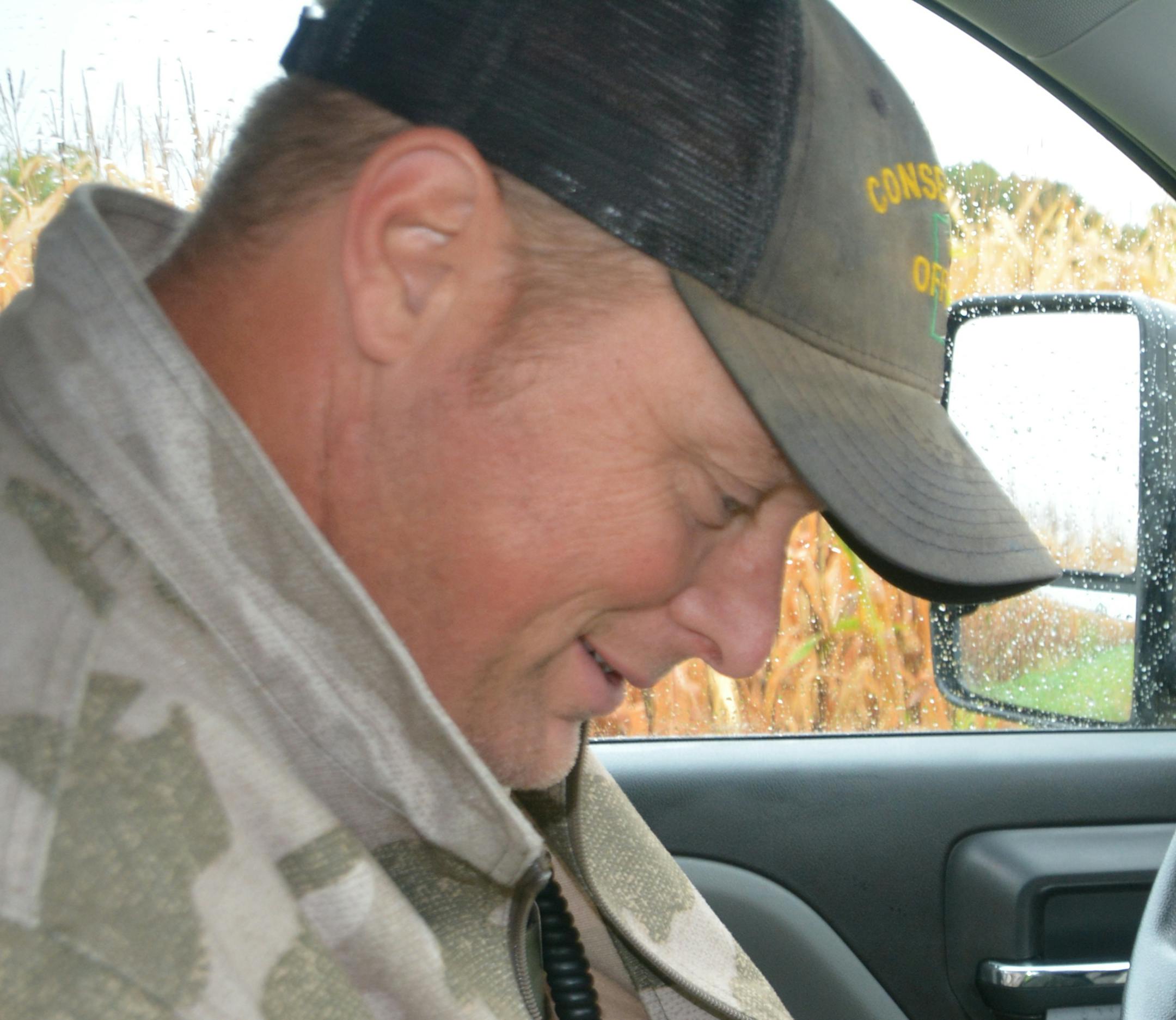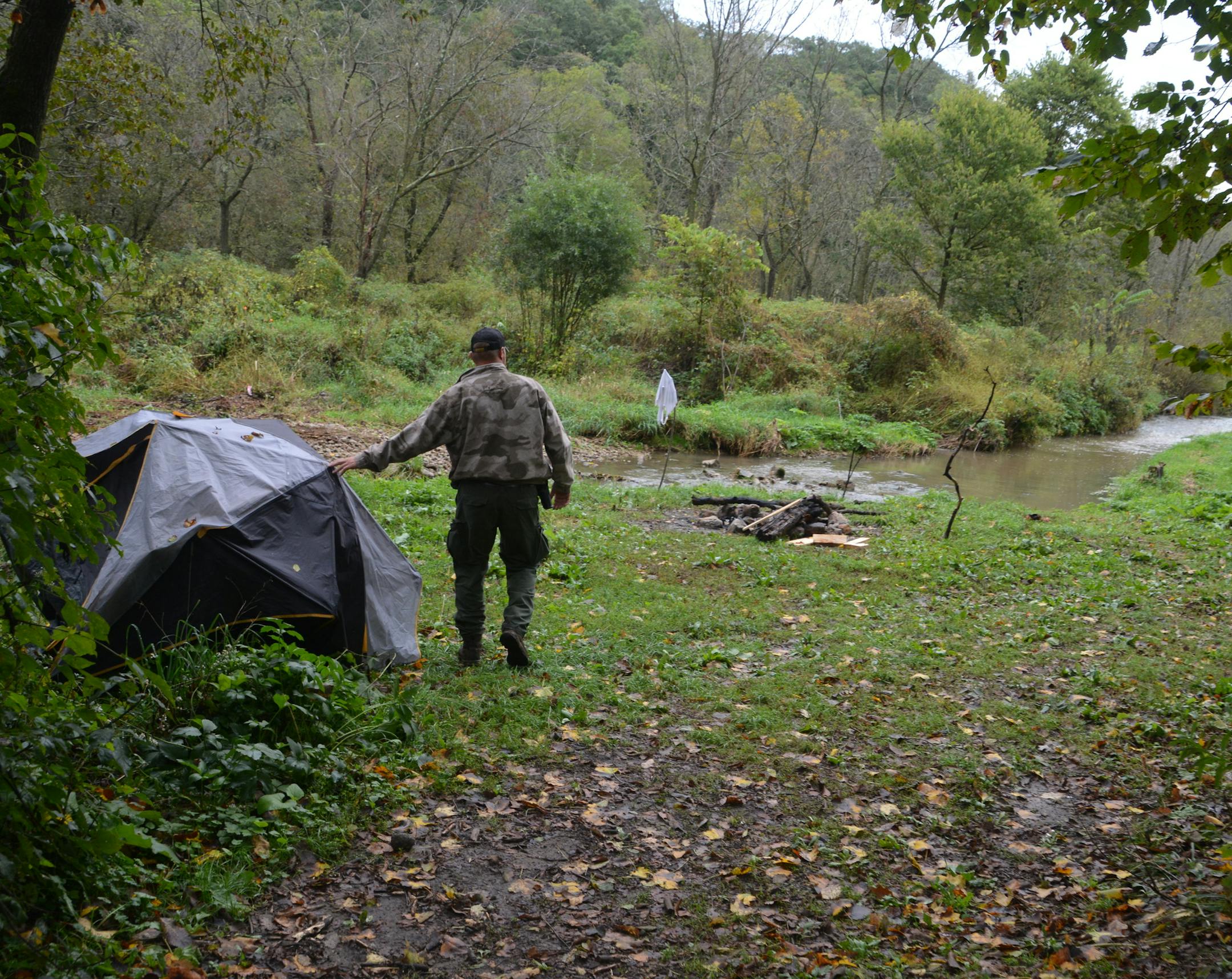
RUSHFORD, MINN. – The telltale sound of a shovel scrape drew Department of Natural Resources conservation agent Mitch Boyum up a hill and deeper into the southeastern Minnesota forest. A sloped tract of privately owned land marked with no trespassing signs, the spot was overgrown, nearly inaccessible and a known repository of American ginseng.
Picking his way along an abandoned road cut through the heavy forest decades ago, Boyum could see two figures working the soil, their attention fixed on the green-leafed bounty at their feet.
"It's all over!" one of the men shouted to the other, joyfully tallying up the plants thriving in the shade. Moments later, Boyum busted the ginseng poachers and issued trespassing citations. It was all over, all right.
Relying on tips, reports from hunters, his own patrols and hunches based on a childhood spent growing up in the area, Boyum keeps an eye out for poachers each fall in the state's Driftless region, where steep valleys and soils rich in calcium and other nutrients give life to a wild crop of ginseng, otherwise known as Panax quinquefolius.
The wild plant grows slowly, sprouting its signature five-leafed green stems and red berries by late summer before the diminishing daylight of autumn turns it yellow and drooping and ready for winter.
The panax part of its scientific name means "all-healing," and it's the belief in ginseng's restorative powers that has created a strong international market for wild American ginseng. A pound of dried root sells for hundreds of dollars; it can be grown commercially as well, but cultivated plants fetch lower prices.
The plant, once abundant in parts of Minnesota, is now a species of special concern and one of the native plants covered by the 1973 International Treaty for the Protection of Endangered Species.
Boyum, who has picked ginseng since he was a teen growing up in southeast Minnesota, said most diggers are local people he's known for a long time. "It's kind of like everything else — 90 percent of the ginseng harvesters don't do anything wrong," he said.