A popular river that feeds the Boundary Waters Canoe Area Wilderness was named one of the most endangered rivers in the country Wednesday by a national conservation group that creates the annual list to draw public attention to environmental conflicts.
The South Kawishiwi — a clean, cold river near Ely, Minn., that tumbles out of the BWCA and then back into it — is threatened by copper mining projects pending along its banks and on the doorstep of the BWCA, American Rivers said in announcing the new list.
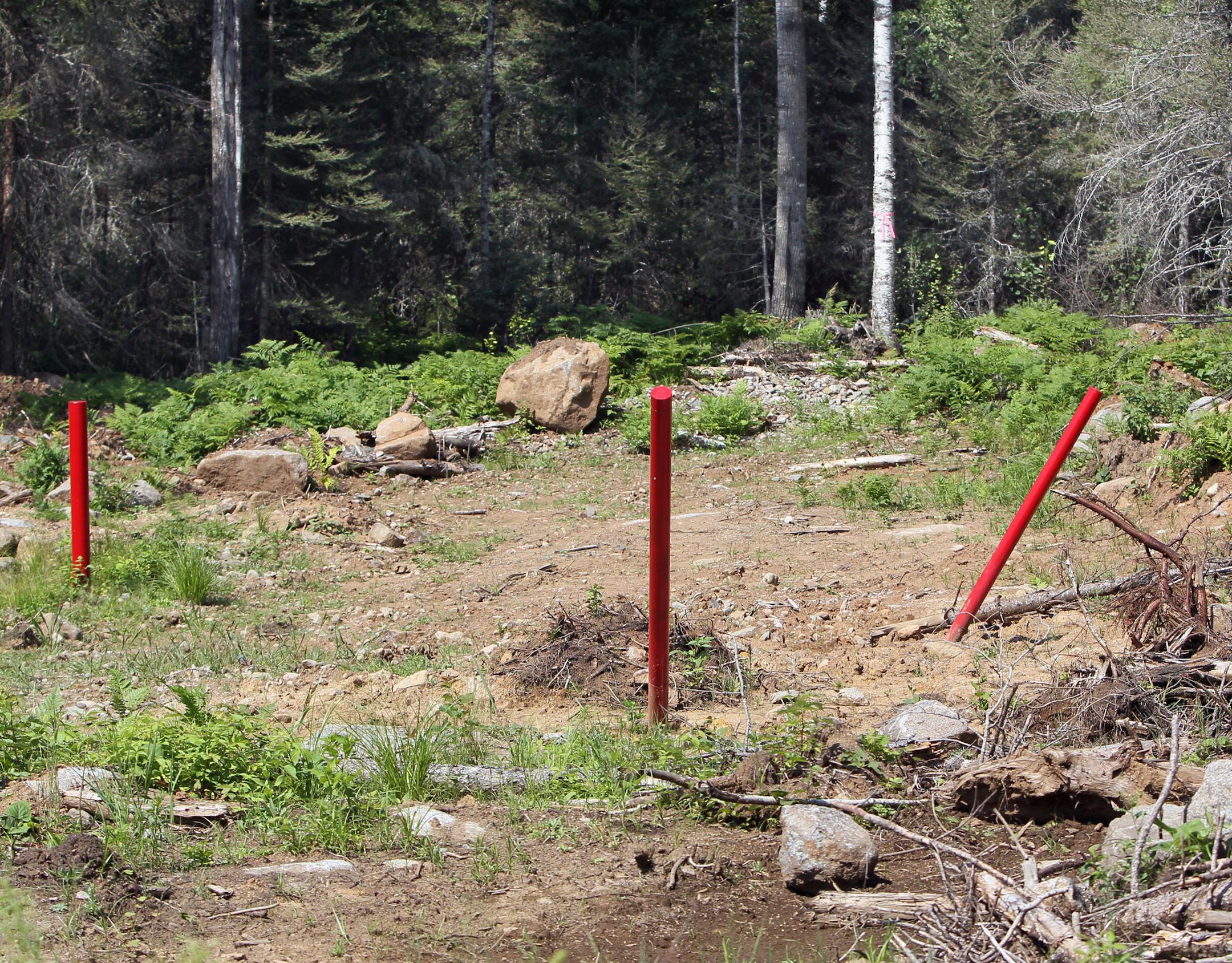
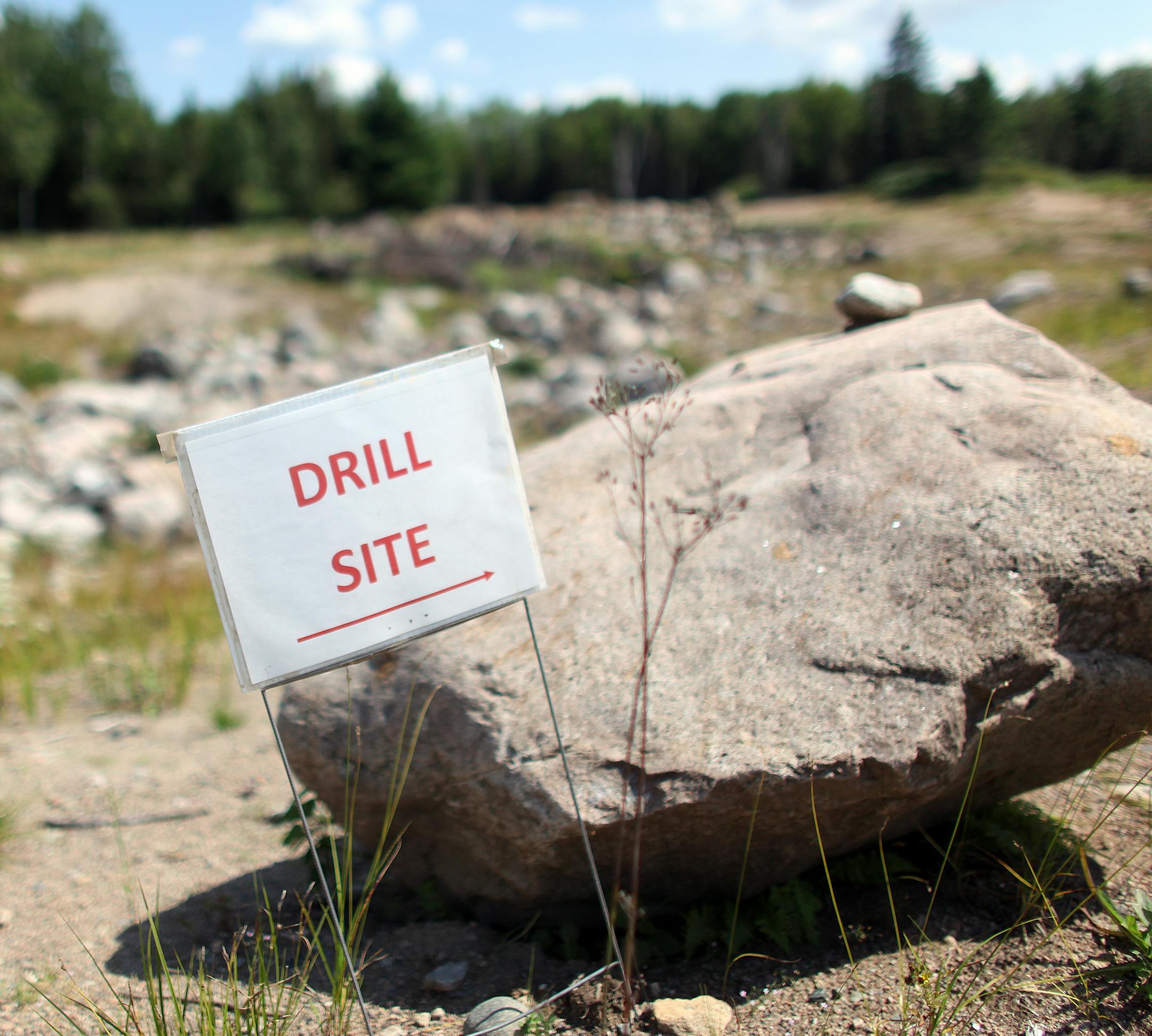
Twin Metals LLC, a joint venture partly owned by Duluth Metals Ltd. of Canada, has been conducting exploratory drilling on federal, state and private land in the area and plans to propose what could be one of the world's largest copper mines once it taps into an internationally significant body of ore that runs through northeastern Minnesota. A second project, PolyMet Mining Corp.'s open pit mine proposed for a site near Hoyt Lakes, drains into the St. Louis River and Lake Superior.
American Rivers said the BWCA and the Kawishiwi, sixth on the list of 10 rivers, "will be irreparably harmed" by acid mine drainage, which at other mines around the world has caused major environmental damage from sulfate and heavy metals that leach into local water.
The report, "America's Most Endangered Rivers," is "a call to action to save rivers that are facing a critical tipping point," said Jessie Thomas-Blate of American Rivers. "We hope citizens will take action to ensure a healthy Boundary Waters for generations to come."
Bob McFarlin, spokesman for Twin Metals, said the company plans to meet all state and federal environmental standards for the proposed mine, and that the project will undergo an extensive environmental review.
"The bottom line is that the BWCA is going to be protected. The company is committed to it and state and federal law demands it," he said.
Twin Metals has said it is still assessing its construction but that it plans an underground mining project that would reduce the footprint of the project and environmental risks. Waste rock will be stored underground, minimizing exposure to the elements and the runoff that pollutes the water.