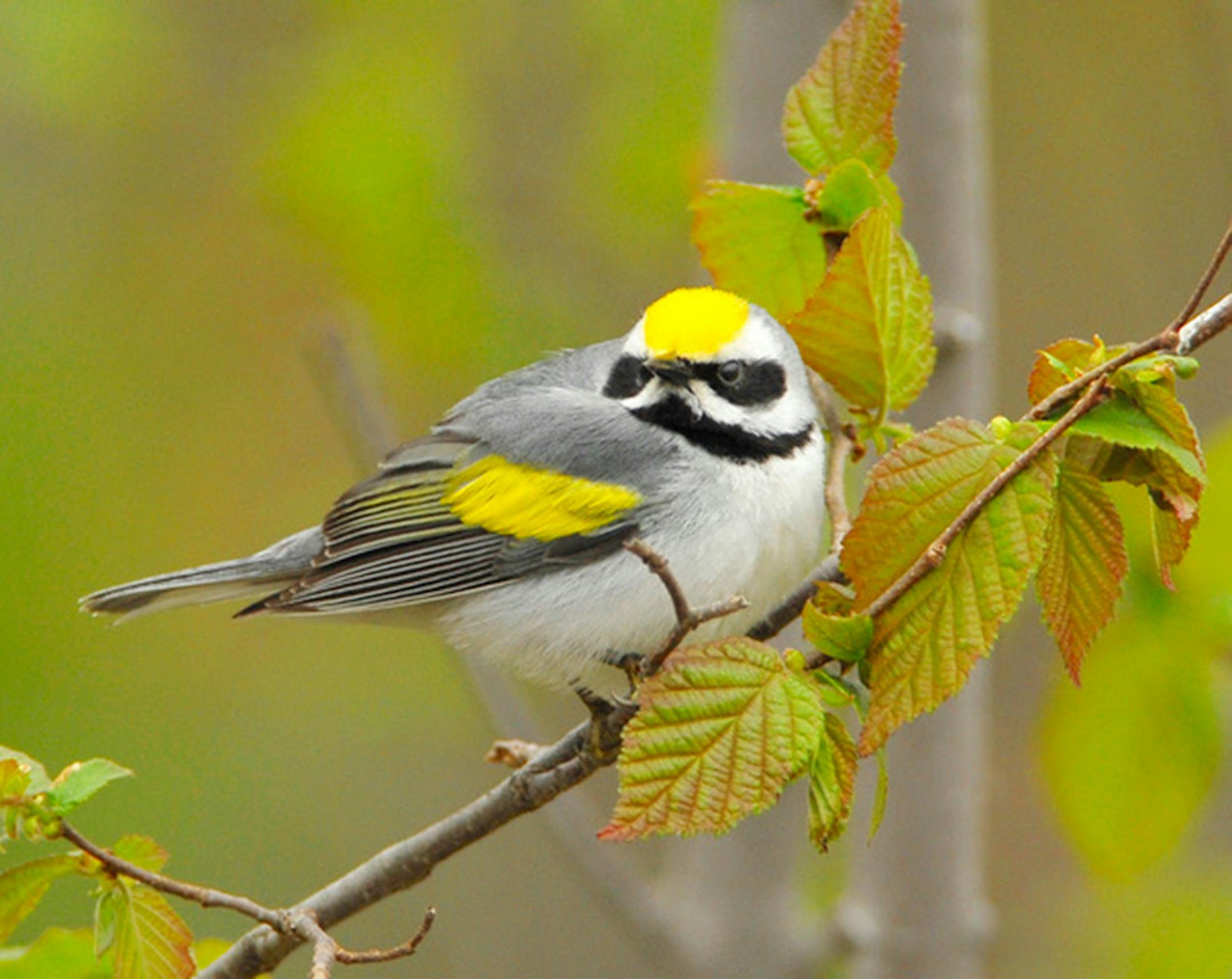
The golden-winged warbler left its nesting territory in Sherburne National Wildlife Refuge in mid-August, its destination an organic coffee farm in the mountains of Nicaragua.
It would take the bird 10 to 12 weeks to complete the trip. There is no breeding imperative in the fall. This trip would include the first of two crossings of the Gulf of Mexico, the round trip about 4,400 miles.
Spring migration takes four weeks or less, the goal to arrive on breeding grounds by an optimal date. The birds want the best chances for successful courtship, nesting, hatching, feeding, fledging. All of those vital activities have evolved to fit a tight schedule dictated by season.
But why not just stay in Nicaragua? It's always warm. There's food, no gulf, no rush. What's the attraction up here?
It's our explosive spring, according to biologists. When March warms to April, plants sprout, flowers appear, insects hatch. We offer a pantry so full that competition for food among birds is not a limiting factor.
If the warbler were to nest near that coffee farm she would likely raise only two chicks. There is no explosion of resource in Central America.
Resident nesting birds would compete with her for food. The warbler and her mate would work hard to feed their pair of babies.
In Sherburne County that same pair would raise a usual clutch of four chicks. Nesting birds here depend on a bountiful spring to raise larger families.