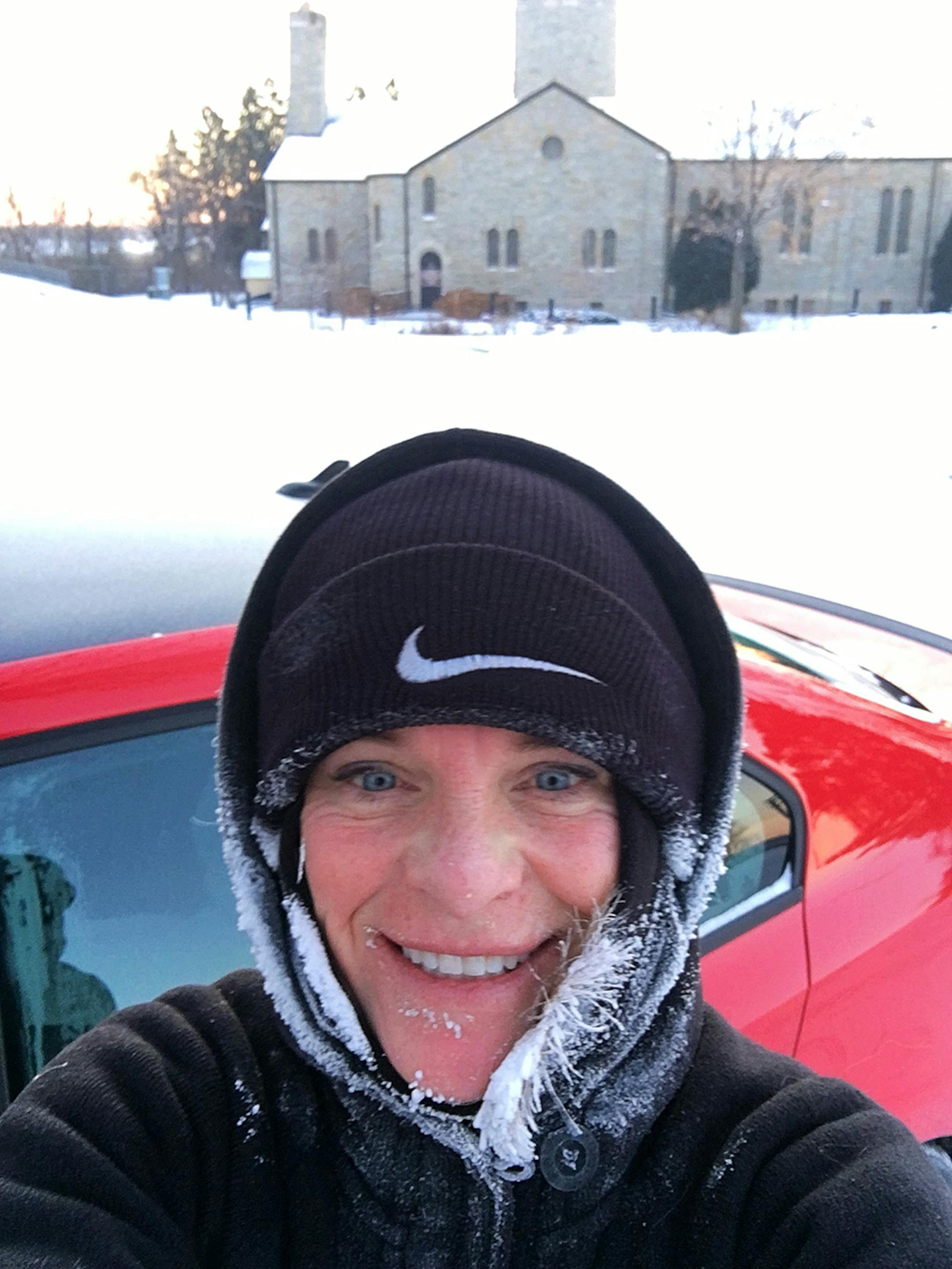
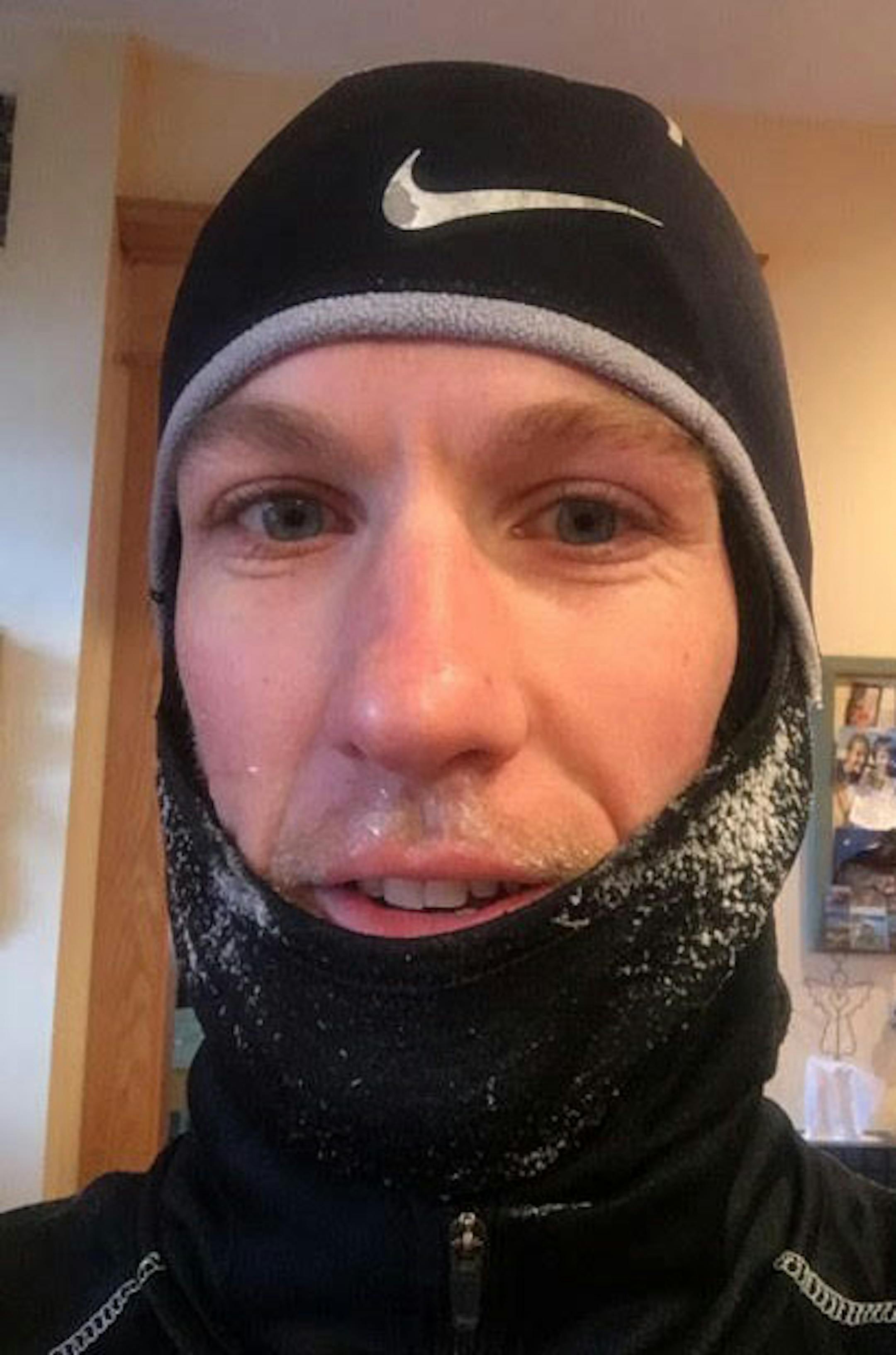
![Brave runner Keith Golke of Minneapolis resembles an icicle while jogging around Lake Calhoun Tuesday morning on the coldest day in Minnesota since 2004. While Golke admitted it was cold, "this is nothing," he said. "My record is 25 below zero." An Arctic blast has descended on much of the midwest causing temps to plummet with record breaking lows approaching minus 40 degrees in parts of North Dakota.] **FILE PHOTO** DAVID JOLES • david.joles@startribune.com Runners talk about their trick](https://arc.stimg.co/startribunemedia/R5WZRKC4MLQC5GFP2SXZTTPFE4.jpg?&w=1080)
There's a chapter in Ron Daws' 1977 book, "The Self-Made Olympian," titled Cold's Not So Bad. In four words of local dialect, he conveyed Minnesota runners' guiding philosophy. Daws, and before him, Buddy Edelen and Van Nelson, practically invented running in Minnesota, and by default, the art of winter running.
In true pioneer spirit, Daws eschewed "fancy and expensive" gear in favor of thrift store clothes and DIY projects. "I buy a pair of oversized wool slacks at Goodwill, then wash and dry them so they shrink to fit. This tightens the weave and keeps out the wind. Unless it is very cold or windy, this is enough on my legs. If not, I wear old pajama bottoms underneath." Years before advanced tech fabrics, Daws' answer to a wicking base layer was a cotton string T-shirt. On top of that, one or two turtlenecks and a windbreaker. "At minus 30-50 windchill, I might wear another T-shirt."
He counseled against ski masks because they were hard to adjust, and suggested instead a wool neck gaiter (made by opening the top of a cap) and wool hat, pinned together in front of the ears. Dressed in this manner, Daws may also have inspired the idea that winter runners are a little off.
Daws illustrated this chapter with a frosty-faced photo taken after a 15-mile run in minus 15 degree weather. Falling on the ice, he said, was a drawback in that it slowed him down; snow was "good resistance running;" and winter running made him tougher "if only for having dragged 7-10 pounds of clothing around for months."
Advancements have been made in gear and clothing since the 1970s, even as Minnesota's winters have warmed an average of 1.1 degrees per decade during that time (says the National Oceanic and Atmospheric Administration). But Minnesotans' attitude toward a canter in the icebox has not changed — cold's not so bad.
Here, edited for space and clarity, are the words of several runners about their wintry worsts and how they carried on:
Wendy Surprise, 53, St. Paul
Competitive runner since 1990