

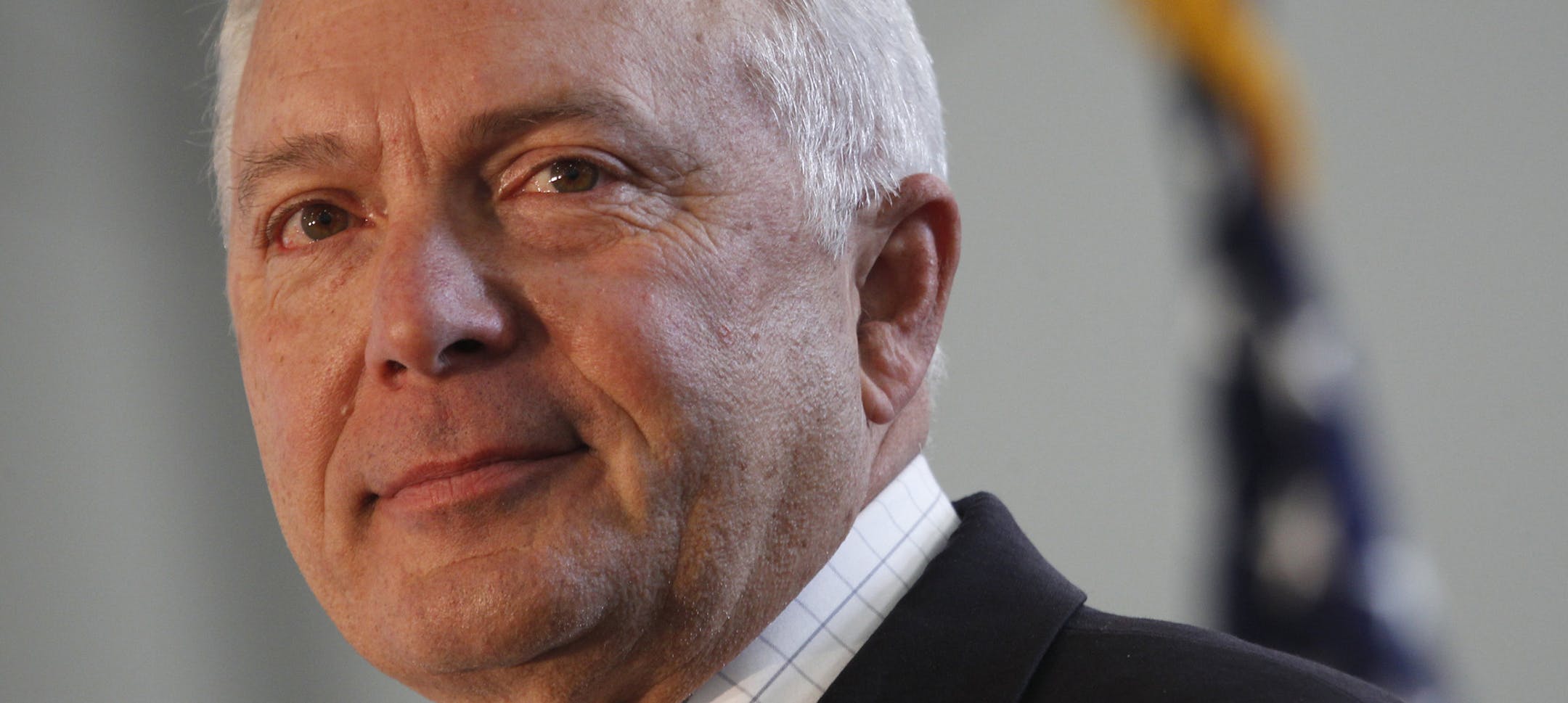
WASHINGTON – As chairman of the House Education and Workforce Committee, Republican U.S. Rep. John Kline oversees an annual budget of more than $6 million and an influential panel that's supposed to hold sway over legislation that touches the lives of almost every American.
Serving as a committee chair on Capitol Hill also remains a rare accomplishment: Over the past half-century, only five members of Congress from Minnesota — Kline, U.S. Rep. Collin Peterson and former congressmen Jim Oberstar, Martin Sabo and John Blatnik — have led House committees.
But the jobs aren't what they used to be.
As Congress has become more partisan, the careful, sometimes tedious, work of writing legislation and guiding it through the committee process is being bypassed more frequently. Instead of producing legislation the old-fashioned way, party leaders in the House and President Obama often are opting to duel publicly, then broker last-minute deals on what has become a recurring series of crises.
Last summer, Congress and Obama took a battle over student loan rates down to the wire, narrowly avoiding a deadline that would have doubled rates for nearly 7 million students. Kline's staff drafted versions of the bill, but House Speaker John Boehner stepped in to negotiate the final deal, leaving committee members on the outside looking in. With power in the House now centered firmly in Boehner's office, the shift has altered the role of most committee chairs from power brokers to barely involved bystanders in many cases, congressional observers say.
"They just don't have much power these days," said Todd Eberly, a political scientist at St. Mary's College of Maryland.
The new Congress that took office in January faces a lengthy list of education and labor policy issues that are overdue for renewal or soon will be, in a political landscape still consumed with fiscal issues, immigration and gun control. Former Minnesota Republican congressman Vin Weber, now a D.C.-based lobbyist, said the legislative logjam in Kline's committee is not reflective of his competence as chairman.
"It's been hard for anybody to accomplish anything," Weber said. "The climate is not conducive to any type of compromise."


