WASHINGTON – Minnesota refugee resettlement organizations are increasingly panicked that the surge of unaccompanied children from Central America streaming across the border will siphon federal dollars from the 4,000 refugees and asylum seekers that arrive in the state every year.
Federal officials are warning that unless Congress approves President Obama's $3.7 billion funding request before the August congressional recess, $94 million that had been devoted mostly to refugees instead will be diverted to the escalating crisis on the border. The number of children arriving without parents — mostly from Honduras, Guatemala and El Salvador — has jumped to 52,000 since October. That is more than double last year's number and does not include another 39,000 adults with children.
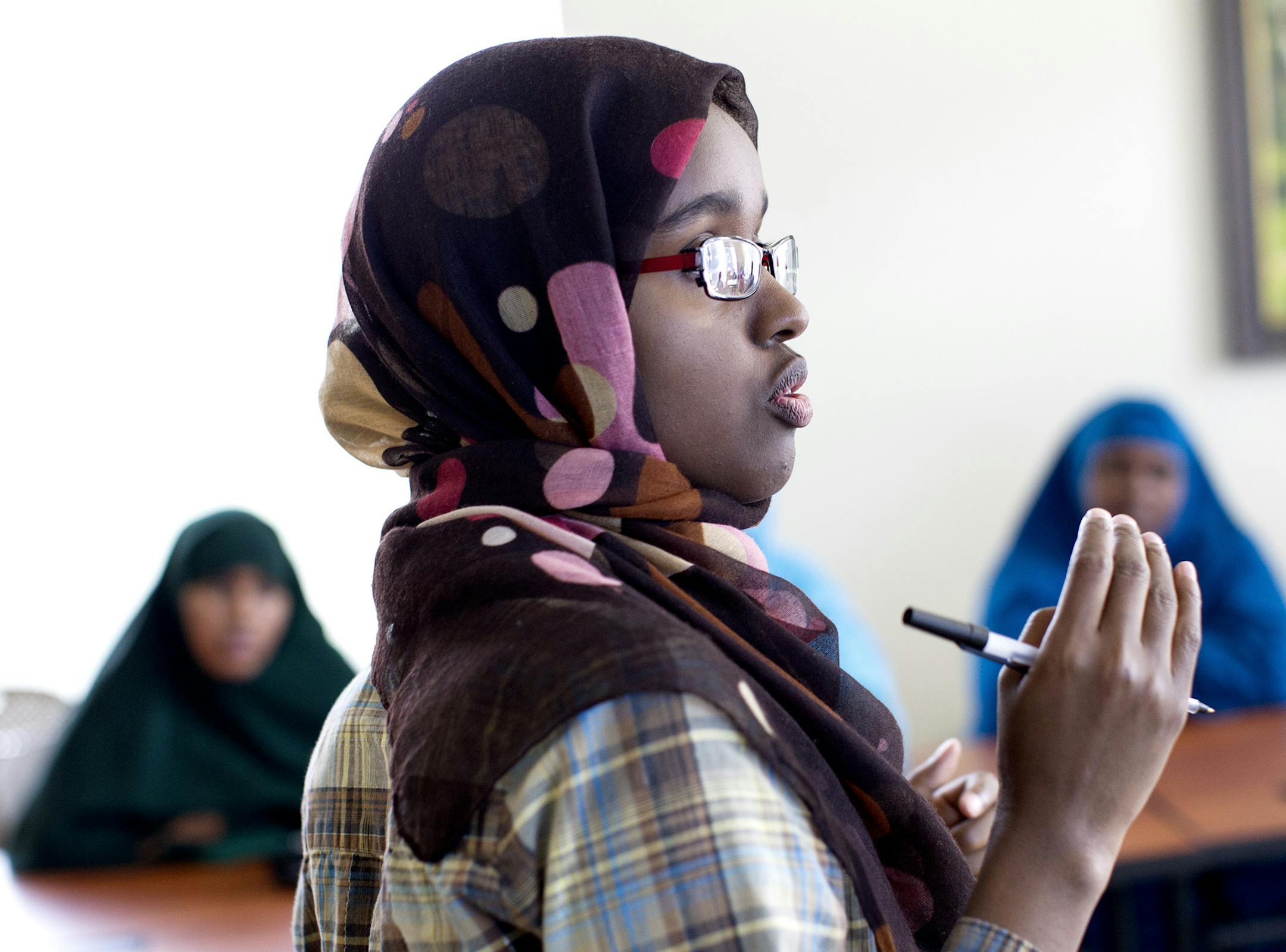
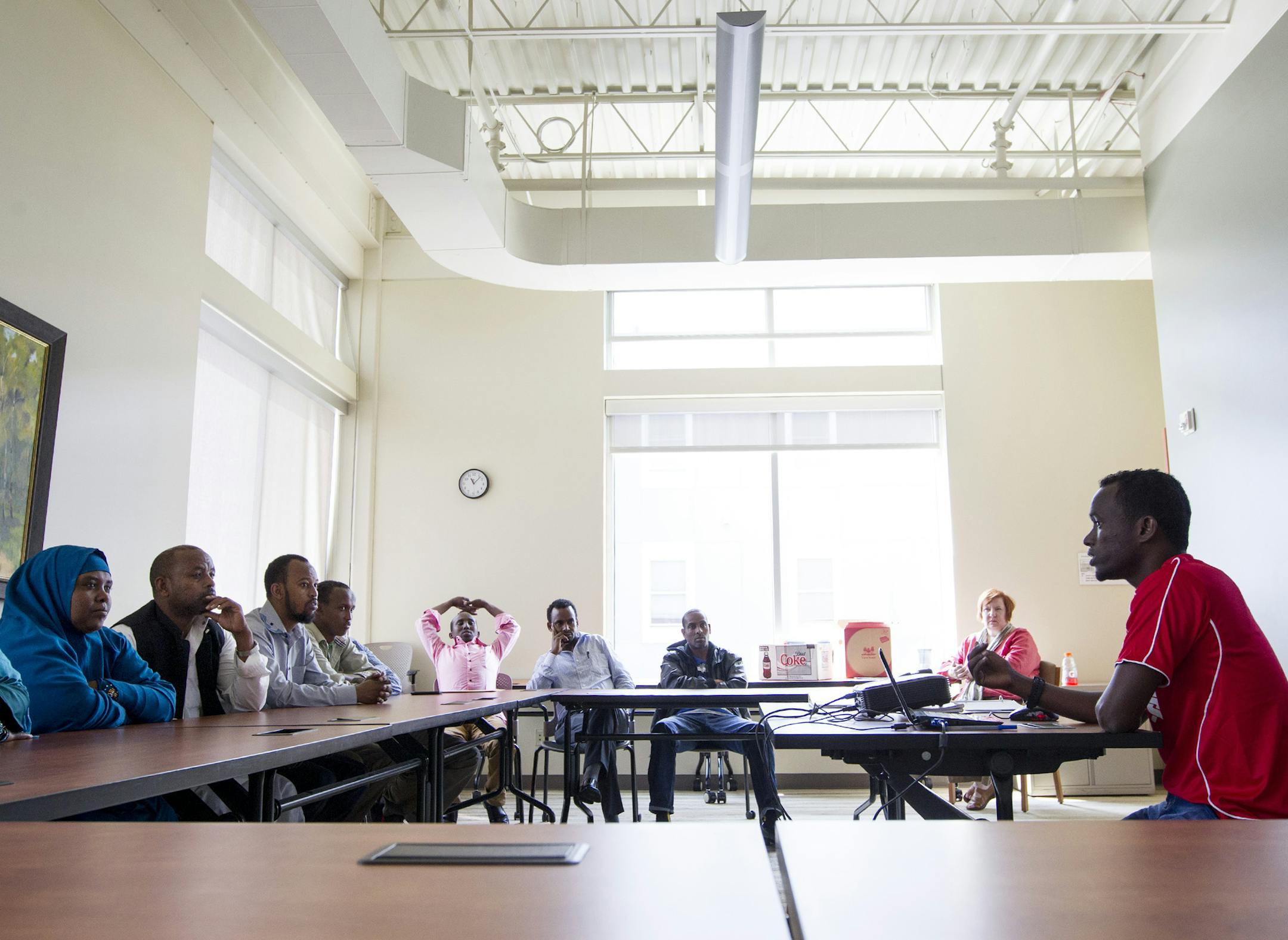
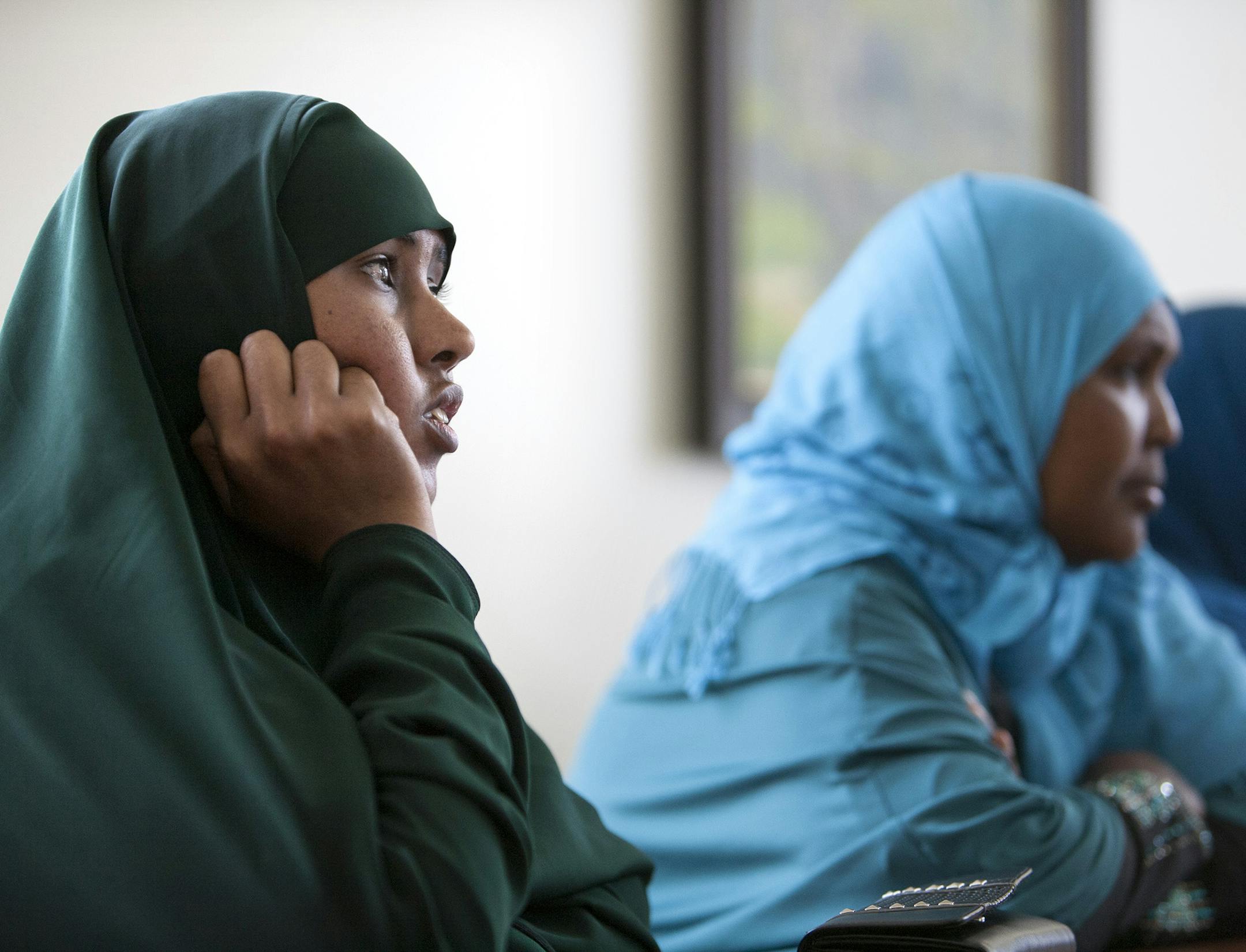
Because Minnesota is one of the top resettlement states for refugees from Somalia, Bhutan, Burma, Iraq and other troubled countries, organizations across the state that help new arrivals assimilate, get jobs and learn English say a shortage of funds could jeopardize their work.
"Of course this is scary to us. We're not in the business of pitting refugees against minors because it's a terrifying situation for both groups," said Kim Dettmer, director of refugees services at Lutheran Social Service. "Obviously these minors need help and obviously the refugees need help, as well. In my ideal world, we would have enough money to serve refugees and the children crossing the border would be safe and receive humane treatment."
Dettmer's organization helps resettle between 500 and 600 new refugees each year and helps another 200 to 300 who arrived in another state but sought out Minnesota to live. New arrivals get health checks, food, a place to live and English classes. Children are enrolled in school. Her organization also helps refugees find work — an aspect of the program that is booming in Minnesota, given the state's low unemployment rate. Lutheran Social Service has an office in St. Cloud that places refugees at Hormel's Jennie-O plant and other factories and hotels for service work.
"You think about these people languishing in a refugee camp," Dettmer said. "That's what I can't live with."
For reasons of geography, Minnesota is not bearing the brunt of the border crisis like some to the south, mostly Texas and California. Jane Graupman, executive director of the International Institute of Minnesota, said her organization helped settle seven unaccompanied kids this year. They ended up in Minnesota mostly because, in detention, they tell authorities they have a parent or a relative there.
Refugees and asylum seekers are a different story, though. The state is a larger-than-average magnet for that population — advocates say that's because the state is welcoming and offers good employment prospects.