

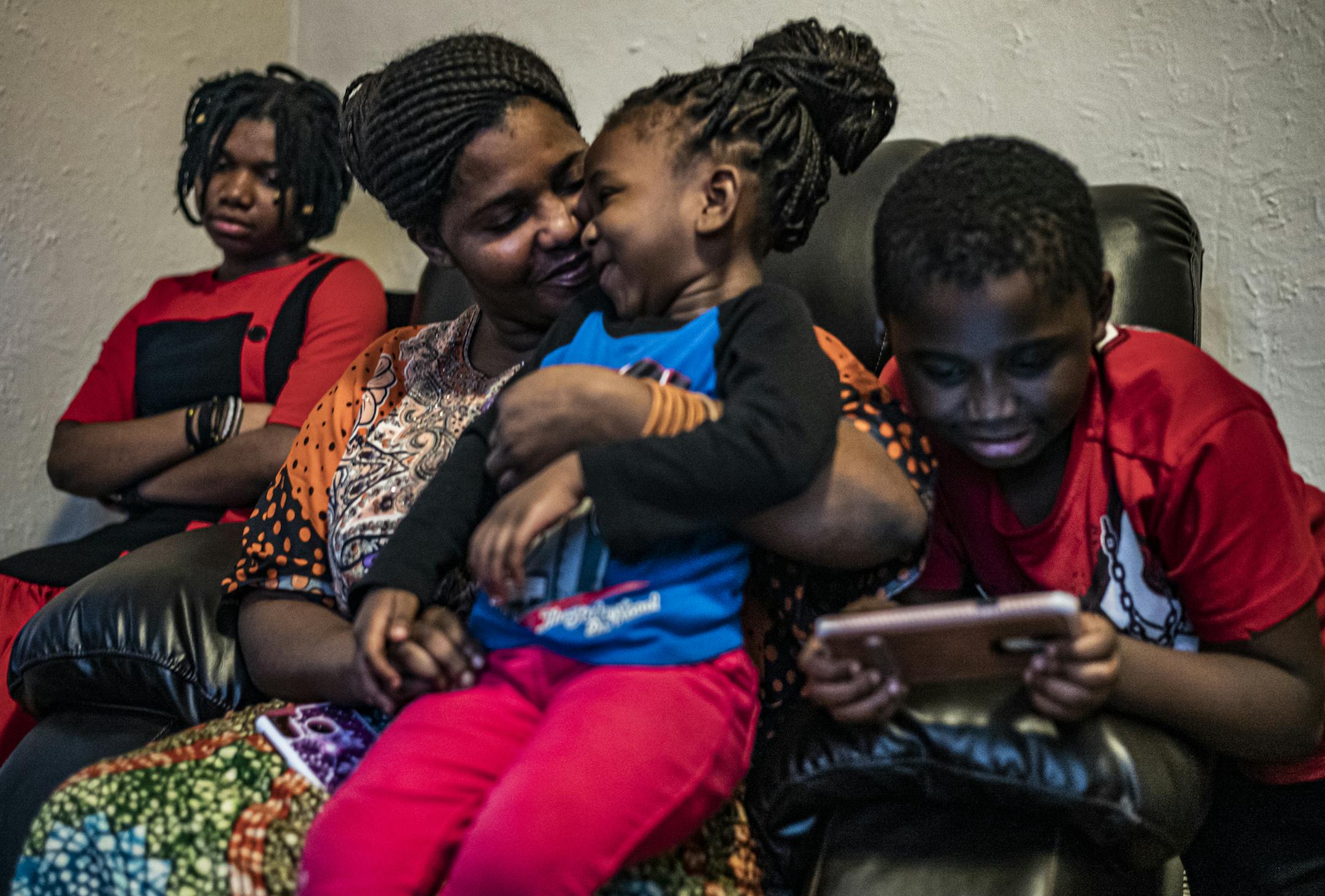
Some nights in St. Paul she still dreams of Africa.
Not her homeland of Congo, which she escaped as a teenager in 1996 during the civil war. Machozi Rashidi dreams of the Tanzanian refugee camp where she spent two decades.
Life there was hard in its own way for Rashidi. But in the camp, she never had to worry about how to pay rent or feed her children, or get by using a foreign language. In her moments of doubt, she wishes she could return.
Sometimes when Rashidi, 38, confronts the demands of living in America amid the turmoil of the last year, "it's just too much to bear."
President Joe Biden is pledging to dramatically increase refugee admissions to 125,000 in his first year in office — among a series of actions to reverse his predecessor's hard-line immigration policies. President Donald Trump reduced refugee arrival limits to 15,000 for the past two fiscal years, the lowest in the history of the program.
White House policy became moot when the COVID-19 outbreak led to the suspension of refugee flights for months. Even now, it will take time to absorb a large number of refugees as the economy recovers from the pandemic and refugee resettlement agencies build back capacity after downsizing because of Trump's cuts.
In the meantime, the trickle of refugees who came in the past few years are struggling without the same access to jobs, school and assistance that newcomers have in ordinary times.
Rashidi and her six children were among 891 refugees who resettled in Minnesota in 2019. She knew they were part of a lucky minority: Several thousand refugees a year came to the state for most of the decade before Trump took office.


