
Minnesota property-tax savings are less of sure thing in 2014

New state info shows what increases are in the works.

November 13, 2013 at 6:22AM
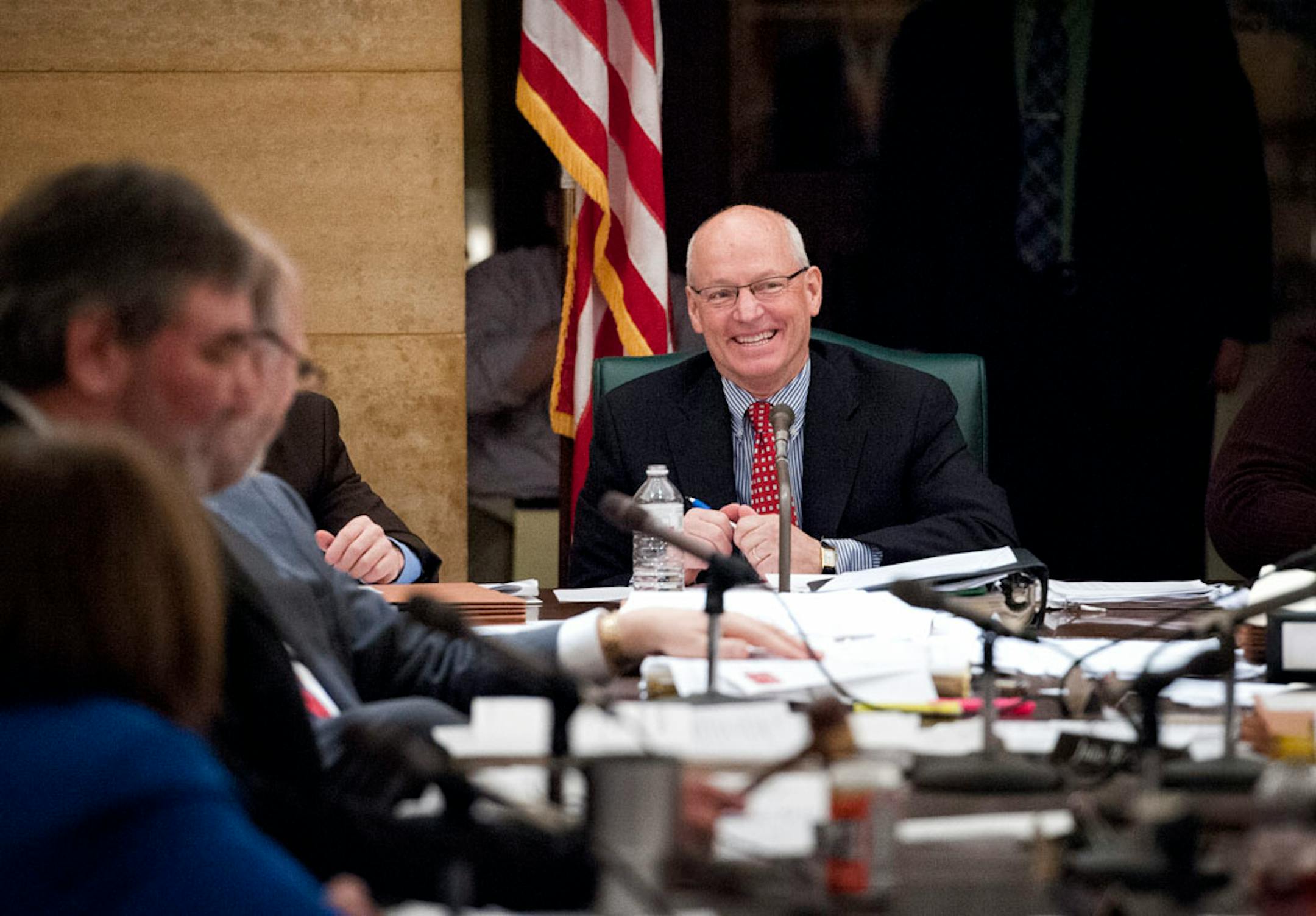
Revenue Commissioner Myron Frans
Revenue Commissioner Myron Frans (Tom Wallace — Star Tribune/The Minnesota Star Tribune)

Minnesota property-tax rates could increase again next year, despite the multibillion-dollar tax bill that was supposed to give homeowners a break.

The Minnesota Department of Revenue released preliminary property-tax levy rates Tuesday that showed the state's cities, counties, townships, schools and special taxing districts are planning across-the-board tax increases. The Revenue Department also released numbers showing that Minnesota's tax collections in October beat expectations by more than $56 million.

In July, revenue officials had predicted that state property taxes would decline by $121 million in 2014 — the first drop in a decade — as communities took millions of dollars in local aid from the tax bill and passed at least some of it along to homeowners.

Some communities — including Minneapolis and Dakota County — are planning property-tax cuts in 2014. But other communities, battered by the recession and budget cuts, may opt to find other ways to spend their windfall from the state.

"We're going to have to wait and see what the cities and counties do," Revenue Commissioner Myron Frans said. "Some cities and counties are really trying to return some of this money for property-tax [breaks], and some are fixing potholes and other things."

The November numbers are preliminary, and the state won't have the final property-tax numbers until the communities lock in their 2014 rates. Until then, Frans said, the state is encouraging local governments to pass at least some of the tax savings along to homeowners.

The early numbers show Minnesota cities' property taxes increasing 2.1 percent, counties' up 1.5 percent and townships' up 2.1 percent.

Minnesota school tax levies were set to decline by $60 million in the coming year, Frans said, but voters approved another $120 million in school levies.

"I'm still optimistic," Frans said. "The key for us is, we're watching these preliminary numbers. We want to make sure the cities and counties take a careful look and make sure they use the tools we gave them to … do what they can to provide property-tax relief."

Those tools from the state included provisions in the tax bill that eliminated $129 million worth of sales taxes to cities and counties, $130 million worth of increased aid to local governments and increased aid to schools.

Communities will report their final property-tax levies to the state in December, and those numbers will be announced in February.

In other revenue news, the Minnesota Department of Revenue took in $1.6 billion for the month, about 3.6 percent higher than estimated.

Income tax collections came in at $718 million, about $30.3 million more than budget officials estimated. Sales tax collections were $455 million, beating targets by 4.4 million.

The state took in $63.9 million in corporate income taxes, up $1 million over estimates. Other revenue came in $20 million over estimates, at $362 million.

Budget officials warn not to read too much into the monthly revenue statements. They can vary wildly based on a range of factors, including timing of tax payments.

Staff writer Baird Helgeson contributed to this report. Jennifer Brooks • 651-925-5049

about the writer

about the writer

Jennifer Brooks

Columnist

Jennifer Brooks is a local columnist for the Minnesota Star Tribune. She travels across Minnesota, writing thoughtful and surprising stories about residents and issues.

See Moreicon

More from No Section

See More
FILE -- A rent deposit slot at an apartment complex in Tucker, Ga., on July 21, 2020. As an eviction crisis has seemed increasingly likely this summer, everyone in the housing market has made the same plea to Washington: Send money — lots of it — that would keep renters in their homes and landlords afloat. (Melissa Golden/The New York Times) ORG XMIT: XNYT58
Melissa Golden/The New York Times

It’s too soon to tell how much the immigration crackdown is to blame.