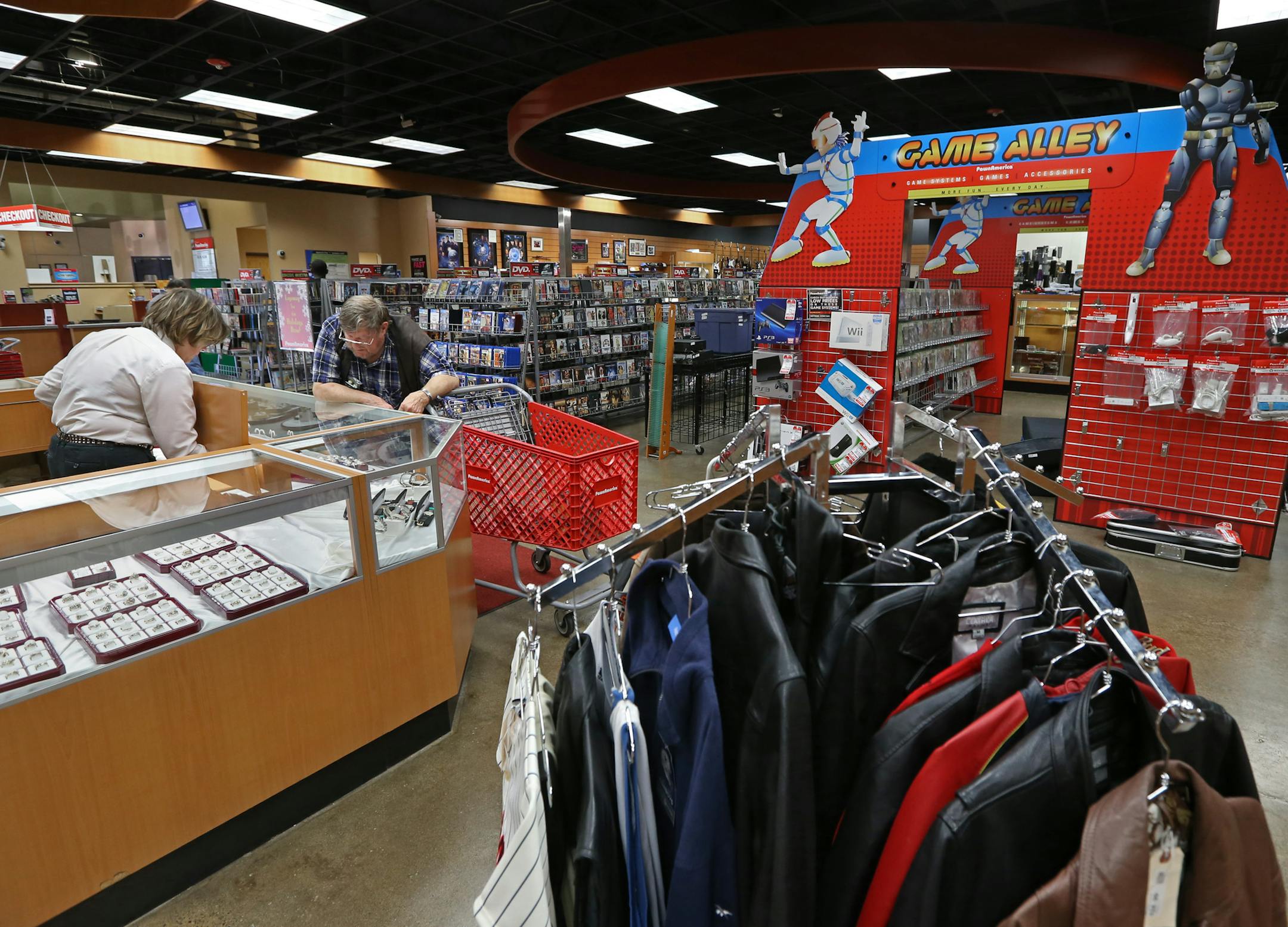
An online listing of bikes, iPads, computers and other items sold to Minnesota and Wisconsin pawnshops has proved to be a treasure trove of tips for police trying to catch thieves and recover stolen property.
Last year, 260 police agencies using the Automated Property System (APS) recovered an estimated $1.2 million worth of goods, according to John Elder, head of the APS unit at the Minneapolis Police Department, which developed and runs the 16-year-old system.
APS "has become a very important tool for solving all kinds of crime," Elder said. For example, he said, APS data led to the arrest of a suspect who shot a Brooklyn Park resident in a 2004 home invasion. Elder said items stolen from the home were pawned in St. Paul by a woman who admitted she got the items from her boyfriend, whom police arrested, he said.
In the mid-1990s, the pawn industry opposed state legislation to regulate pawnshops, but once it passed, Pawn America, the area's biggest pawn broker, worked with Minneapolis to develop an effective pawn tracking system, Elder said.
"We are strong supporters of electronic reporting," said Chuck Armstrong, legislative director for Pawn America.
Pawn America has stores in the four cities with the state's largest numbers of pawn transactions — St. Paul, Bloomington, Burnsville and Fridley. St. Paul had 65,962 transactions last year in its seven pawnshops. Minneapolis came in fifth, with almost 47,000 transactions in five shops.
APS is "one of the most valuable tools we have in the fight against theft and related crime," said Fridley Police Chief Don Abbott. His city had 47,664 pawn transactions last year, when APS reporting helped it recover $38,770 in stolen property.
Integrating efforts
The Automated Property System tracks serial numbers from property transactions at three kinds of stores: pawnshops, precious-metals dealers and secondhand stores. The system's 93 pawn stores in dozens of cities upload transaction information — which usually includes a person's photo and driver's license data — to APS computers each night. APS checks serial numbers of pawned items against stolen property listed at the National Crime Information Center and sends a list of hits each day to police in the city where the possible theft happened, Elder said.
![John Elder, Director of the Minneapolis Police Department's Police Department's Intellectual Property Initiative, with property Thursday afternoon, October 3, 2013 that was reclaimed from pawn shops in the past day or so as part of the program. The city has a full-time Pawn Detective and is part of the Automated Pawn System to track and return pawned items that are stolen. He was photographed a conference room in the police department's property office. ] JEFF WHEELER • jeff.w](https://arc.stimg.co/startribunemedia/5RHFHFLLRLXPPYO65P32P6ECQM.jpg?&w=1080)
![Pawn America Store in Fridley. Fridley 7-year-old Pawn Detective program solves burglaries, recovers stolen goods and covers its costs, police say. The city has a full-time Pawn Detective and is part of the Automated Pawn System used by Minneapolis and other metro cities to track and return pawned items that are stolen. Fridley's two pawn shops do more business than those in any other metro city.] Bruce Bisping/Star Tribune bbisping@startribune.com](https://arc.stimg.co/startribunemedia/VDLPSUKPZEHLV2MDAHWFJ2WMP4.jpg?&w=1080)