

Don't call it Sommerfest, but there was a throwback feel to Friday's opening night of "Summer at Orchestra Hall."
Just as at that downtown Minneapolis classical music festival of yore, there was food ideal for outdoor noshing — now including picnic baskets with bottles of bubbly — pre-concert music for your dancing pleasure, and, speaking of dancing, the Peavey Plaza fountain waters were doing so again.
The concert programs look largely as they did when the summers took on a Viennese focus, save the waltzes. The orchestra used to play a lot of Beethoven in summer, and the festival is something of a belated 250th birthday celebration, making up for what the pandemic prevented two years ago. During the second half of July, there's Beethoven at almost every concert, including three of his nine symphonies.
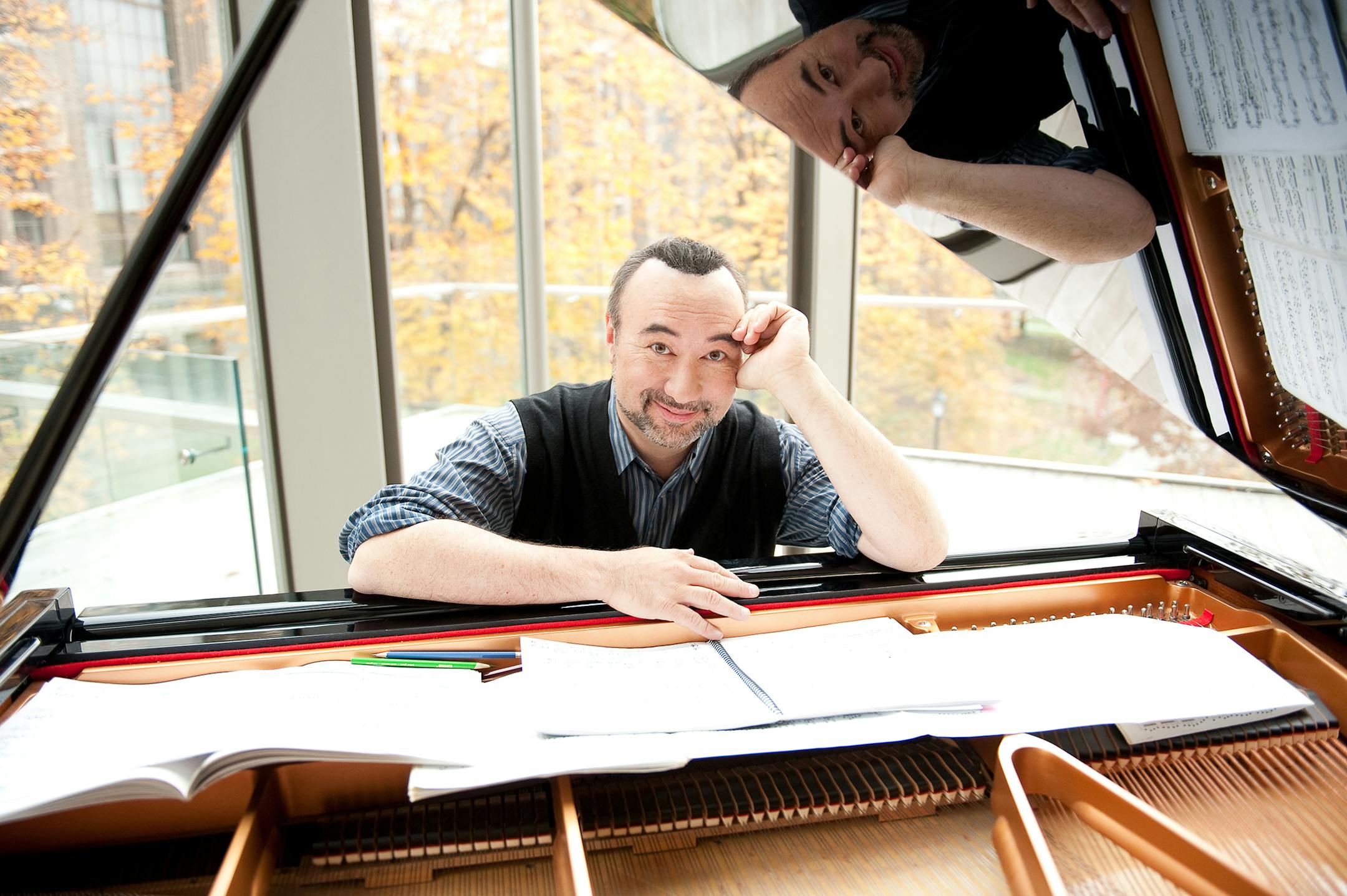
Yet Friday's star wasn't a symphony, but a piano concerto. The orchestra's creative partner for summer programming is pianist Jon Kimura Parker, and he offered a performance that eclipsed all around it, an extraordinarily imaginative interpretation of Beethoven's Third Piano Concerto that was bold, sensitive and exhilarating.
It was the centerpiece of a program that featured a very intriguing new work by American composer Carlos Simon and, yes, a Beethoven symphony (his second). But it would be Parker's pianistic prowess that dominated the proceedings.
Not that Simon's piece, "Fate Now Conquers," wasn't a fine complement to the rest of the concert. Written for a Beethoven-sized orchestra and inspired by a letter the composer wrote late in his life, it's a work of intensity built from the kind of short phrases that composer favored. It proved powerfully dramatic, especially during a gripping cello solo by Anthony Ross.
On the podium was a conductor who's been creating a major buzz in Europe over the last decade, England's Nicholas Collon. He emphasized economy of movement, never getting particularly animated or visually engaging.
But he proved a fine collaborator for Parker during the piano concerto, making sure that the soloist's lines sang out clearly. And what lines they were. If the score called for any phrases to be repeated, Parker always changed things up the second time around, whether he was bringing out the left hand in more pronounced fashion, stretching pauses or softening his attacks.


