

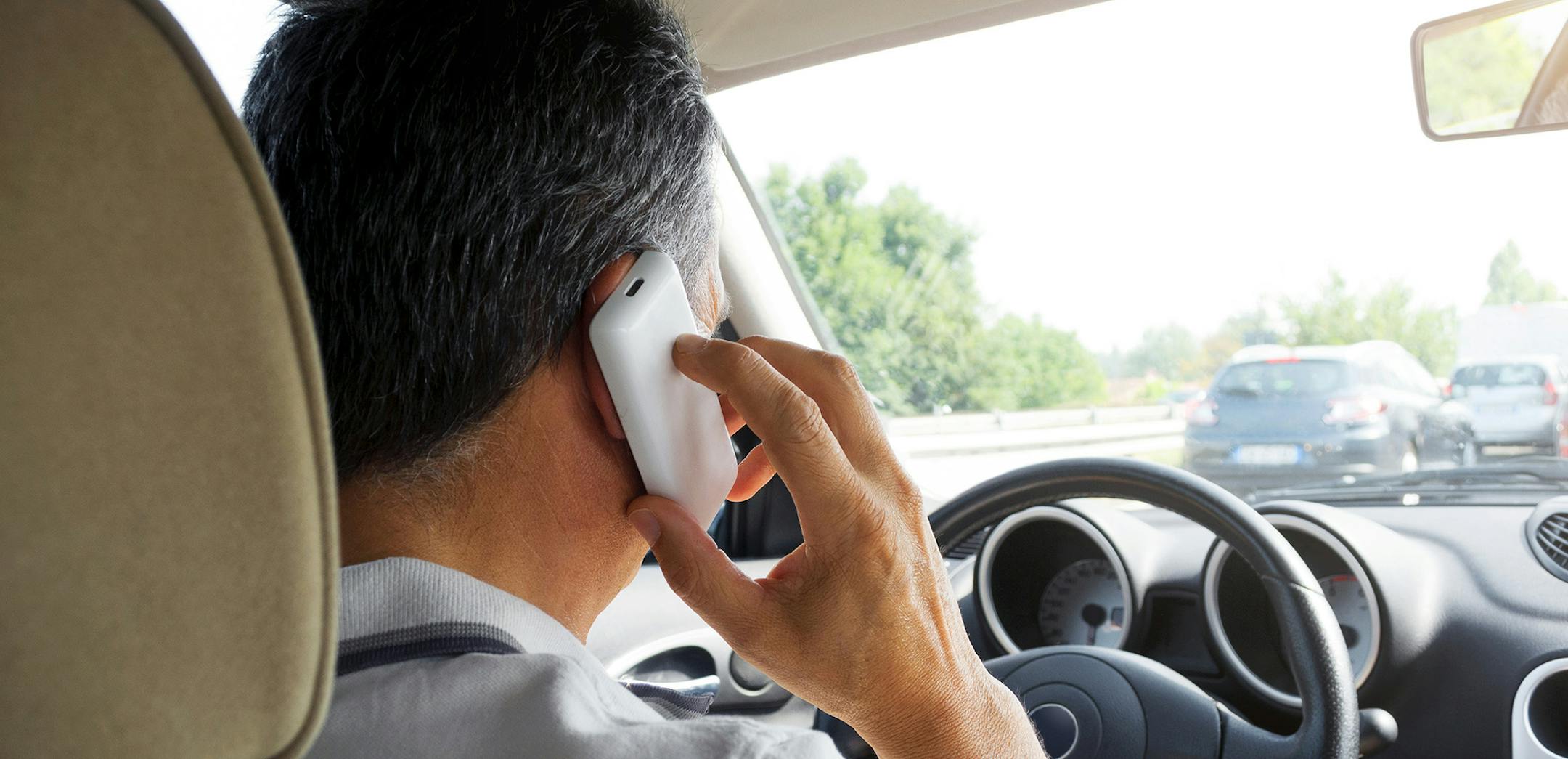
If the new administration of Gov.-elect Tim Walz and the reconfigured Legislature want to show Minnesotans they're serious about ending gridlock and bickering in St. Paul, then tackling the issue of distracted driving would be a constructive and symbolic starting point. There should be no need for squabbling on this issue.
Headlines far too frequently relay the tragic consequences of distracted driving, and that includes the use of handheld cellphones. The statistics are overwhelming. The state Department of Public Safety reports that 1 in 5 serious vehicle crashes can be attributed to what's become a plague on the roads. From 2013 to 2017, there were 265 people killed and nearly 1,100 injured in such accidents in Minnesota.
Yet not enough has been done to address the issue. Legislation earlier this year to ban the use of handheld cellphones while driving died in the Republican-controlled House without a floor vote despite bipartisan support and positive committee votes. "Election-year politics played an ugly hand," said Rep. Mark Uglem, R-Champlin, House sponsor of the legislation.
Just as Minnesotans agree that drinking and driving don't mix, state residents deserve better on the matter of distracted driving. Retiring Attorney General Lori Swanson put forward a unembroidered report on the subject last month, and the recommendations proposed by her office provide a good framework to rekindle the debate when the Legislature convenes in January.
Swanson calls distracted driving "an epidemic on the roads" and says it should be "stigmatized" just as drunken driving has been. Indeed, traffic deaths from drunken driving have declined from more than 200 in 1998 to 72 in 2017.
"We need to beef up the laws, beef up the [enforcement] tools and change the culture," Swanson told an editorial writer. "Enough is enough."
Swanson's proposal would prohibit the use of cellphones while driving except in the case of hands-free and Bluetooth-enabled devices. The proposal also would increase penalties for texting while driving, which is already illegal. The current texting fine of $50 is the same as that for driving under the posted speed limit.
Moreover, Swanson's proposal calls for license suspensions for repeat offenders and more funding for public-awareness campaigns similar to the successful public-service spots on drinking and driving. Her proposal also would require knowledge of distracted-driving rules in driver's license examinations.


