

Today's special session of the Minnesota Legislature isn't expected to live up to its name. There won't be much that's special about it. Convening the recessed Legislature for one day to send taxpayers' dollars to stricken communities has become Minnesota's standard response to natural disasters.
This session would benefit from a longer agenda. Lawmakers would do well to take up the repeal of at least two problematic new applications of the sales tax, to farm machinery repairs and third-party warehouse services. Both of those sales taxes carry a high risk of pushing business activity out of Minnesota to other states.
Minority Republican efforts to put those and other tax repealers on the agreed-to agenda were rebuffed by DFL Gov. Mark Dayton and majority legislators last month. If those GOP efforts continue today, as expected, they likely won't succeed.
DFLers rightly note that those seeking the tax cuts have not proposed specific remedies for the breach in the biennial budget that their repeal would create. But the obligation to correct flawed tax policy rests with the party in power. Correcting the 2013 sales tax mistakes ought to be a priority for Dayton and the 2014 Legislature's majorities.
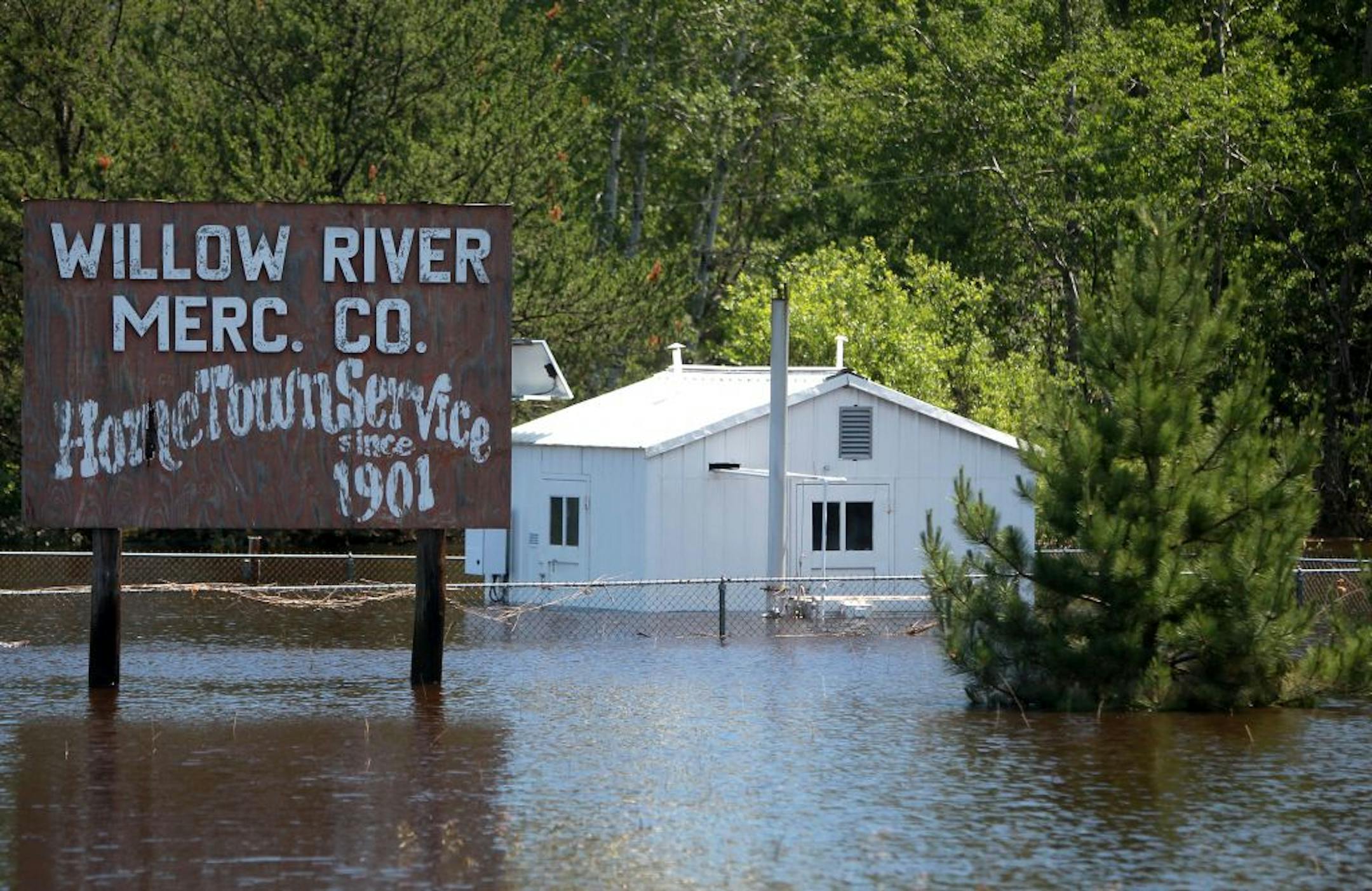
What remains for today is Dayton's call for legislative action to provide the requisite 25 percent state-plus-local match for federal aid to 18 counties — including Hennepin — where storms in late June damaged public infrastructure. The proposed legislation, released Friday, calls for a $4.7 million appropriation, funded with reductions in several state agency budgets.
That sum is small by state government lights. It's got Dayton and key legislators talking about ways to make modest sums available in the future without the expense, unpredictability and inevitable political gamesmanship of a $32,000-a-day special session.
We hope that thinking bears fruit. Lawmakers received good advice on the matter last year from the Office of the Legislative Auditor. It recommended the creation of a relief fund that could be tapped quickly after a natural disaster without resorting to a special session.
It also called on legislators to set clearer criteria for spending from such a fund, and for state disaster assistance in general. Guidelines should define the state's obligation both when a disaster does not qualify for federal assistance and when it does. They should clarify the circumstances under which the state should pay the federally required 10 percent local match as well as its own 15 percent match.


