

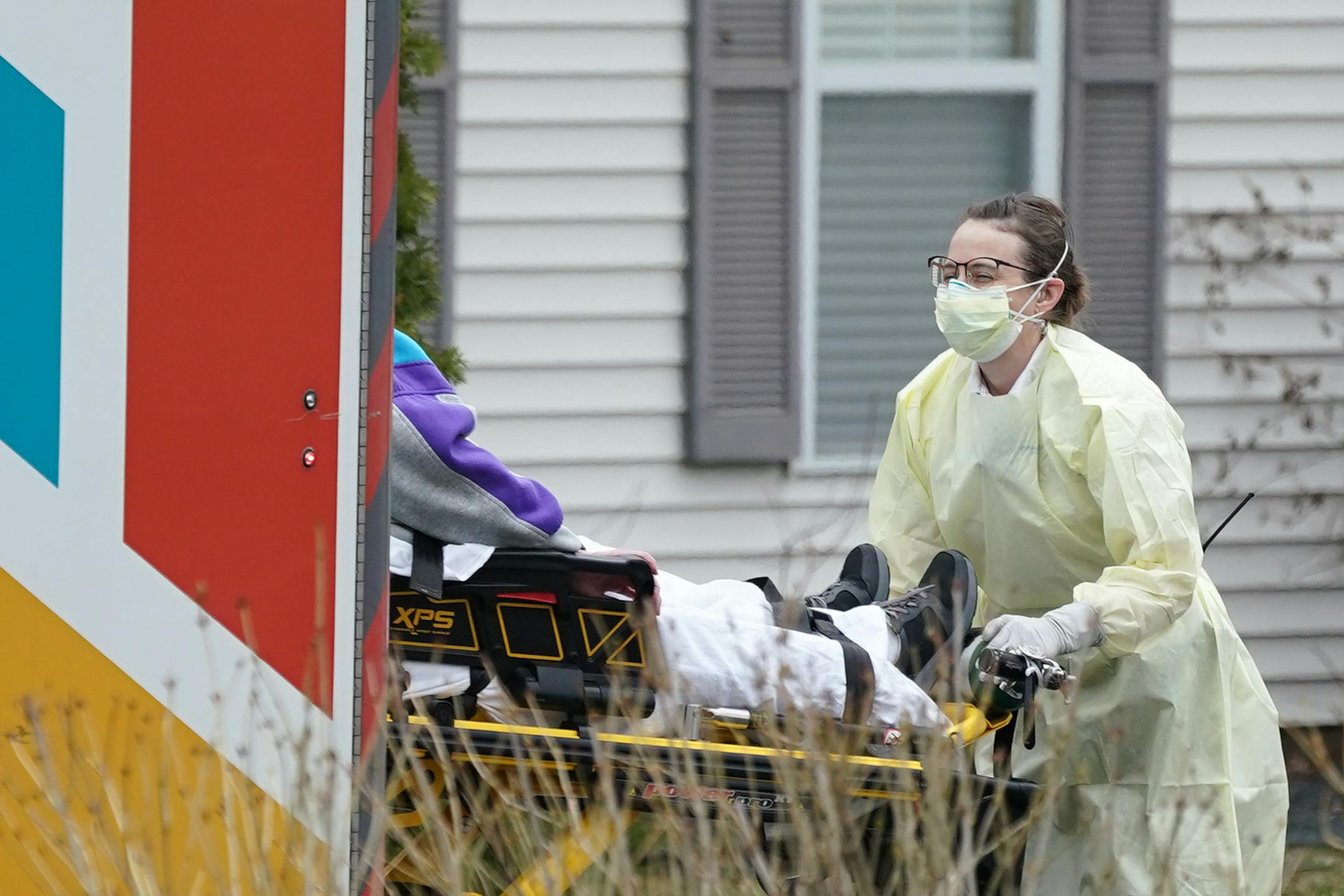
When COVID-19 made landfall on the West Coast earlier this year, it hit a Seattle-area nursing home with hurricane force. The new strain of coronavirus sickened 129 people linked to the home — residents, staff and visitors — and killed 40.
As this viral storm continues to spread across the U.S., long-term care centers have proved especially vulnerable due to residents' age, poor health and proximity to other residents and caregivers. It's a grim reality that is rarely reflected during presidential press briefings and requires additional focus at the state level. One suggestion: Minnesota Gov. Tim Walz should dedicate a briefing to laying out a comprehensive battle plan to combat COVID-19 in elder care centers. Specifically, what lessons have been learned so far, and what improvements are needed?
While just 23 states make COVID-19 data from these facilities publicly available — a shocking disclosure gap — there have been more than 10,000 reported deaths in their long-term care facilities, including residents and staff, according to the Kaiser Family Foundation. That averages out to 27% of COVID-19 deaths reported by these states.
Minnesota, to its credit, provides an updated list of long-term care centers with at least one COVID-19 case among residents or staff. It also typically provides a daily update of deaths linked to the facilities. As of Friday, 75% of the state's 221 deaths were long-term care residents.
Comparisons to other states are difficult due to the lack of data, differences in testing, wider spread of infection in the community and the varying definitions of care facilities, so it's hard to say if care centers are harder hit here. "I think Minnesota is in the same boat as other states," Joseph Gaugler, a professor of long-term care and aging in the University of Minnesota's School of Public Health, told an editorial writer.
Still, the situation here is alarming. In the past week, the Star Tribune reported one of the state's deadliest outbreaks at St. Therese of New Hope. Two other care centers have had dire staffing shortages from staff who are sick or not coming to work out of fear of infection. One evacuated its residents to other locations. The second required community reinforcements.
The U.S. Centers for Disease Control and Prevention is offering a tailored review of states' COVID-19 responses in long-term care centers. Minnesota accepted, but it's uncertain when the report will be released. In the meantime, there are clear improvements to be made:
• Ensure a staffing crisis plan is in place. Elder care facilities can sometimes be at the periphery during disaster preparedness. Plans that have been made may also assume a tornado-type situation instead of an ongoing event, meaning there may not be a strategy for a rolling staffing crisis. Assumptions might also have been made that the National Guard will do direct care when its assistance is typically more logistical. Emergency preparedness officials should proactively reach out to local care centers to update or put a plan in place before a staffing crisis hits.


