

A state that's home to 10,000-plus lakes and the headwaters of the nation's marquee river is surprisingly dependent on a water supply hidden from view: groundwater.
While Minneapolis and St. Paul draw their municipal water supplies from the Mississippi River, 75 percent of Minnesotans' drinking water now comes from wells tapping the sprawling reservoirs underlying the state. That's a dramatic shift from decades gone by when surface water, such as rivers, largely slaked the state's thirst.
The vast but finite aquifers are like glasses of water with many drinking straws — perhaps too many — draining their contents. One of the most pressing challenges facing the state is ensuring that increased demand from a growing population and agricultural irrigation doesn't drain groundwater supplies too rapidly. Instead, this resource must be managed sustainably for future generations.
That's why legislation moving through the Minnesota House that would bolster and fund this important groundwater management work merits both legislative and public support. Remarkably, the Senate has ignored this critical issue in its budget proposal for the environment.
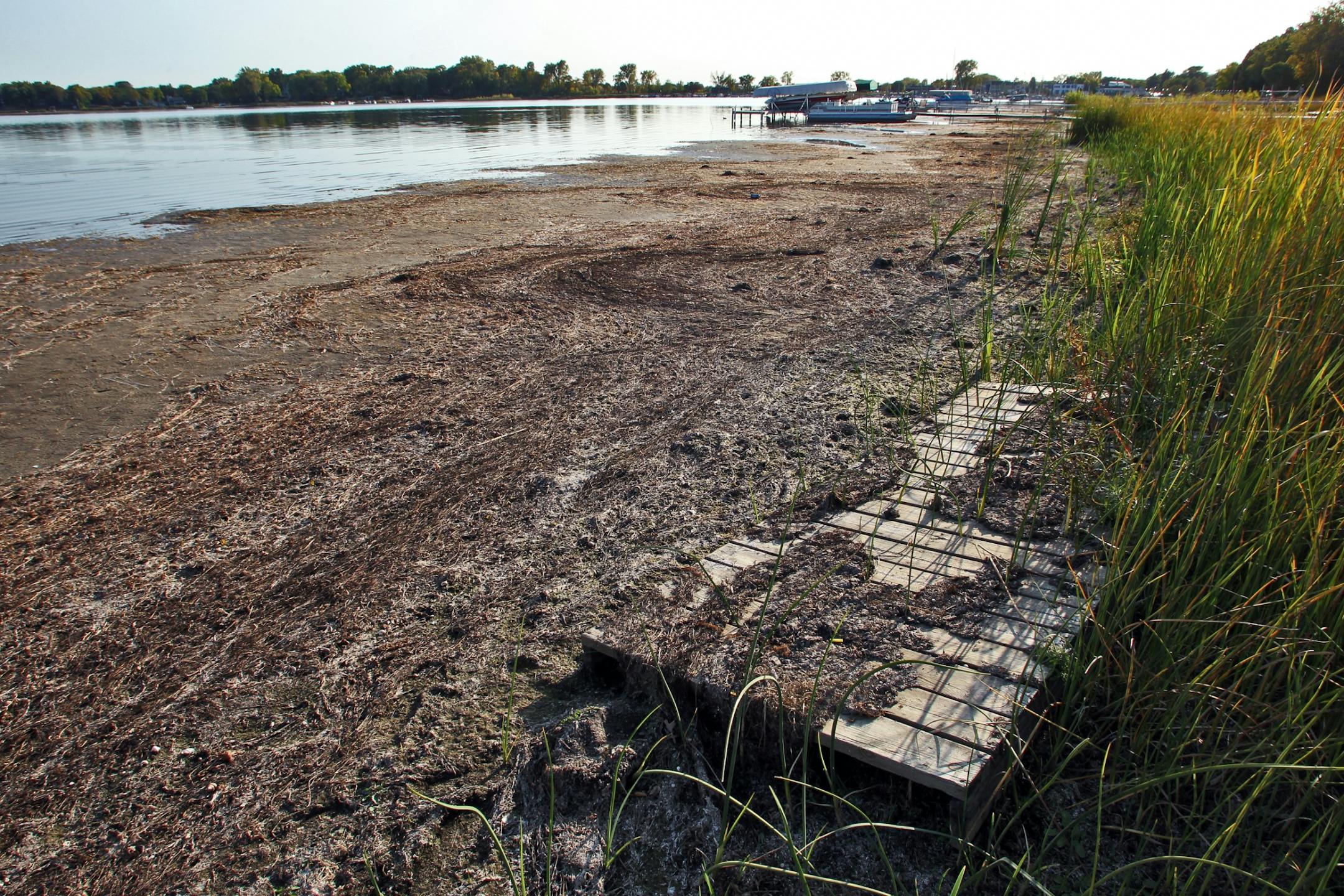
Over the past year, concerns about groundwater have escalated dramatically because of last summer's drought and because of a high-profile lawsuit alleging that White Bear Lake has shrunken due to groundwater pumping by nearby communities.
These events have made it crystal-clear that groundwater has limits and that levels below ground connect in little understood ways to the health of the state's beloved surface water. If the Minnesota Senate won't act this year, when will lawmakers take this issue seriously?
The legislation pushed in the House is not an all-encompassing solution to the state's groundwater challenges, but it would be an important first step.
The legislation would raise water appropriation permit fees by reasonable amounts on the state's big water users — such as municipalities, irrigators, industry and golf courses. The $6.1 million that would be raised annually would not go into the general fund, but would be dedicated to helping the state's Department of Natural Resources (DNR) better measure groundwater use, ensure regulatory compliance and move toward a regional management of this resource. Gov. Mark Dayton also called for improved water management and monitoring.


