

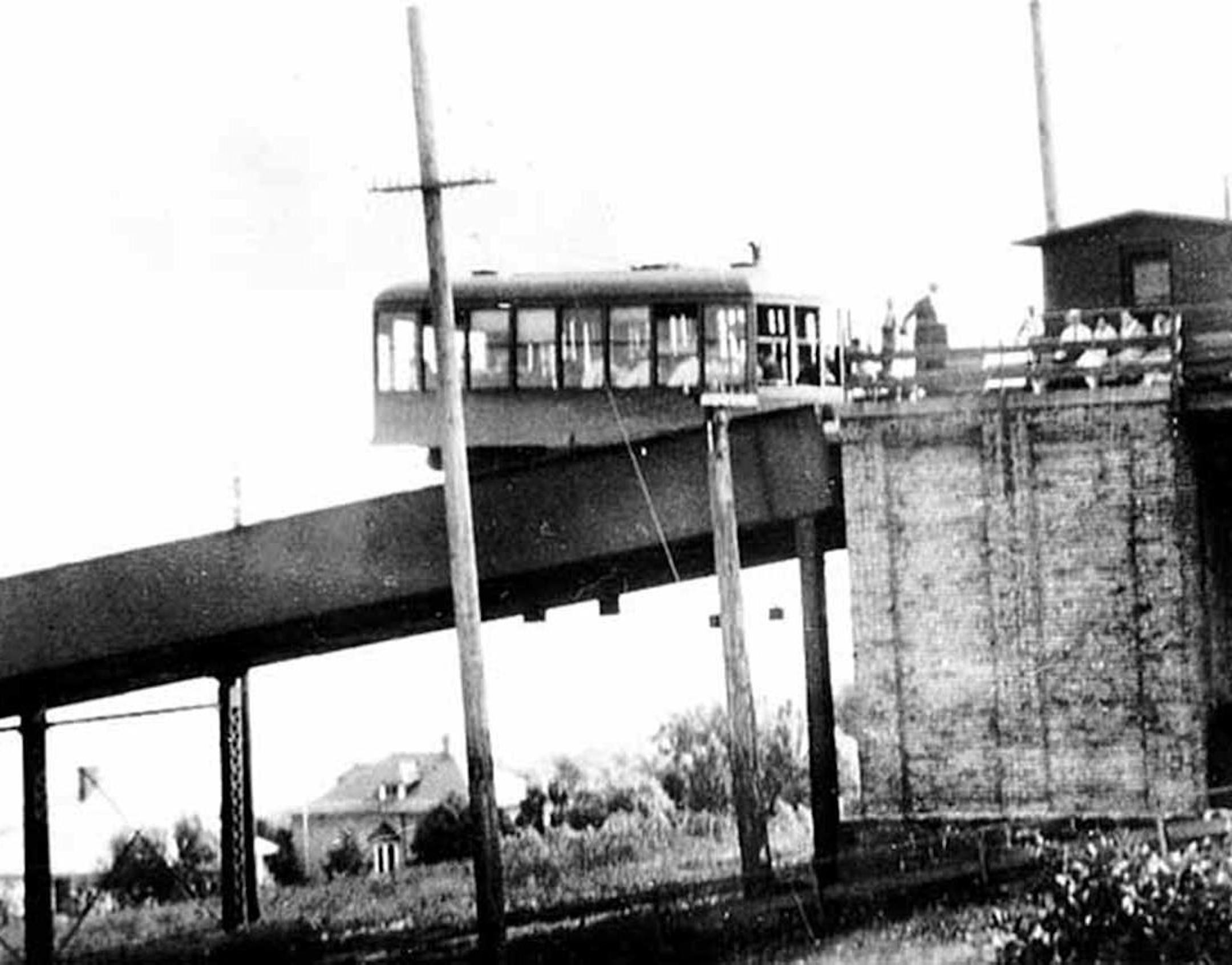
What: The last streetcar ran in Duluth.
When: July 7, 1939.
Getting wired: It started in 1893 with four cars and eight horses. By 1890, Duluth's streetcar system was electrified — a significant expense that sent it into bankruptcy after the Depression of 1893. But the system would survive and grow. At its height in 1919, the Duluth and Superior streetcar systems carried over 45 million people.
Hill climb: But even electric motors couldn't reliably climb Duluth's steeper hills, which led to the development of the incline railway. It dragged the cars up the hill with a buried cable. It wasn't popular at first, so the company built a pavilion at the top of the hill, a place to dine and enjoy the breeze.
If the breeze seemed a bit hot on May 28, 1901, it's because the engine room and pavilion had caught fire. The heat turned the cable into al dente spaghetti, and one of the cars, weighing a mere 27 tons, caught on fire and screamed down the hill. Casualties: zero. The railway survived.
But the allure of the bus would undo it all. Buses didn't block traffic when they stopped. Buses didn't need wires. The first gas-powered buses hit the streets in 1924, and 15 years later they ruled supreme.
What remains: One of the cars still rides the rails every summer on the Como-Harriet line on Lake Harriet. It may seem like a piece of old Minneapolis, but it's really a refugee from the Twin Ports.


