Hopefully you saw them as they passed through.
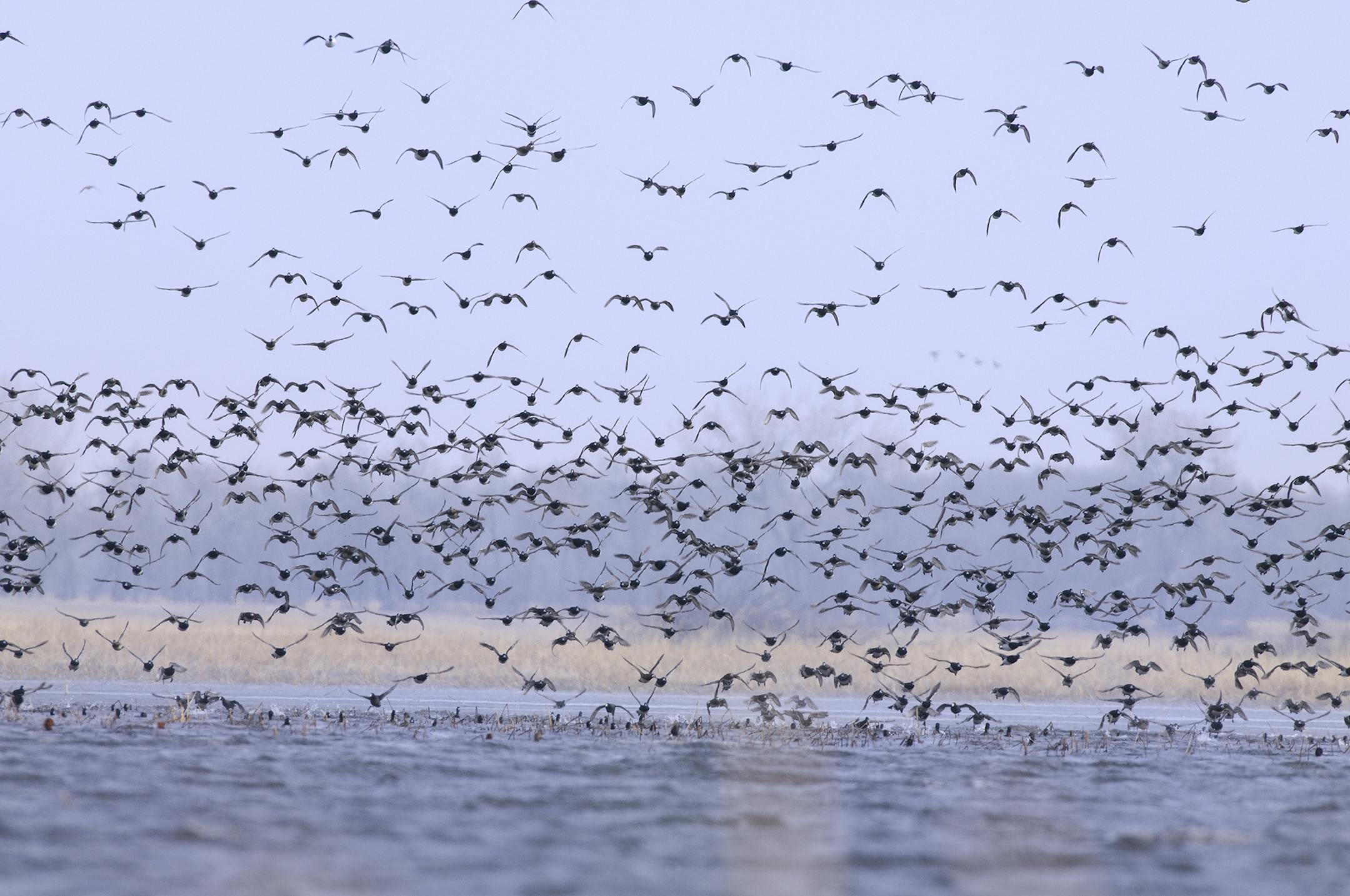
The spring migration of waterfowl to and through our state started about a month ago even though Old Man Winter still had a firm grip on the landscape. A few species of migrating waterfowl still linger.
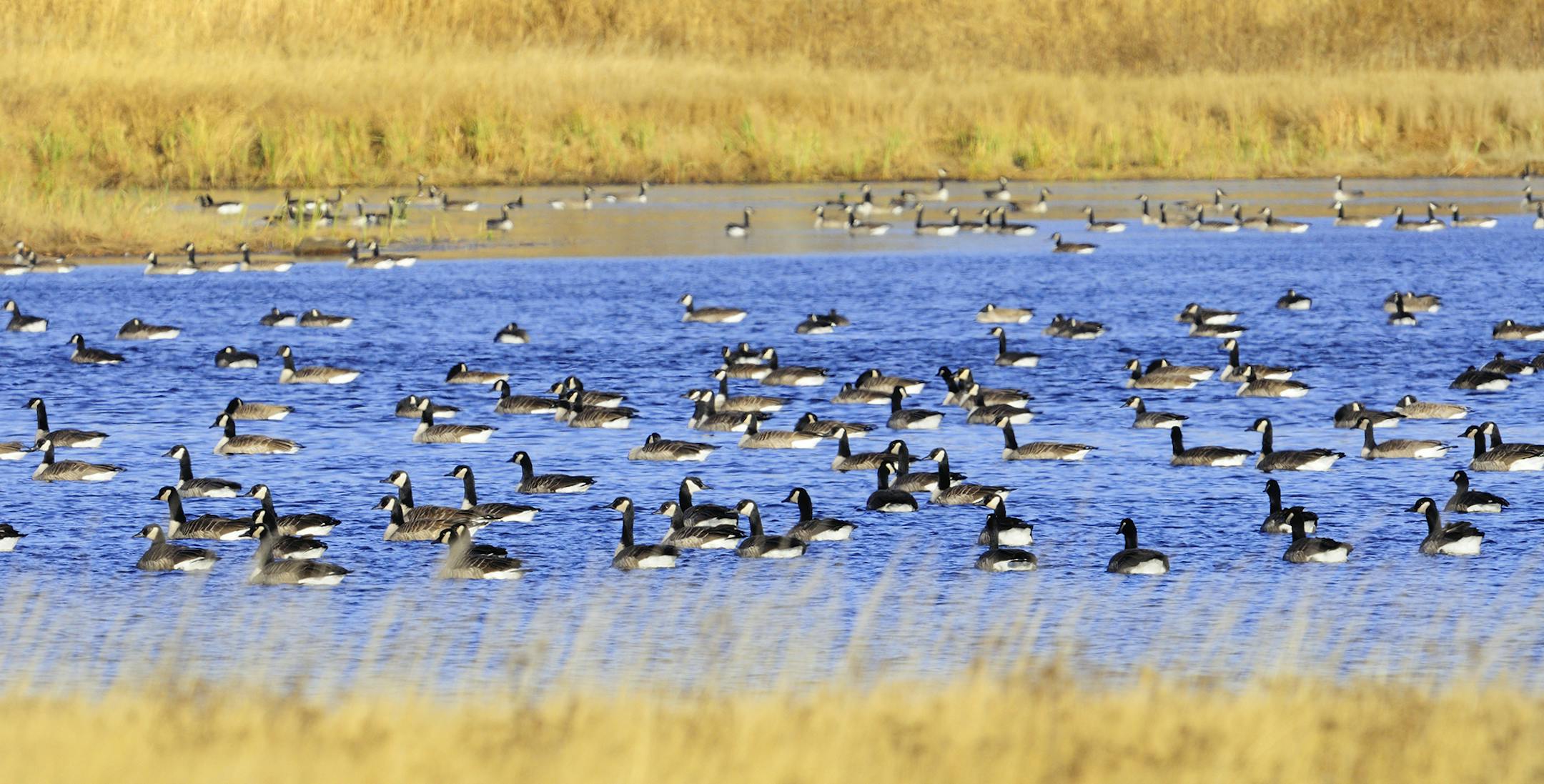
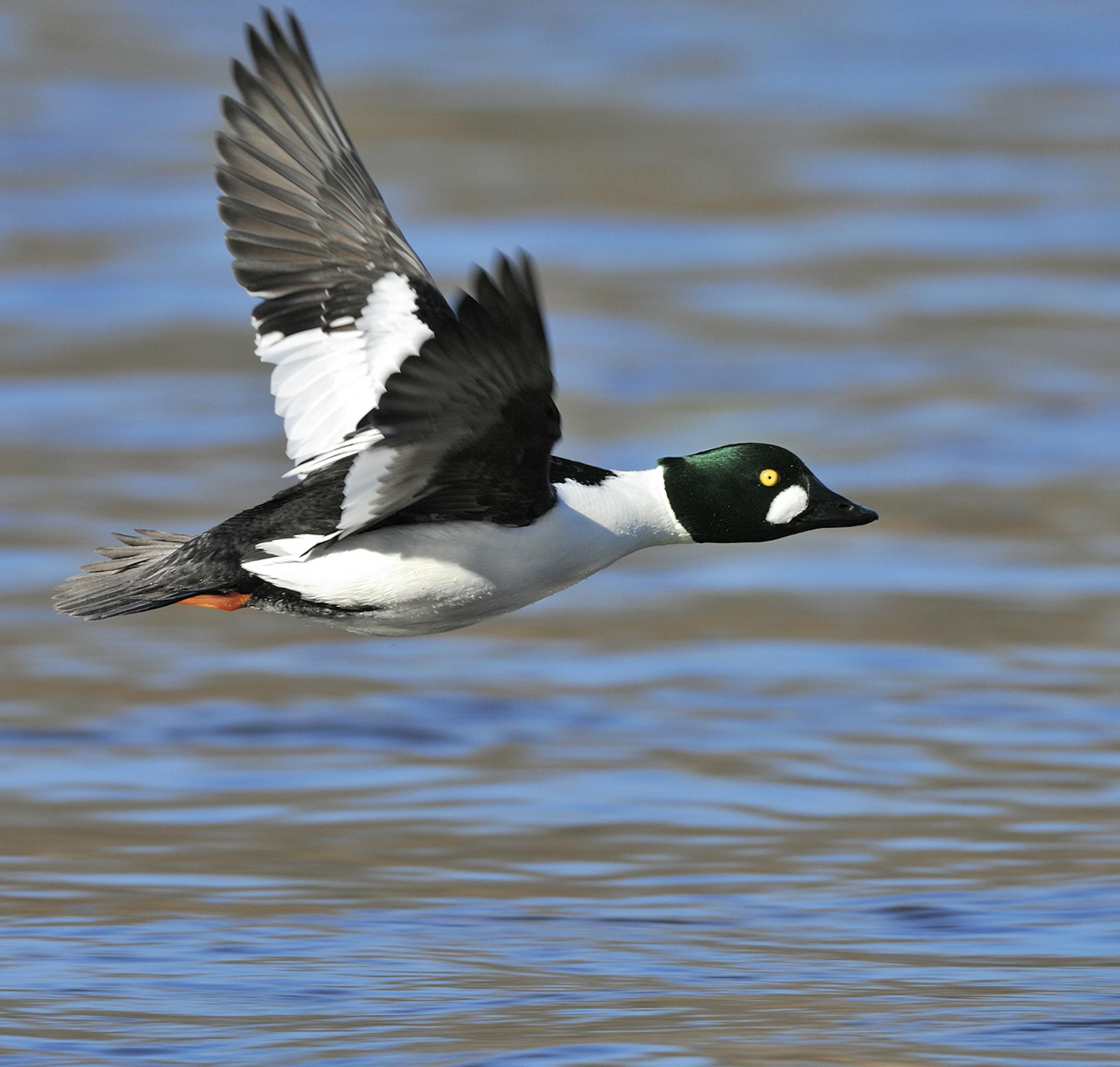
The first arrivals in Minnesota, common goldeneyes and common mergansers, sometimes show up as early as late January. You might have seen them scrounging for food in areas of open water below river dams. With more pockets of open water (places like the Mississippi River) come more migrating birds. Mallards and Canada geese will show.
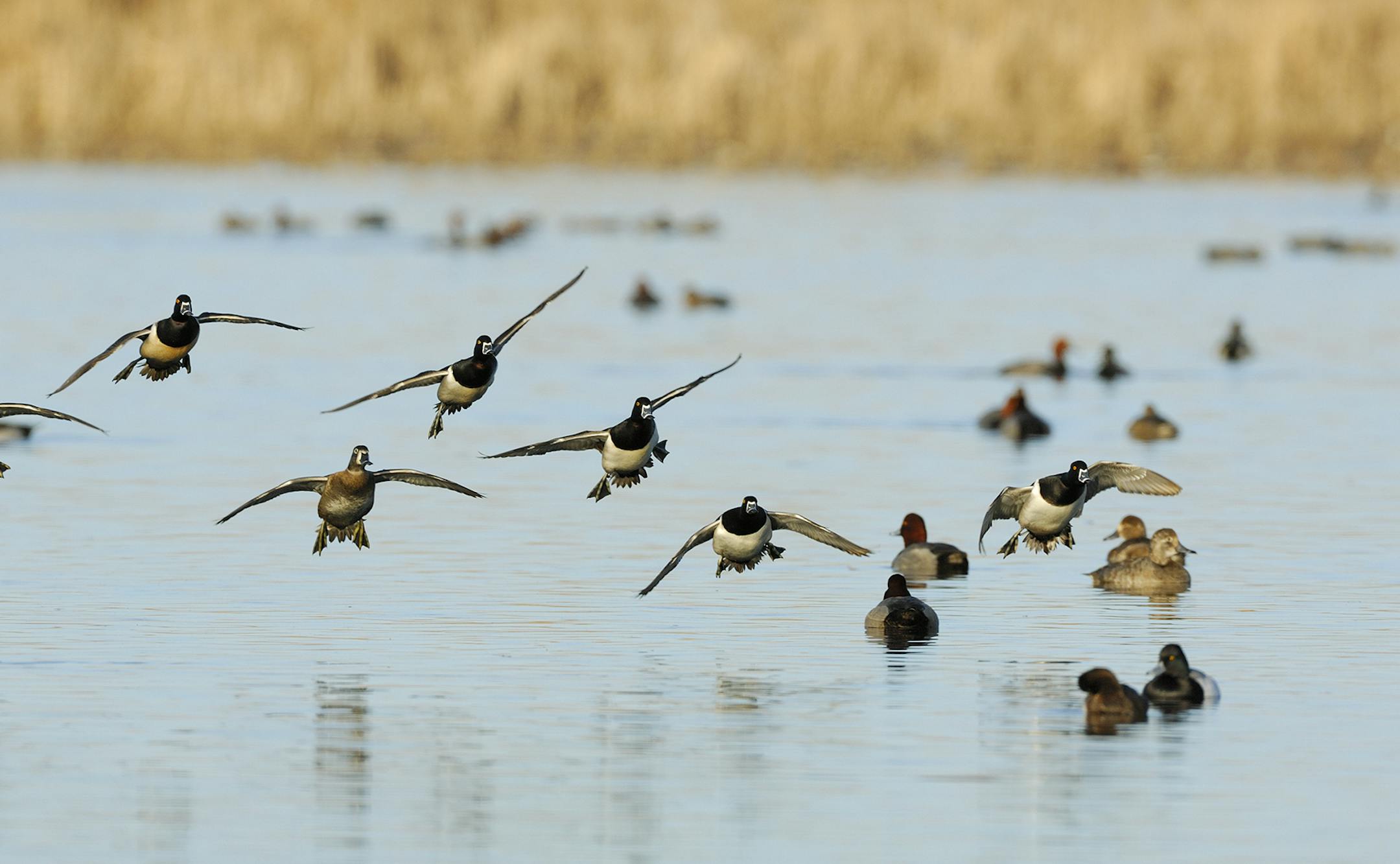
Then, as the marshes become ice free, even more waterfowl species arrive. Roughly 20 species can be spotted if the timing and conditions are right.
Something else brings in the birds: Along with spring comes a resurgence of insects and new plant life here in the North. Waterfowl depend on these readily available food sources to gain weight so they can raise their families.
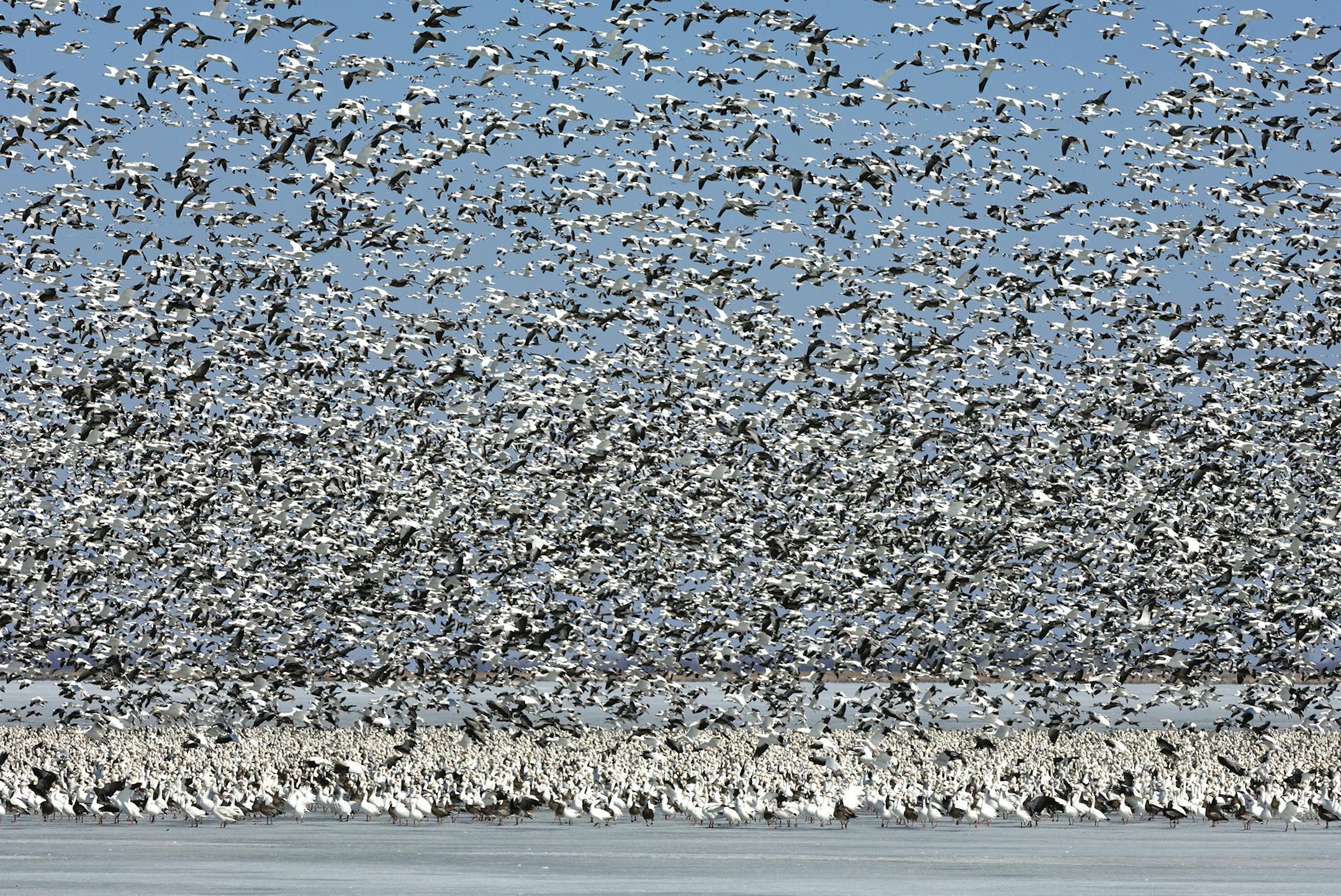
Spring migration speaks only of the more obvious birds for some people — generally waterfowl. In particular, geese. Geese migrate day or night when the weather is stable and winds are southerly. We watch as V-formations pass, and listen to the birds' insistent honking, apparently urging each other along. They gather on lakes and marshes in swarms at dawn and dusk to thrill both hunter and birder.
With our heads cocked, we search the sky and wonder, "How do they find their way?" Research suggests that birds use celestial navigation, as well as the Earth's magnetic field and topographic features as guides.
Even immature birds on their first trip back north carry some sort of genetically programmed "maps" passed down by their parents. They need them. Migration is a difficult task for birds; the obstacles numerous. Many migrating birds are killed by striking tall buildings and towers, particularly during bad weather. Storms, predators and the availability of food are other challenges.