![Dave Schmidt is a graduate of the Minnesota Master Naturalist program.] His expertise lies with "Big Woods, Big Rivers" as well as "North Woods, Great Lakes." He is standing on a giant map of the metro Mississippi river system.] Richard Tsong-Taatarii/rtsong-taatarii@startribune.com](https://arc.stimg.co/startribunemedia/5KWHAJ4Z45XY3K3AJVBONXPB7E.jpg?&w=1080)
As Amtrak's Empire Builder train clatters down the tracks from St. Paul into southern Minnesota's bluff country and beyond, riders can amble up to the lounge car for a natural history lesson on the beautiful landscapes unspooling outside the windows.
Volunteer master naturalists such as David Schmidt of Inver Grove Heights hop aboard to tell passengers more about what they'll see — from bluffs topped with goat prairies to Ice Age Trails and the distinctive topography of Wisconsin's driftless area. On behalf of the National Park Service, Schmidt and his fellow volunteers can even help the youngest passengers earn Junior Ranger badges without leaving the train.
"There are plenty of opportunities," said Schmidt, one of more than 1,840 people across the state who've completed Minnesota's Master Naturalist courses offered jointly by the University of Minnesota and Department of Natural Resources.
The Minnesota Master Naturalist program was founded in 2005. Like the longer-established master gardener program, it's a way to train passionate learners who are willing to go forth and share their knowledge with the general public. In exchange for $275, budding naturalists are given 40 hours of classroom training, books and hands-on field trips (scholarships are available for those who can't afford the course fee). Each course offers in-depth schooling on Minnesota's three main biomes: southeastern Minnesota's "Big Woods and Big Rivers," southern and central Minnesota's "Prairies and Potholes," and northern Minnesota's "Northwoods and Great Lakes."
"There are always a lot of people who want to get into the classes," said Amy Rager, program director for the Master Naturalist Program through the University of Minnesota Extension Service. Classes are spread throughout the state and usually take place within their designated biomes. The exception is Anoka-Ramsey Community College, where classes are offered to cover all three biomes. But these classes are part of the college's biology curriculum with only six spots reserved for master naturalists vs. the typical 22 slots in designated master naturalist courses. This means the Anoka-Ramsey classes typically fill the fastest.
Minnesota modeled its master naturalist program after well-established ones in Florida and Texas, borrowing practices from both states but making adjustments to match the specific culture and landscapes of Minnesota. The program began modestly, with a mere 20 graduates its first year. So far in 2015, there are already four classes being offered with spaces for 22 students apiece, making the new year an ideal time to register for a course.
Into the field
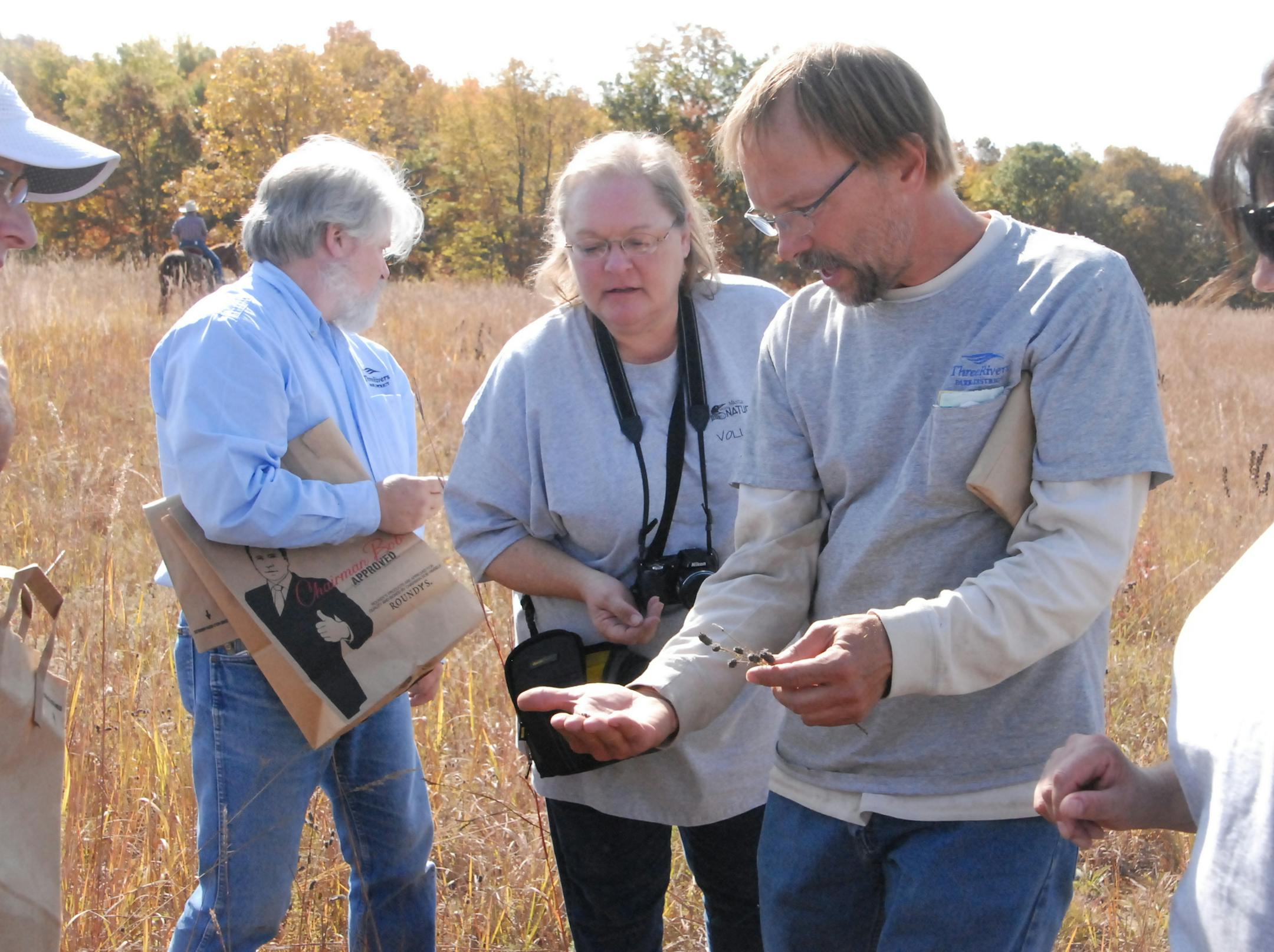
Once they've completed their coursework, master naturalists are matched with volunteer opportunities according to their interests, talents and locations within the state.