

You've heard that famous quote from Benjamin Franklin about the certainty of death and taxes? Knowing that he dabbled in botany along with other scientific pursuits, I'll bet if he were alive today, he would add dandelions to that list. Taraxacum officinale, better known as the common dandelion, was already taking hold in America by the time he uttered those words.
You can be sure winter is truly over once you see their sunny yellow heads popping up in lawns around your neighborhood. Some people will groan at the sight, but I find them kind of cheerful. In a society suffering from plant blindness, they are one of a handful of plants that almost everyone can identify, and yet millions are spent on ridding them from our yards.
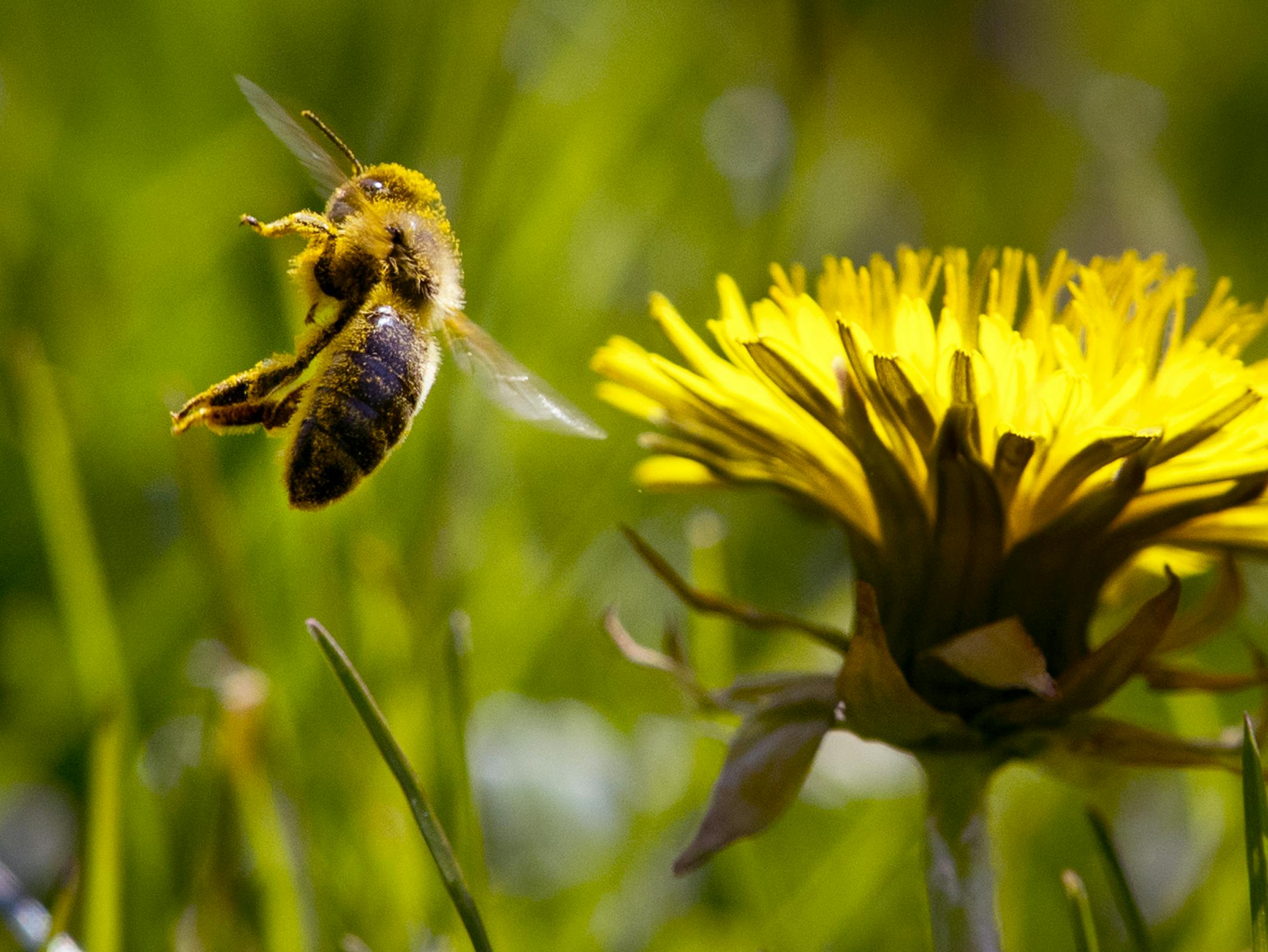
Maybe it's time to think better of the plucky little flower. Dandelions are an important first source of nectar for pollinators, most notably for our native bumblebees that emerge in early spring, hungry for food to fuel their nesting and reproductive needs. Minnesota gardeners are understandably shy about planting for spring blooms; with late freezes and fickle weather patterns it's risky business. Dandelions help fill this void, and they're free.
The dandelion's medicinal powers were well known as far back as ancient Rome; however the name comes from the French for lion's tooth, inspired by the serrated leaves. It was also known as pis-en-lit, literally "wet the bed," due to its diuretic qualities as a spring tonic.
The seeds found their way to the New World in pockets and pants cuffs. For colonists in a strange new land, the familiar dandelion was like an apothecary all in one plant — the leaf, flower and root used to treat a litany of ailments afflicting the heart, liver and digestive system.
Today the bitter "weed" is being rediscovered as a tasty and healthful addition to our meals. It contains fiber, vitamin C and K, as well as folate and other minerals. Just like kale or arugula, you can sauté the leaves in olive oil with a little garlic, maybe some onions, and a few chili flakes. It's a nice counterpoint to rich meat dishes. Or you can toss a few raw leaves in salads or soups. Be sure to harvest the newer tender leaves for the best taste and texture. Avoid plants that may have been sprayed with herbicide.
Dandelion wine isn't just a song title; it's a real thing. My husband loves to tell the story of how as a child he collected buckets of the blossoms for a pair of elderly winemaking ladies who lived nearby.
Still want to get rid of them?


