

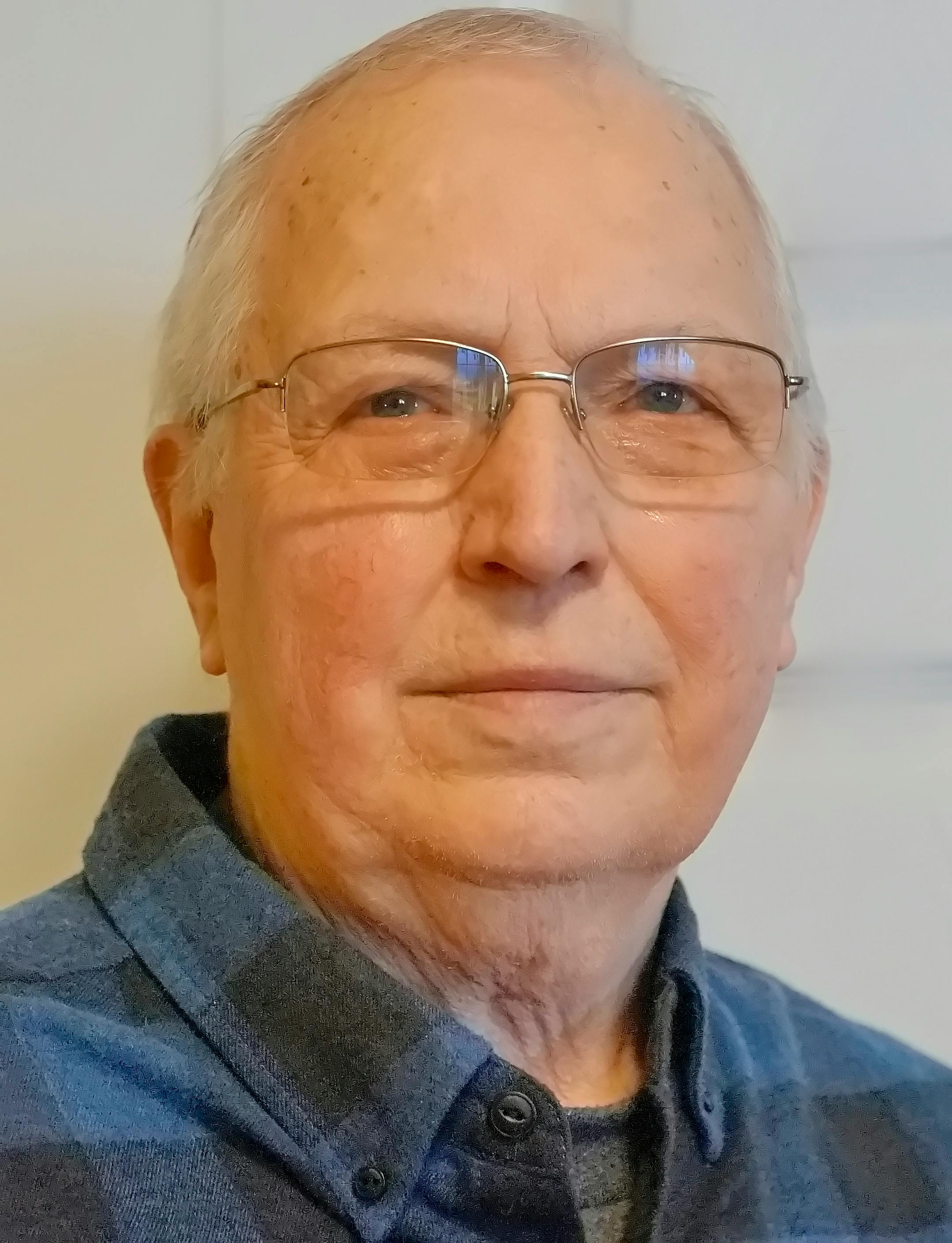
The first diagnosis came not long after Gary Harris retired. He and his wife, Sharon, had recently moved from the Twin Cities to the Brainerd Lakes area, looking forward to relaxed lake living. Then his doctor found a lump on his prostate. He underwent surgery, which seemed to eliminate it. But it came back. What followed was about a decade of fear and grueling treatments. Harris, now 79, has been in remission for about five years. The experience inspired him to publish a book, establish a support group and found a tax-deductible charity, the Lakes Prostate Cancer Fund (LPCF) (lpcfund.org), through the Essentia Health-St. Joseph's Foundation. The fund promotes public awareness and provides non-medical funds to men in treatment with prostate cancer in areas served by Essentia Health.
Q: Could you describe your prostate cancer journey?
A: When I was diagnosed, I had no clue what prostate cancer was except that it was "an old man's disease." I underwent surgery for removal of the prostate and lymph nodes surrounding it. All were confident that the cancer was contained in the removed organs, and subsequent quarterly testing boosted my confidence. But three years later, tests showed the cancer was metastatic, or had reached the bloodstream prior to the surgical removal, and had found a home in other parts of my body. It looked as if I might not make it to Christmas. After five months of aggressive chemotherapy, scans showed all of the cancer was gone. The quarterly testing continued. A year or so later another small tumor was discovered in my lower pelvic area and I underwent more radiation therapy. These treatments were successful and I've now been in remission for about five years and have continued scans and testing every six months. To date I have had close to 30 scans.
Q: How has all of this affected your physical and mental health?
A: I received hormonal therapy for several years to decrease the amount of testosterone in my system, which prostate cancer thrives on. The side effects of all these treatments include extreme fatigue, hair loss, loss of senses including taste and smell, short and long-term loss of body functions, possible depression — but also a renewed love for my wife, Sharon, and a strengthened faith in Jesus Christ and God. After pondering why God had saved my life on multiple occasions, I realized I was to help other men possibly avoid what I had gone through.
Q: What goals do you have for your cancer fund, LPCF, and what goals have you accomplished?
A: Our goal is to reach every man we can that has a concern, is in treatment or has had prostate cancer. Men are by nature reluctant to talk about their health problems, especially involving urology. If men understand that one in eight will be diagnosed with prostate cancer — it's the second most common cancer in men — they might get checkups on a regular basis. We are accomplishing our goal of reaching men and have been able to guide a few with very serious conditions to advanced treatment. My book, "Man-Opause: My Continuing Battle with Metastatic Prostate Cancer," is distributed through the foundation, free of charge to anyone who requests it. Tax deductible gifts can be made directly at our website to aid our continuing work.
Q: How helpful are the support group sessions?


