

Opinion editor’s note: Star Tribune Opinion publishes a mix of national and local commentaries online and in print each day. To contribute, click here.
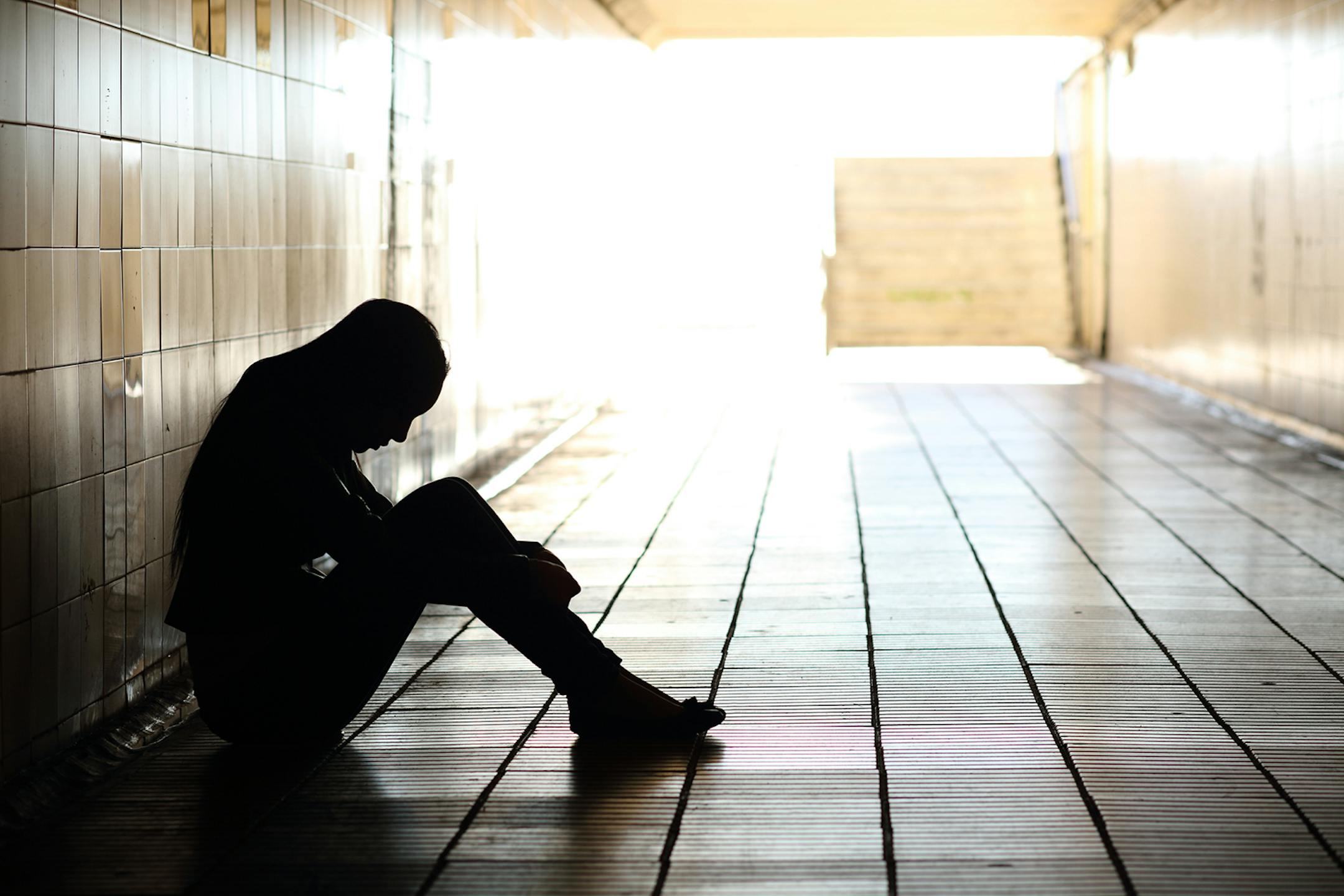
When you train as a hospital-based pediatrician, you anticipate and are prepared to care for children with a massive array of diagnoses from the utterly common to the ultra-rare. What you don’t expect are patients like Sarah, a child we have anonymized and combined from dozens of other patients.
Sarah is a healthy teenager with a grandparent who loves her and wants her at home. She does not need surgery or IV medications or help eating. Not a single nurse, doctor, social worker or therapist thinks she should be in the hospital. And Sarah doesn’t want to be here, either.
The problem is that Sarah has severe mental illness. She had a rough childhood, passed between caregivers who were unable to adequately care for her. Her grandmother recently got custody and is getting to know her bright, sarcastic, inquisitive grandchild. Sarah really wants to go back to school, her favorite class is math, “even though the teacher is a total nerd.”
But instead of school, Sarah is in the hospital. Her grandmother is very concerned for Sarah’s mental health. When they went to the pediatrician, they were referred to therapists and psychiatrists with monthslong waiting lists. In the meantime, Sarah is still suffering. When she is stressed, she harms herself. She bangs her head against the wall or cuts her wrists. Because of her untreated mental illness, she sometimes lashes out at her grandmother. They came to the ER because her grandmother didn’t feel safe keeping Sarah at home.
Sarah’s problems are not easily fixed in a short emergency stay in the hospital. It took years for her to develop to this point and it will take time and consistency for her to get better. She can’t access the outpatient or community resources she needs, and inpatient mental health units are meant to stabilize kids in acute crisis. We are frantically looking for a place where she can be safe and get appropriate mental health treatment.
But there is simply no place for her, so she waits. This young person is a victim of a society that is utterly failing her.
Sarah’s life in the hospital is bleak. Our staff do their best to fill her days, but even with trips to the play area, walks around the unit, visits from therapy dogs and dance parties, Sarah has hours and hours of empty time in her day. Boredom, irritability and staff shift changes are all triggers for Sarah’s self-harm. When Sarah tries to leave her hospital room, we direct her back. We try to avoid it, but sometimes we must use physical restraints so that she doesn’t hurt herself or others.


