

Minnesota lawmakers are taking aim at insurance scammers they say flock to the state because of legal loopholes that result in big cash payouts for bogus medical claims.
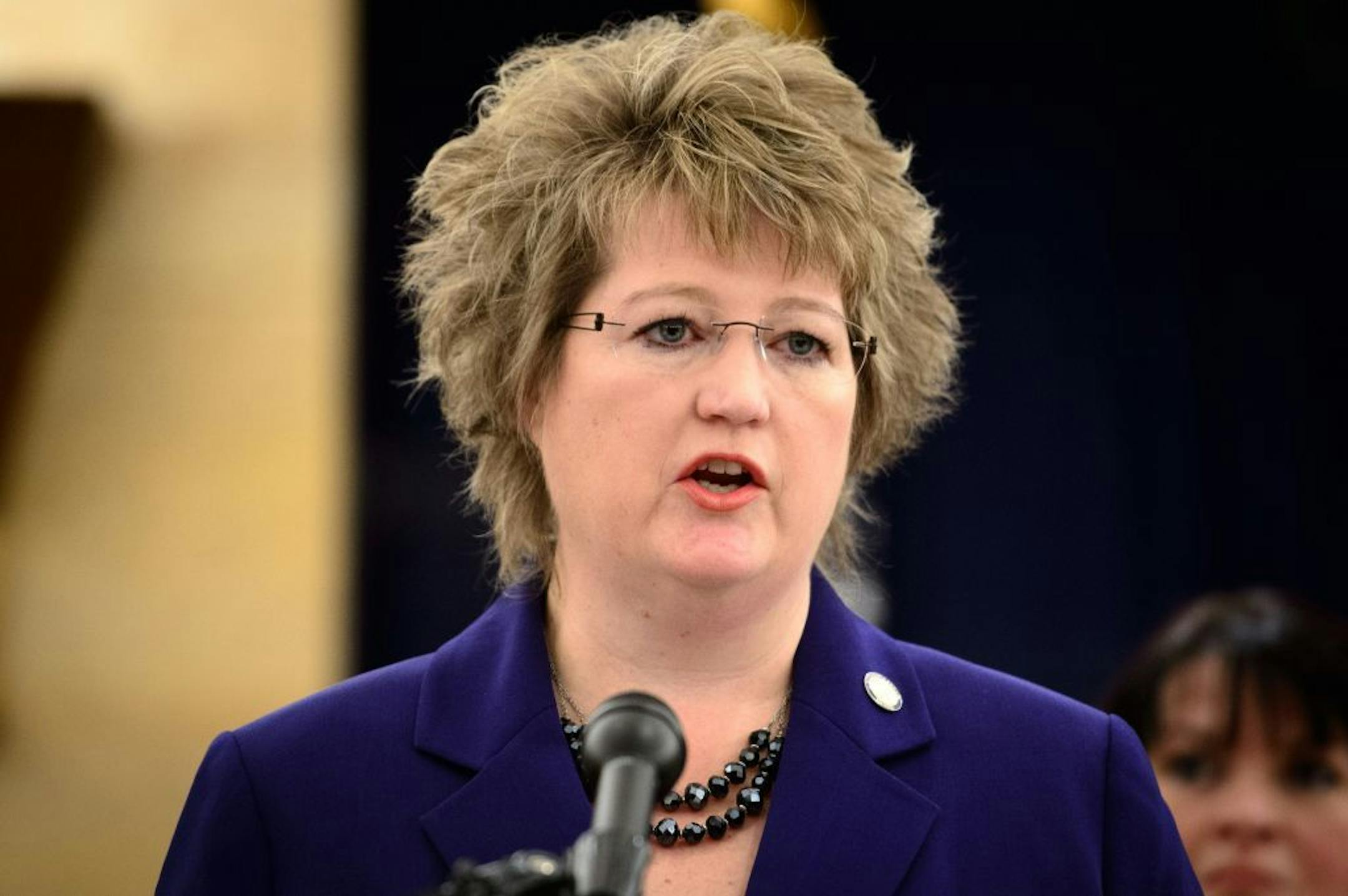
State Sen. Vicki Jensen, DFL-Owatonna and state Rep. Tim Sanders, R-Blaine, are teaming up on a bill that would beef up the state Commerce Department's anti-fraud unit and heavily fine those found guilty of insurance fraud. To curb solicitation of drivers who have been in accidents, the bill also would institute a 30-day "cooling off" period before accident reports can be accessed, with exceptions for the insured persons, news media and others.
The measure, backed by the insurance industry and law enforcement, is the latest attempt at insurance reform. Previous efforts attempted to ban the sale of accident reports to the public, allow insurers and law enforcement to share information about suspicious billers — a practice now limited by antitrust laws — or limit medical benefits for soft tissue injuries, such as sprains.
A coalition of personal injury attorneys opposes the measure, contending that insurance industry claims of widespread fraud are overblown.
Minnesota is one of nine no-fault insurance states, meaning that insured drivers, along with their passengers, receive up to $20,000 in medical benefits and lost wages, regardless of who caused the crash. Grifters work the system by staging accidents, then racking up injury claims to receive payments. Others solicit accident victims for pricey and unnecessary medical care, then overbill insurance companies.
In 2013 Minnesota received 1,700 questionable insurance claims, according to Tim Lynch, government affairs director for the National Insurance Crime Bureau (NICB), an insurance industry group. Lynch said that tighter regulations in other states are pushing thieves to less restrictive hospitable environments. "That's exactly what we're seeing here in Minnesota, where the face of fraud is replicated in the kinds of things we've seen in states such as Florida and New York," he said.
Jensen, who chairs a Senate Subcommittee on Insurance Reform, said broad bipartisan support could mean this year's outcome is different, and it's vitally important that reform takes place.
"There has to be some kind of deterrent for people who choose to go into this type of work. … We have to do this on behalf of consumers," she said.


