

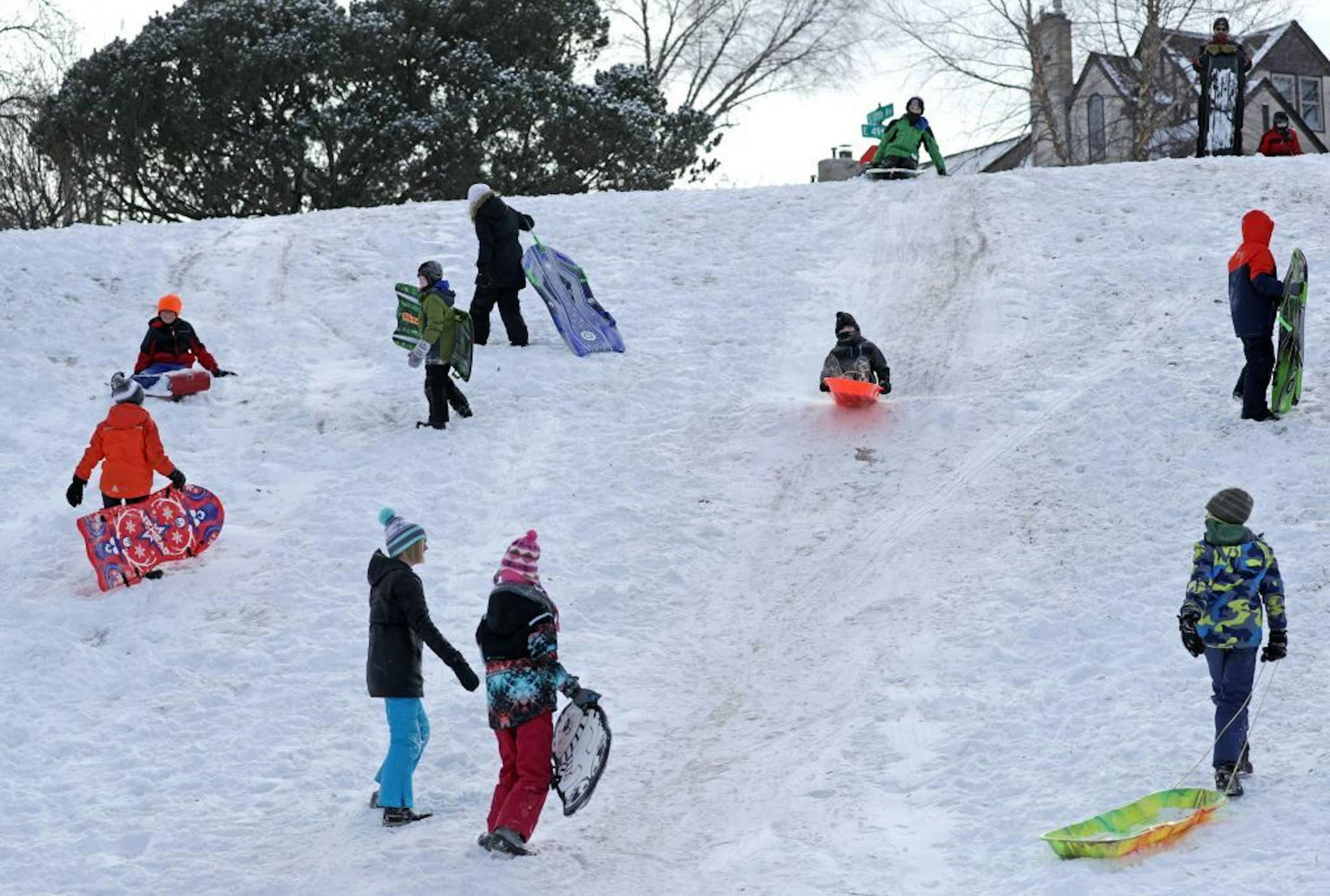
As Minnesota lawmakers debate whether to give schools relief from making up for this year's long list of weather-related cancellations, many of the state's school bus drivers, cafeteria workers, custodians and other hourly workers are worrying about their paychecks.
Unlike teachers and school administrators, who earn salaries and are paid even when snowstorms and frigid windchills close schools, school districts' armies of hourly employees typically go without pay when school is canceled. After a winter in which many districts shut down for six, eight or even 12 days, many of those workers are feeling financially pinched — and anxious that districts will shorten their school year without making up for the reduction in wages.
Before the run of snow days, Northfield educational assistant Carolyn Manderfeld was working three jobs to make ends meet. Now, to make up for pay lost to snow days, she's added a fourth job and is still worrying about making her mortgage payments.
"I had to dip into my savings [to pay] my taxes," she said, "and it's an ouch."
Both the state House and Senate have approved bills that would allow schools to count at least some of their snow days as instructional days, avoiding the need to add on to the school calendar to meet state requirements for instructional time. But the bills differ on some specifics.
The version approved by the House only applies to three days in late January when many districts canceled classes because of extreme temperatures. The Senate version is more expansive, allowing districts — with school board approval — to count other canceled days as instructional time.
Only the House bill addresses the question of pay for hourly employees. It includes a provision that requires that hourly employees, including contract workers like bus drivers, be compensated for the lost time or given the opportunity to make it up.
Speaking before the House voted 105-21 to approve the bill this week, Rep. Jim Davnie, D-Minneapolis, said lawmakers wanted to ensure that hourly school employers were "not treated unfairly."


