

Native and Indigenous women who for years have advocated for those who have vanished or been murdered are feeling fresh hope as the state is taking its first formal steps to combat the epidemic.
"It's a scary time to be an Indigenous woman," said Taysha Martineau, an Indigenous activist living on the Fond du Lac Reservation. "But with all of us working hard together, we've never been safer."
Minnesota's Missing and Murdered Indigenous Women Task Force released its report this week after 18 months of research and meetings with survivors, advocates, public health experts and tribal leaders.
The 164-page report on the disproportionate rates of violence that Indigenous women and girls face offers a local snapshot of an international, generations-old crisis that state Sen. Mary Kunesh said lays the groundwork for systemic change.
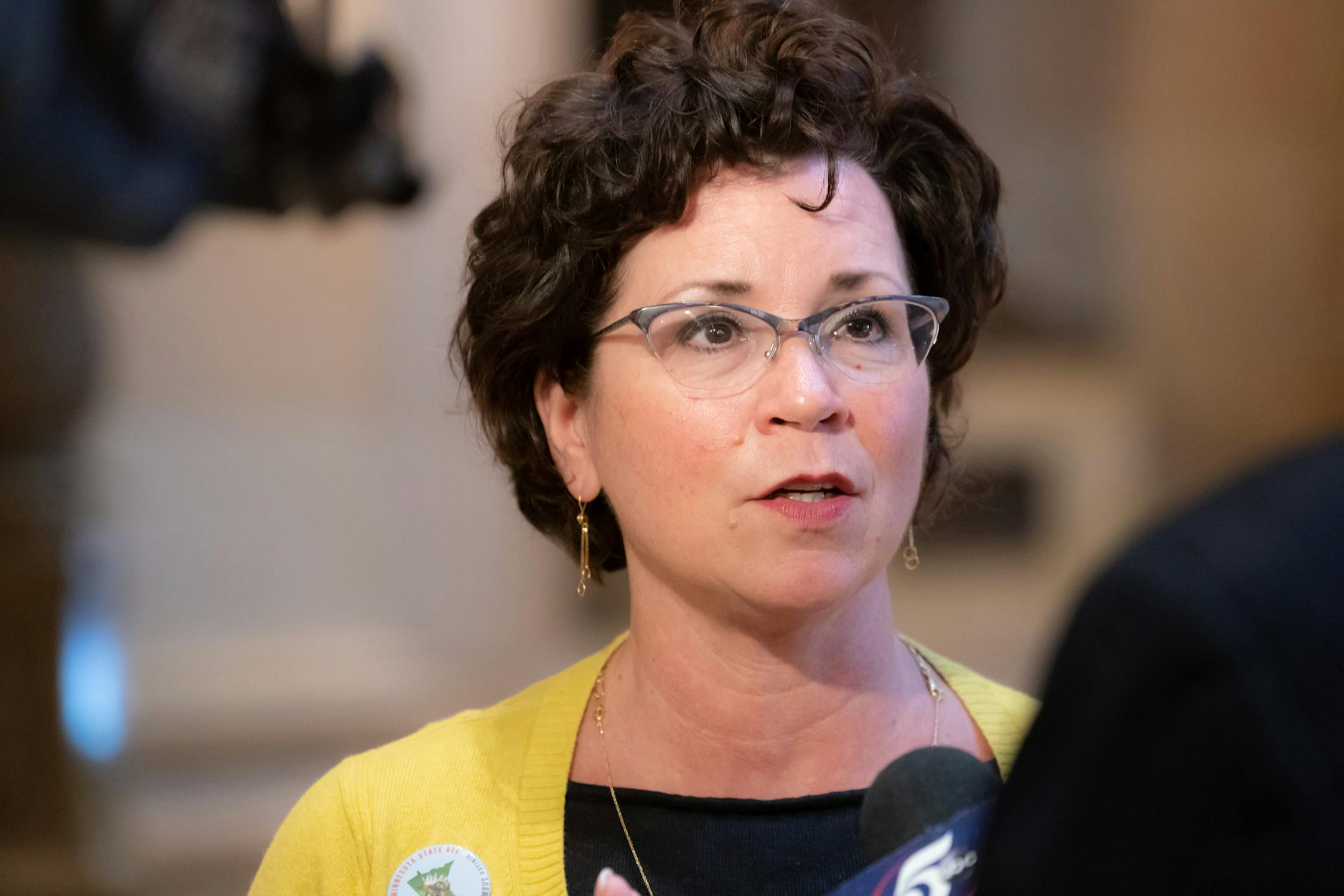
"We were able to pick it up and literally run with it," she said from her new office after winning her bid for Senate District 41 in November. "This is a miracle report and I'm so proud of it."
Kunesh has been aware of the epidemic of violence against Native American women her entire life. But it wasn't until 2017, after Savanna LaFontaine-Greywind was murdered by her neighbor in Fargo and Canada rolled out findings from a four-year study on violence against Indigenous women and girls, that she took political action.
"It had a very strong impact on me," said Kunesh, a DFLer and lead advocate for the creation of the task force.
But while the report makes clear the violence Indigenous women and girls face and presents steps to address it, the epidemic rages on.


