

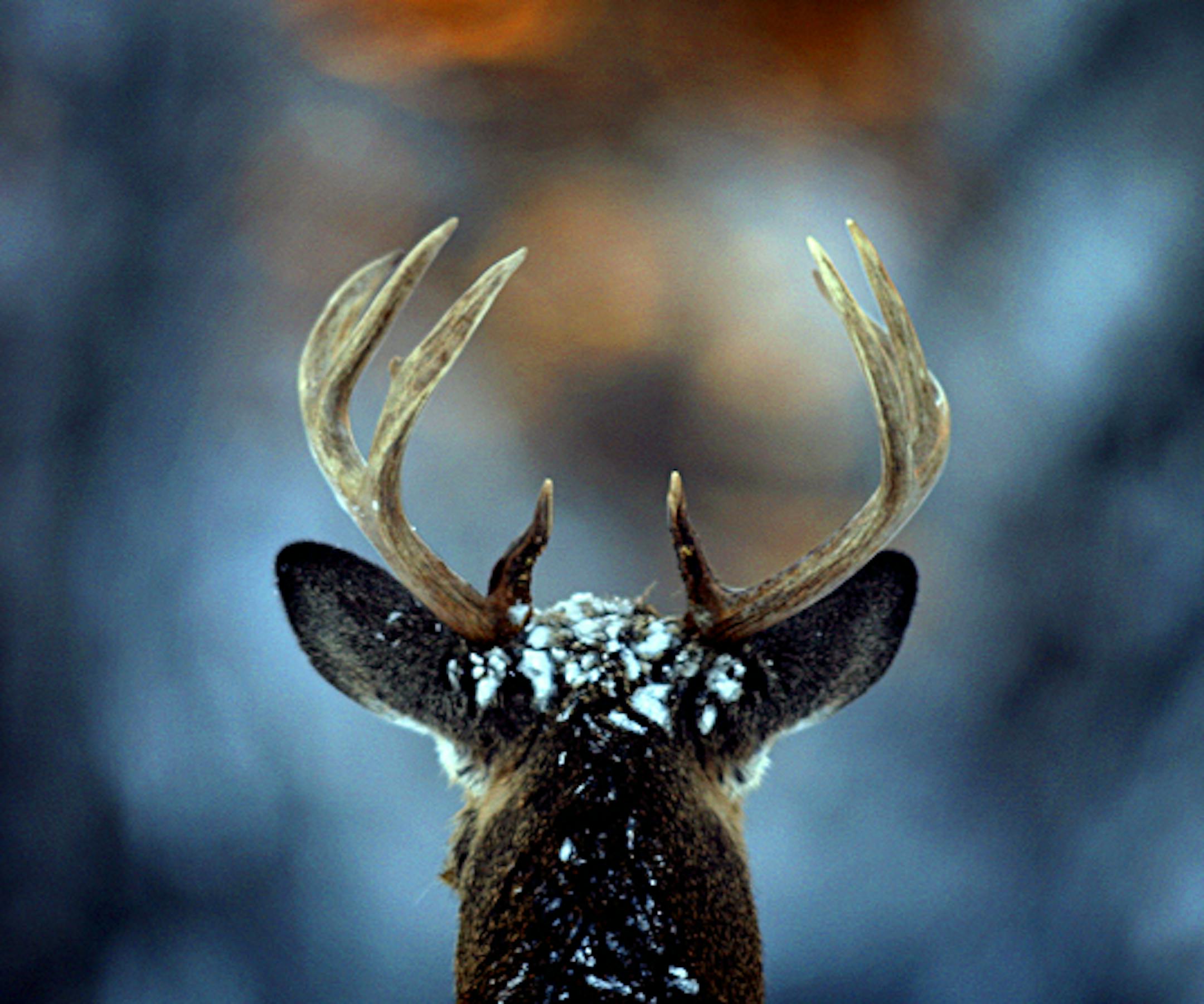
Minnesota's deer czar, Leslie McInenly, knows that for a lot of hunters there can never be enough deer.
"It's like me and chocolate,'' she said.
But as the state launches a three-year process to reset its deer population — the first in nearly a decade — deer hunters won't be the only ones at the table. There also will be white, red and jack pines, orchids and other wildflowers and all the species that depend on them.
The likely increased numbers of Minnesota's favorite game animal will come at the peril of the state's beloved pine trees and the native plants, insects and animals that live below them on the forest floor.
The state's deer population exploded starting in the late 1990s, and, due largely to recent harsh winters, has since declined somewhat. But study after study shows that browsing by overabundant deer herds is crushing the biodiversity of northern and eastern forests. The threat they pose, say some forest ecologists, is greater than climate change.
In areas around Bemidji and Park Rapids, forest experts are projecting sizable loss of jack pine stands — partly because deer eat the new growth. With jack pine, red pine and the majestic white pine, any meaningful regeneration is now dependent on planting by hand or aerial seeding on prepared sites. Anti-browsing protections for the tiny trees and the cost of replanting stands that get wiped out by deer have made the process less successful and more expensive.
It's a problem seen throughout the United States.
"We've already got more deer than the land can support," said Gary Alt, a wildlife biologist now based in California who reduced Pennsylvania's deer population to curtail the destruction of plant life that was harming that state's $7 billion forest industry.


