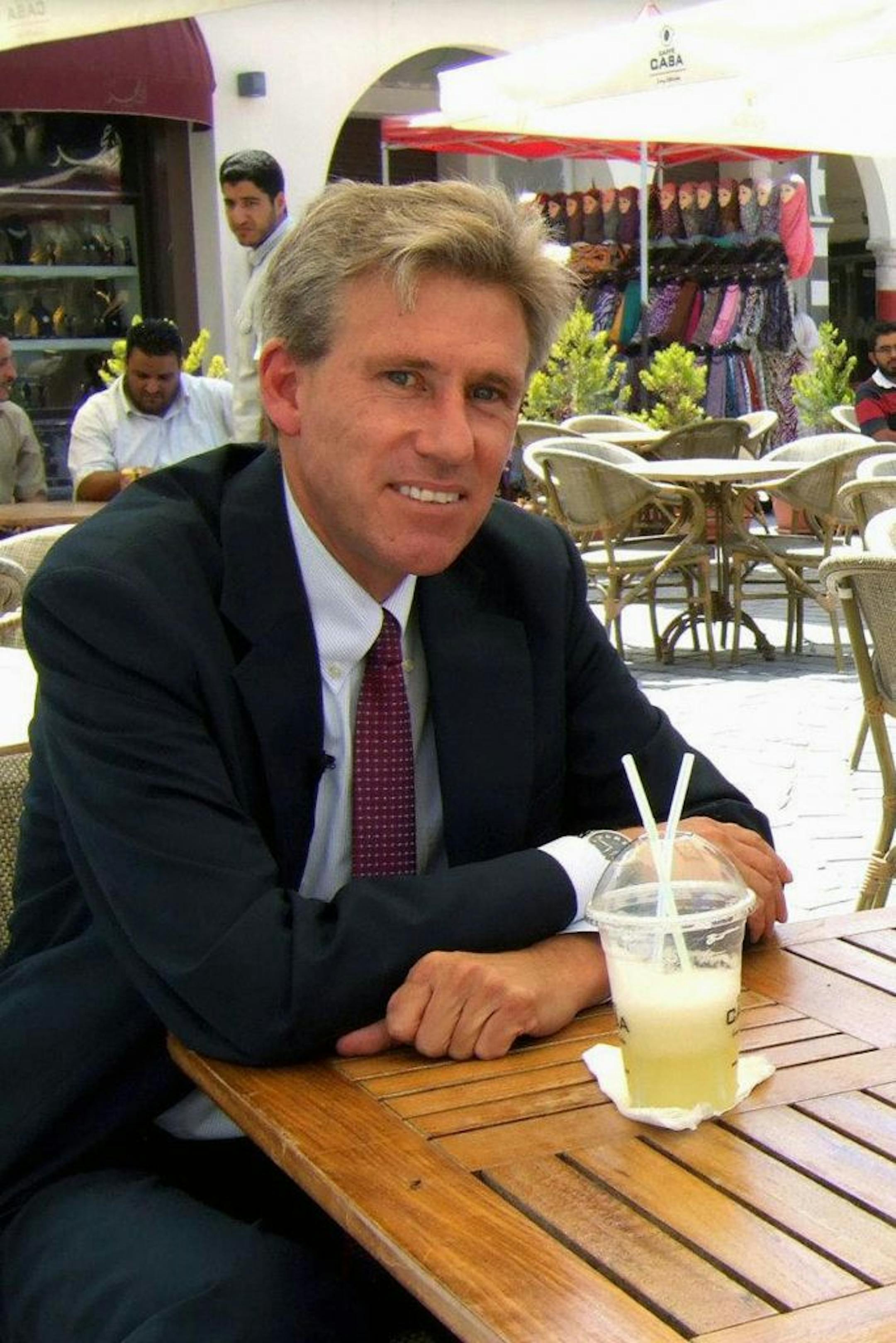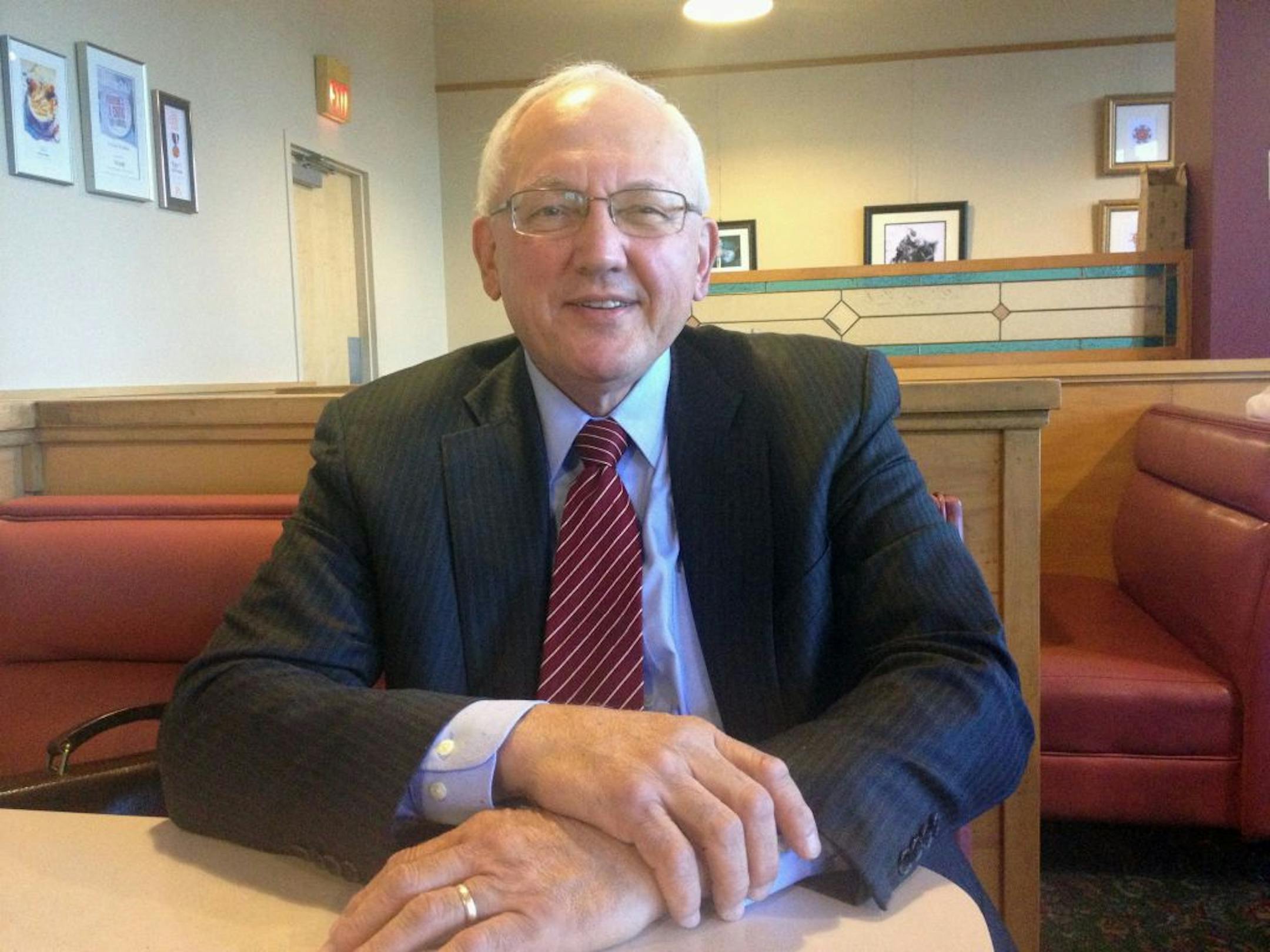
Three months before U.S. Ambassador Christopher Stevens died in the attack on the U.S. consulate in Benghazi, Libya, Minnesota Supreme Court Justice Paul Anderson paid a courtesy call to the U.S. Embassy in Tripoli.
Anderson was in Libya under the auspices of the American Bar Association to advise on rebuilding the country's justice system, and Stevens gave him a sobering security rundown. Still, the ambassador encouraged Anderson to get out and mingle with Libyans. The judge recalled noticing how little protection the embassy in Tripoli had compared with those in other restive countries he'd visited.
In a recent interview in St. Paul, Anderson said that he and Stevens, a lawyer by training, developed a quick rapport and spent more than an hour in a broad discussion that ran from constitutional law to the collapse of the police force in Libya. Stevens was well aware of the perils that surrounded him, Anderson said, but he was adamant that good diplomacy meant getting out of the fortress-like U.S. compounds that dot the Middle East.
"He was really upbeat, enthusiastic, about the potential for the future," Anderson said. "His optimism was almost tangible, but I don't think it was Pollyanna or rose-tinted. He knew the risks."
In Washington, debate over the Sept. 11 Benghazi attacks -- one on the consulate and another on the CIA station a mile away that left four Americans dead -- continues to rage, centered largely on whether the Obama administration and U.N. Ambassador Susan Rice attempted to mislead the public about what was known when she appeared on a series of Sunday morning TV talks shows five days later.
The partisan nature of the wrangling infuriates Anderson, who calls Stevens "an American hero" and who, in the immediate aftermath of the Benghazi attacks, wrote an essay for the Huffington Post website in which he defended Stevens for reaching out to Libyans in ways that were unconventional for U.S. envoys who more often are cloistered in heavily guarded compounds.
"He was not careless. He was not cavalier. He was realistic, but he made some very pragmatic decisions," Anderson said. "We will always have people who take risks on behalf of our country because they think it's worth it."
It was easy to feel welcome in Libya, Anderson recalled, despite signs of declining security. Just a week before his arrival in June, a disgruntled militia seized control of the Tripoli airport. But Anderson decided to stick with his plans, and he felt vindicated when the passenger next to him on the plane into Tripoli thanked him for U.S. support in the NATO intervention that was vital to the rebel victory over former leader Moammar Gadhafi.