

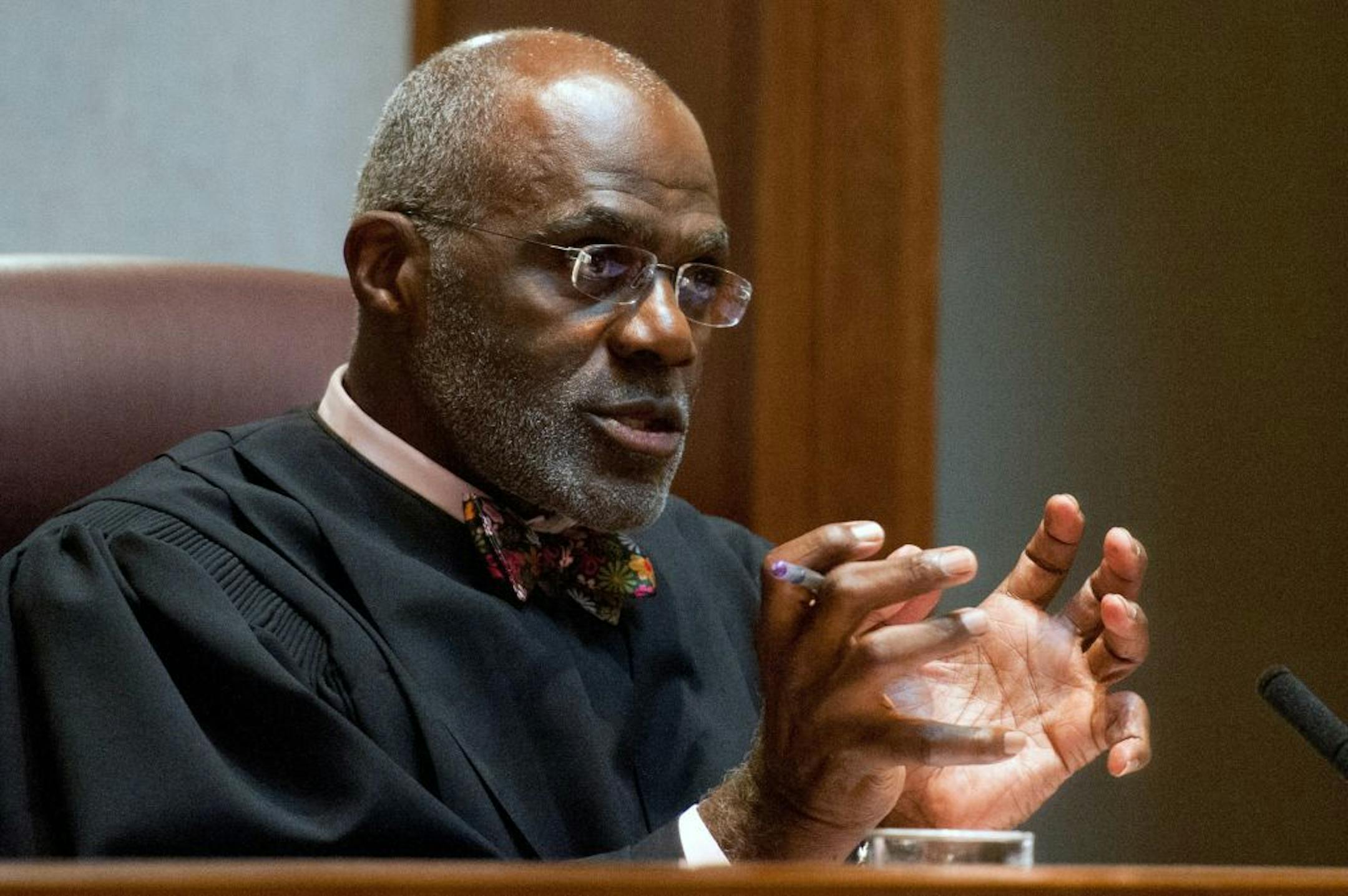
When Justice Alan Page isn't opining from Minnesota's most prestigious bench, the Hall of Fame football star makes thousands of dollars speaking about legal affairs and signing autographs at sports-card shows.
In 2012, that amount was $49,570.94, the most for any Minnesota Supreme Court justice or Court of Appeals judge.
Compensation for nonjudicial activities is legal and must be filed annually with the State Court Administrator's Office. But Minnesota is one of just a few states where the reports aren't available online and can only be viewed in person.
The Legislature recently toughened those disclosure requirements. Starting in January, new and reappointed judges at all levels will need to list investments, locally owned real estate and even involvement in horse racing, and the information will be made broadly public.
Not everybody in a black robe earns additional cash. Fewer than half of Minnesota's 26 Supreme and Appeals court justices and judges received extracurricular compensation in 2012, and for one judge, the grand total was a $25 gift card for speaking to the state bar association.
A Minnesota Supreme Court justice's annual salary is $151,820; a Court of Appeals judge earns $143,054.
"It certainly makes sense that those in judicial roles disclose sources of income beyond what they directly receive in salary," said Bert Kritzer, a law professor at the University of Minnesota.
This month, the Center for Public Integrity, based in Washington, D.C., evaluated disclosure rules nationwide for judges in the highest state courts. The overall level of disclosure in the 50 states and the District of Columbia was called poor, with 43 (including Minnesota) received failing grades.


