

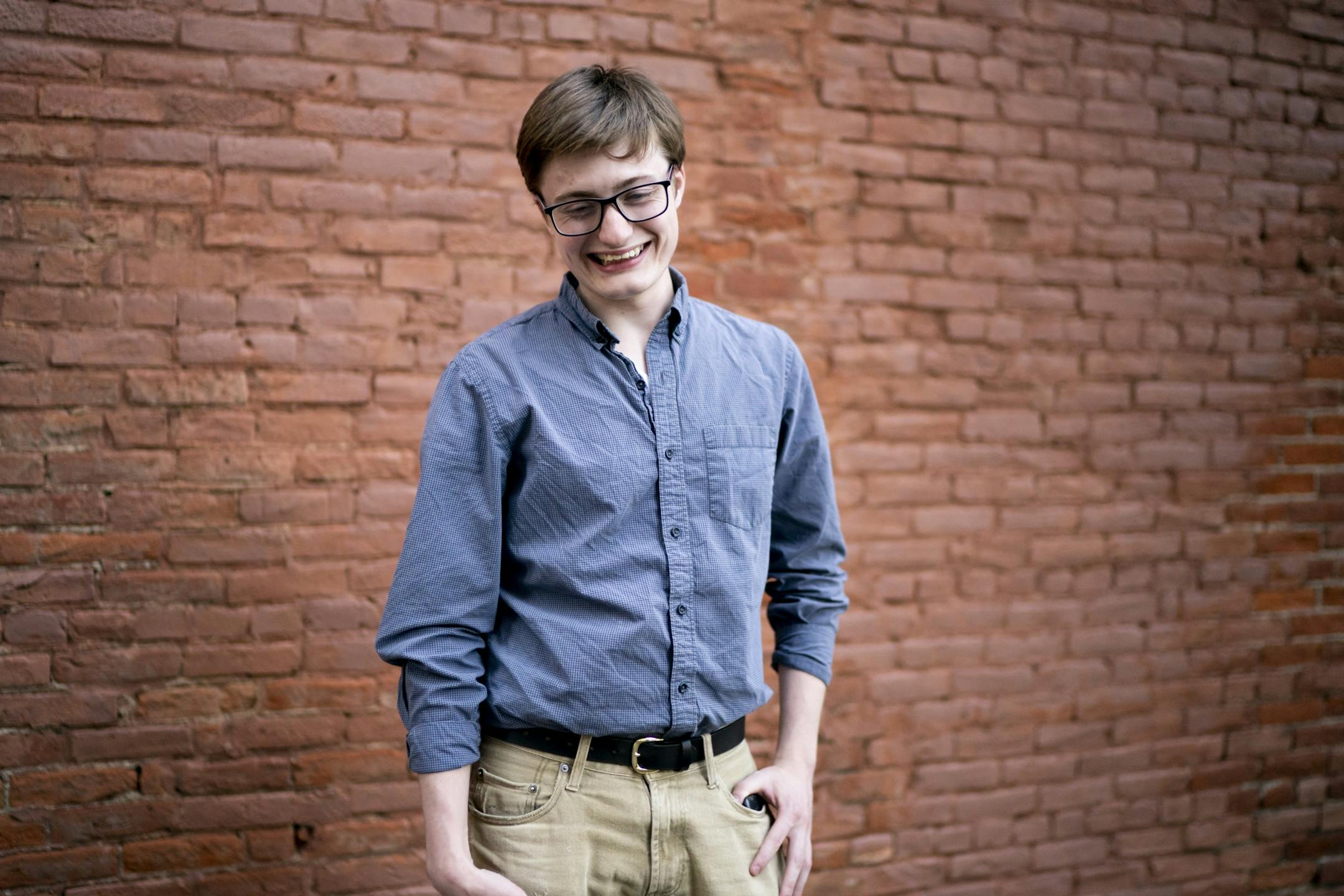
Facing a national shortage of older poll workers, Joshua Medley, a student at Normandale Community College, will join other young Minnesotans helping out at the polls on Nov. 3, meeting voters with a greeting and a mask.
"We need the polling places to be stocked, and to have people who can welcome in voters who may be new, may not be comfortable, or may come from a background or a culture that doesn't encourage them to vote as frequently," he said.
Medley, 21, is one of the 150,000 youth from around the country who have answered a call from states, cities and celebrities alike to become poll workers this election year.
He's had some practice working a 14-hour shift as an election judge in Minnesota's August primary, the state's first election since the start of the COVID-19 pandemic.
A Pew Research analysis showed that the majority of poll workers are ages 61 and older, a group that is at higher risk of succumbing to the coronavirus. Young people are much less likely to contract the virus — but are also historically less likely to become poll workers.
The pandemic has created multiple concerns for the 2020 election, including a surge in mail-in ballots, slower mail delivery, and public health protocols at in-person polling places. That has led to staffing problems.
The state of Minnesota needs 30,000 poll workers each year. But that is a group that is disproportionately made up of seniors and retirees, Secretary of State Steve Simon said.
"We have evidence that some portion of them are hanging back this year and taking themselves out of the running. For that reason, we really need to replenish their ranks with people of all ages, so that we still have the 30,000 well-trained people that we need in the polling places," Simon said.


