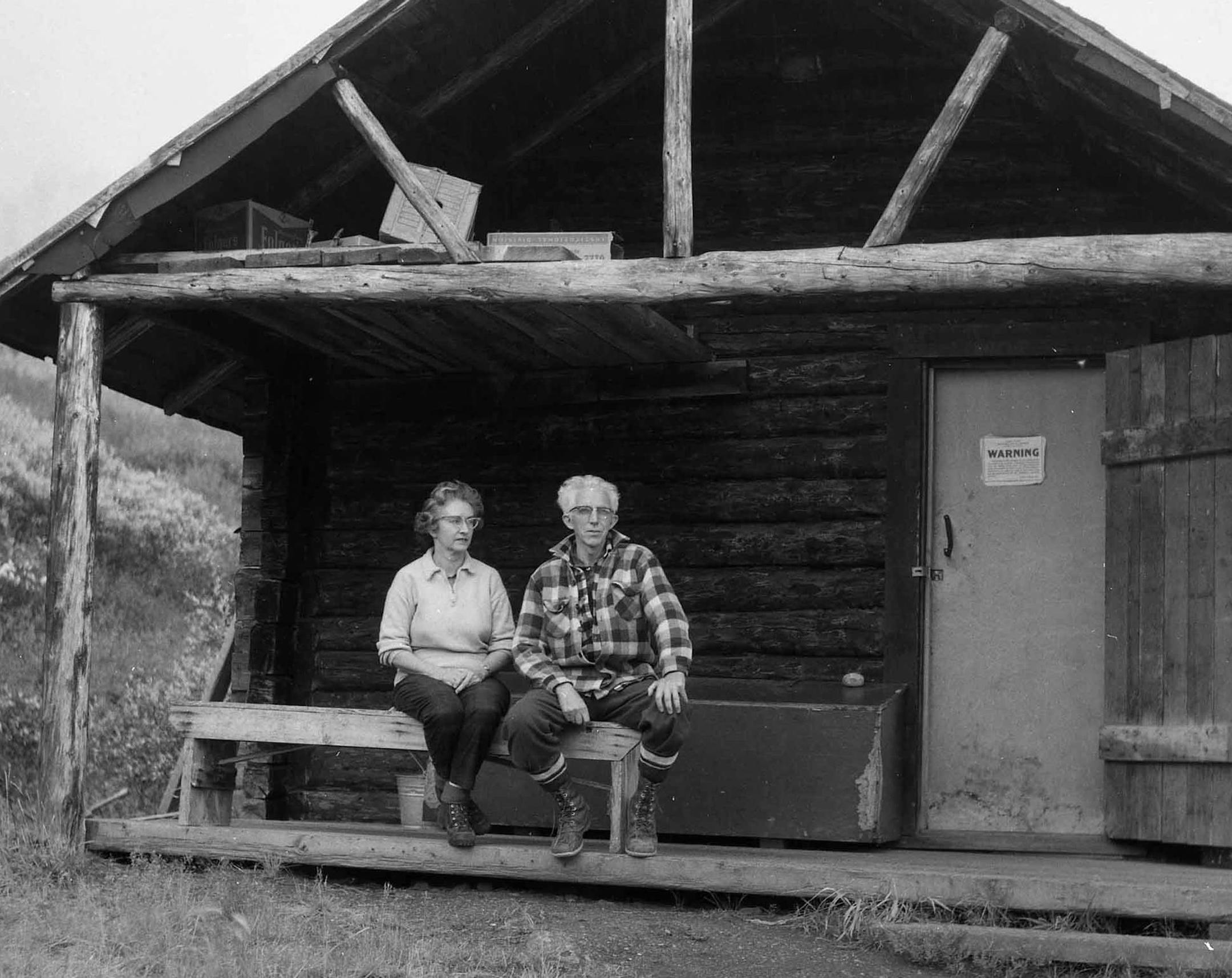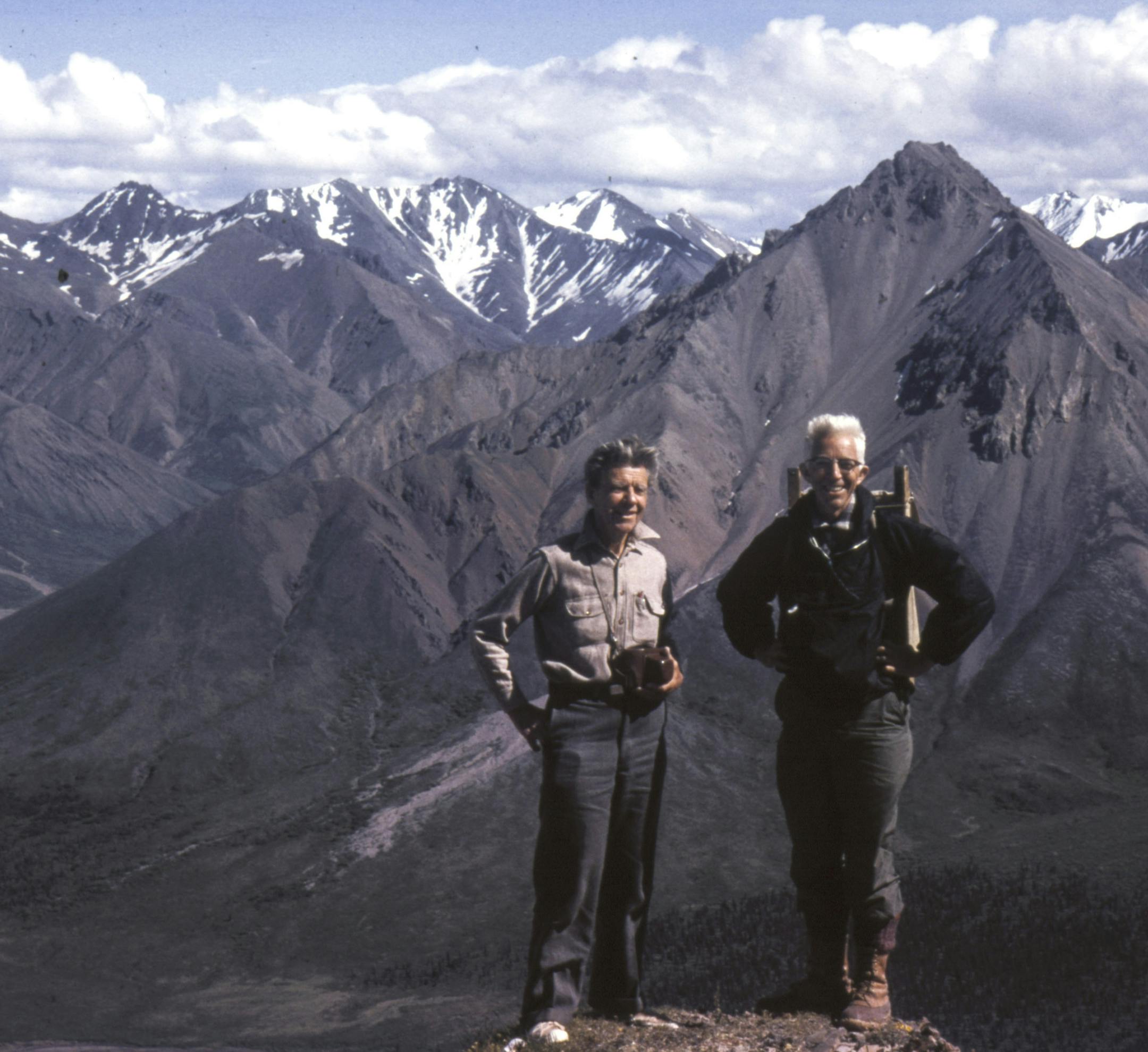
Inspired by their childhood adventures on the windswept Minnesota prairie, two brothers grew to be internationally known naturalists and nature writers. Together with their wives — who were sisters and equal partners in the environmental work — the foursome became influential in causes including the Wilderness Act of 1964 and the Arctic National Wildlife Refuge, and their work took them around the world.
Olaus and Adolph "Ade" Murie were born in Moorhead 10 years apart to different fathers at the tail of the 19th century. Their mother, Marie, suffered three children not surviving infancy and her two spouses dying before Olaus was 9. She raised the two boys and a third son on her own.
A work ethic and love of the land not uncommon to Norwegian immigrants led the boys to become the only two brothers to win the prestigious John Burroughs Medal for the best nature writing of the year (Olaus in 1955 for illustrations, Ade in 1963 for writing).
The expanse of late 19th-century prairie beyond Moorhead became their childhood playground. They built a leaky canoe with barrel staves and flour sacks and paddled the Red River of the north.
"Many of us who travel in wilderness have not been burdened by large bank accounts," Olaus recalled.
Meanwhile, a half-continent away, two girls born nine years apart to different fathers were raised in a two-room log cabin at the edge of Fairbanks, Alaska. Margaret "Mardy" Thomas and Louise "Weezy" Gillette (their mother had divorced and remarried) could match Olaus and Ade rural hardship for rural hardship and rugged adventure for rugged adventure.
Mardy became the first woman to graduate from the University of Alaska, in 1924, and Weezy earned a botany degree from the University of Michigan, where the Murie brothers were awarded graduate degrees.
Ade gained fame for his study of wolves at Mount McKinley (now Denali), where he spent 25 summers with Weezy.